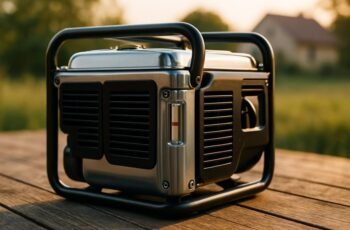
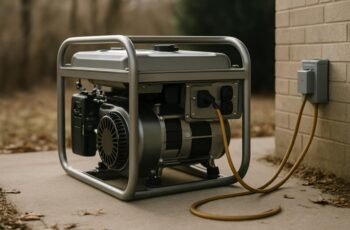
We know you want reliable power, but running a portable generator indoors or in a garage is unsafe and noncompliant due to carbon monoxide buildup. We’re here to explain exactly why this should be avoided and what safer, compliant options exist. We’ll outline outdoor-only use, proper placement, and practical backup choices, then explain how to design an area that protects your household. Keep in mind the risks, because the right setup matters more than shortcuts.
Key Takeaways
- Do not operate portable generators indoors, in a garage, or in any enclosed area due to deadly CO buildup.
- CO can accumulate quickly even with doors/windows open or alarms present.
- Outdoor, well-ventilated locations far from living areas are required for safe operation.
- If indoors or in a non-ventilated space is unavoidable, use alternatives like battery backups or vented outdoor setups.
- Always monitor for CO symptoms, use alarms, and pause operation to reassess ventilation and clearance.
Carbon Monoxide Risks and Why Indoors Is Unsafe
Yes, running a portable generator indoors or in a garage is dangerous due to carbon monoxide (CO) buildup. We warn readers that CO is an odorless, colorless toxin that rapidly impairs judgment, coordination, and respiration. In enclosed spaces, exhaust accumulates, reaching lethal concentrations without warning. We emphasize strict compliance with safety standards: never operate a generator indoors, in a garage, or in any enclosed area, even if doors are open or windows cracked. For reliable indoor safety, we recommend using outdoor, well-ventilated locations far from living areas, and employing CO alarms as an additional safeguard. We urge vigilance for symptoms like dizziness or headache and immediate evacuation if exposure is suspected. Prioritizing these precautions protects occupants and aligns with responsible generator use.
Outdoor-Only Use: Criteria and When It’s Required
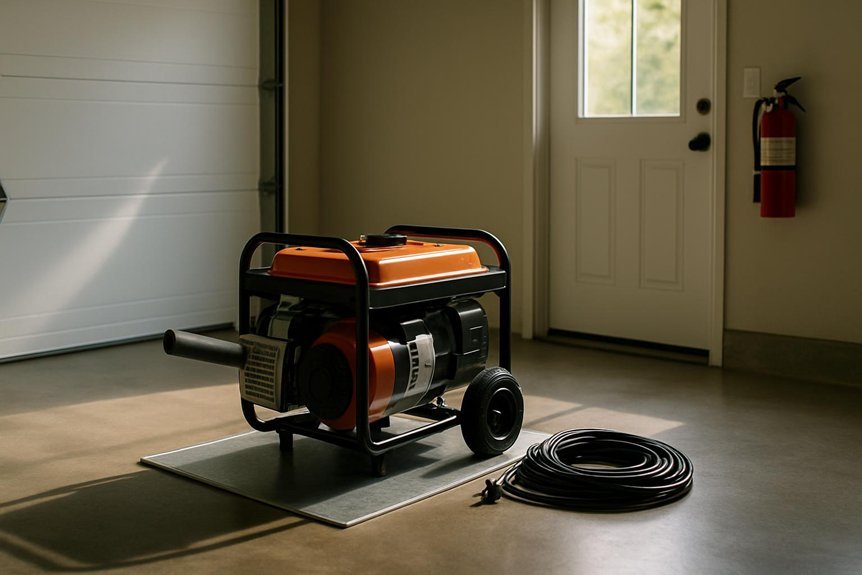
When is it essential to operate a portable generator outdoors? We insist that outdoor-only use is required whenever the generator emits exhaust, heat, or fuel vapors that could accumulate indoors. We outline strict criteria: operate only in open air, distante from doors, windows, and any air intake, and never in garages, crawlspaces, or covered porches. If conditions force proximity to occupied areas, pause use and reassess ventilation, clearance, and shielding. We emphasize indoors safety is never acceptable for generator operation, and CO risks remain present even with alarms. Follow manufacturer guidelines, local codes, and safety seals. In all scenarios, we prioritize minimizing exposure, ensuring proper exhaust dispersion, and maintaining fuel handling discipline. Compliance-minded decisions protect neighbors, pets, and occupants alike.
Safer Indoor Backup Options You Can Rely on
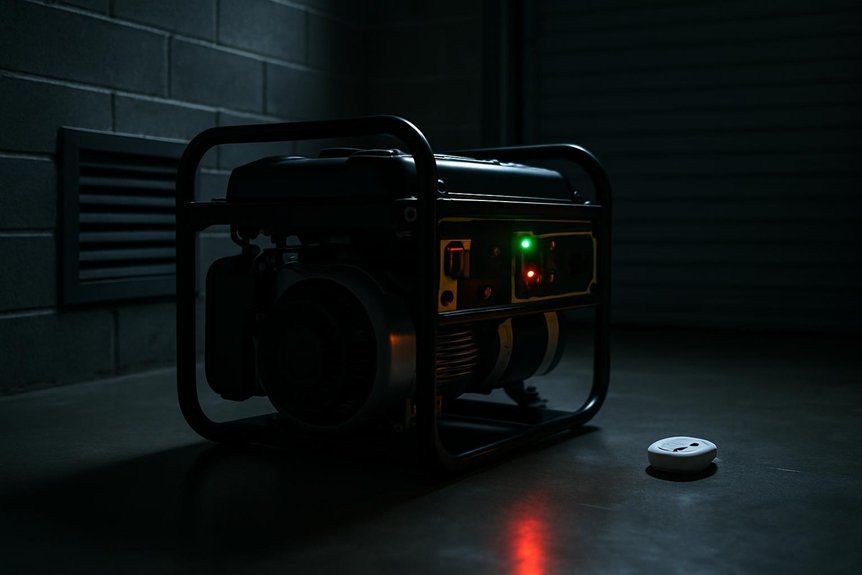
Safer indoor backup options we can rely on include equipment and practices designed to minimize carbon monoxide risk while maintaining essential power. We prioritize Indoor dangers awareness, CO exposure reduction, and clear Ventilation planning to prevent harm. We avoid relying on portable generators indoors and favor safer alternatives and well‑documented procedures. Our approach emphasizes Outdoor setup when possible and strict monitoring of air quality, alarms, and permitted use times. We Commission risk-based checks, proper detector placement, and trained operation to meet compliance expectations.
| Option | Reasoning |
|---|---|
| Battery backups | Quiet, no CO, reliable for essentials. |
| Inverter generators with vented exhaust outdoors | Minimizes CO risk while delivering stable power. |
Designing a Compliant Outdoor Generator Area
How do we design an outdoor generator area that meets safety standards and minimizes risk? We approach placement with clear rules and verifiable criteria, focusing on generator placement and noise mitigation to protect occupants and neighbors. A compliant area uses defined setbacks, dry substrate, and weather protection, plus accessible disconnects for maintenance. We monitor exhaust direction, ventilation, and fuel storage to reduce ignition risk. Our plan emphasizes consistent, documented procedures for use and storage.
Design an outdoor generator area with clear rules, safe setbacks, dry surfaces, and sound-dampening plans to protect occupants and neighbors.
- Establish setbacks from structures, openings, and ignition sources
- Define a stable, dry, and level surface with protective barriers
- Implement sound-dampening measures and routine noise assessment
Generator Safety Q&A: Common Questions and Fixes
Ever wondered about the best practices for portable generator safety and common fixes? We’ll tackle practical questions with concise, compliant answers that keep you secure and compliant. Common fixes center on proper generator placement, adequate ventilation, and securing cords and loads. We’ll address nuisance issues like voltage drops, surges, and fuel management, and provide action steps that reduce risk and improve power quality. Remember to follow manufacturer guidance, use outdoor-rated outlets, and monitor carbon monoxide risks. If a fix isn’t clear, pause and consult a professional.
| Imagery | Focus |
|---|---|
| Safe placement and airflow | generator placement |
| Clear sightlines and dry footing | power quality |
Frequently Asked Questions
Can a Generator Be Wired Into a Home Electrical System Temporarily?
We can’t permanently wire a generator into a home; it’s unsafe and non-compliant. Portable safety and electrical codes require a transfer switch and professional installation for temporary use, ensuring safe isolation and preventing backfeed. Use only approved methods.
Do Fuel Types Affect Generator Safety Indoors or in Garages?
Fact: incorrect fuel choices cause 20% of portable-generator fires. We insist that fuel type safety matters; indoors or in garages, we prioritize indoor ventilation and proper fuel handling to minimize risk and ensure compliance.
Are There Ventilation Guidelines for Enclosed Spaces Beyond CO Risks?
We’ll say: ventilation guidelines exist for enclosed spaces safety, and yes, follow strict limits on airflow, carbon monoxide monitoring, and room size whenever using generators indoors or in garages, ensuring continuous alertness and compliance with safety standards.
How Long Can a Portable Generator Operate Before Maintenance?
We can run the generator only for its recommended maintenance cadence—never exceeding manufacturer guidelines. We stay risk-aware: follow generator maintenance cadence precisely, and prioritize fuel storage safety to avoid issues during sustained operation. We’ll keep you compliant and informed.
Can I Use a Generator With a Carbon Monoxide Detector Nearby?
Yes, we can use a generator with a CO detector nearby, but prioritize proper generator placement and CO safety. Follow manufacturer guidance, keep detectors within recommended zones, and never indoors or in enclosed spaces; maintain ventilation and compliant clearances.
Conclusion
We can’t stress this enough: indoors isn’t a safe harbor for a portable generator. Carbon monoxide doesn’t respect doors or windows, it sneaks in like a thief in the night. Outdoors, in a well-ventilated area, is the only reliable shelter it has. If you must power through, prioritize safer backups and strict outdoor setups, with CO alarms watching over your shoulder. Let’s commit to compliance, clarity, and clear air for everyone, always.