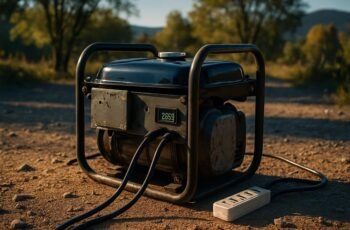
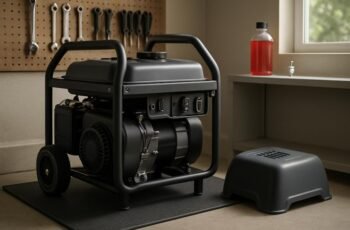
We’ll break down how a portable generator works by looking at the core flow: a compact engine converts fuel into mechanical motion, which drives an alternator to produce AC power. We couple precision timing, lubrication, and controlled fuel-air mix to keep operation smooth, while a regulator and breakers protect the output. We’ll cover sizing by watts, safe start/shutdown, and practical safeguards—then show how this setup holds up under outages, camping, or job sites, revealing where things can go wrong and why.
Key Takeaways
- A portable generator combines a small internal combustion engine with an alternator to convert fuel energy into electrical power.
- Fuel powers the engine, which drives the alternator to produce AC electricity for outlets.
- The system uses voltage regulators and breakers to maintain stable voltage and protect connected tools.
- Pre-start checks (surface, ventilation, oil level, fuel type) and proper shutdown procedures ensure safety and longevity.
- Sizing involves listing essential loads, adding a 20–25% margin, and choosing fuels (gasoline, propane, or dual-fuel) accordingly.
What a Portable Generator Is and How It Works
A portable generator is a compact, self-contained unit that combines an internal combustion engine with an alternator to produce electrical power on demand. We explain how it works by tracing energy flow: fuel converts to mechanical motion in the engine, which drives the alternator to generate electricity. We rely on a compact, sealed system that minimizes losses while delivering usable power through outlets suited to consumer loads. Portable fuel choices determine emissions, efficiency, and ignition timing, so selecting the right fuel class matters for reliability. Engine lubrication is essential to reduce wear, manage heat, and extend component life under varying loads. We emphasize startup, throttling, and load response to maintain voltage stability. In practice, maintenance routines keep this system dependable for field or temporary use.
Core Components: Engine, Alternator, and How Power Is Made
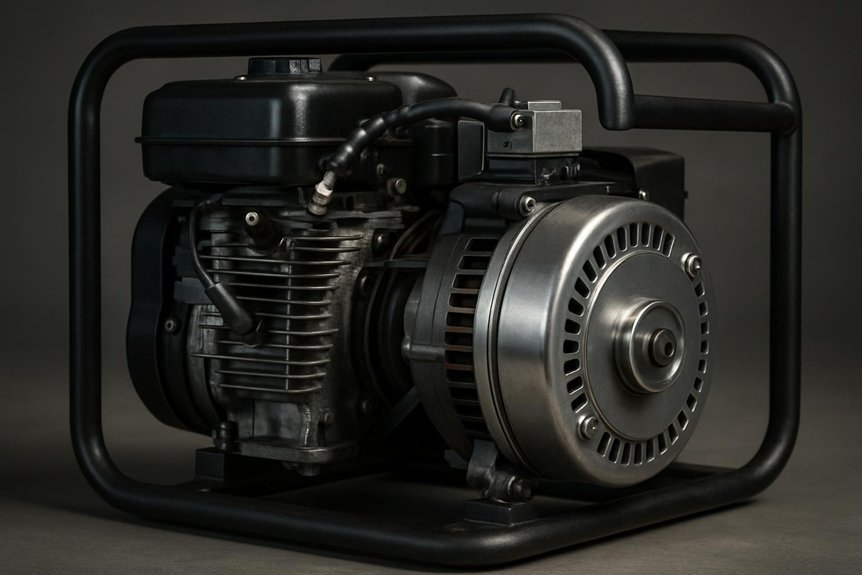
The core components—engine and alternator—form the backbone of a portable generator, with the engine converting fuel into mechanical motion that the alternator then transforms into electrical power.
We, as designers and operators, focus on how these parts interact to deliver reliable energy with minimal losses. Key details include maintaining precise timing, bearing health, and electrical output consistency.
- Engine tuning: timing, fuel-air mix, and compression adjustments to optimize torque and efficiency.
- Alternator bearings: proper lubrication, clearance, and alignment to reduce friction and wear.
- Power conversion flow: mechanical shaft motion → magnetic field → alternating current, with regulation to steady voltage.
Together, these elements determine efficiency, reliability, and service life in real-world usage.
Portable Fuel Options and Sizing by Watts
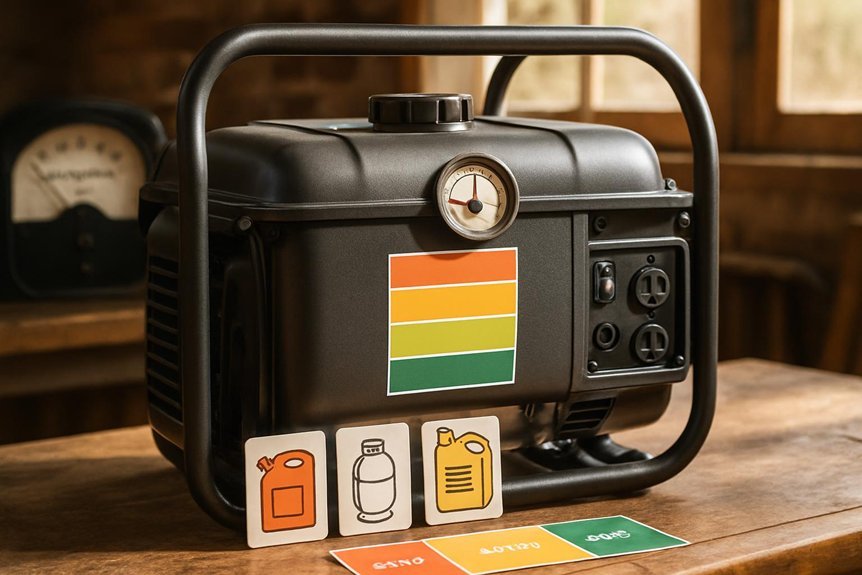
We’ll outline portable fuel options and how to size a generator by watts to meet your load. We’ll compare gasoline, propane, and dual-fuel choices, noting efficiency, availability, and startup considerations. We’ll then translate equipment wattage needs into a practical sizing guide so you can select a unit that covers your essential circuits with confidence.
Portable Fuel Options
Choosing the right portable fuel options hinges on runtime, wattage needs, and how you plan to use the generator. We compare fuels by energy density, availability, and impact on engine emissions and maintenance. We prioritize stable combustion and ramp behavior to protect sensitive loads. Below are practical options aligned with common use cases:
- Gasoline – high power density, broad availability, higher engine emissions without proper tuning.
- Dual-fuel (gasoline/propane) – flexible supply, cleaner burn with propane, requires additional hardware.
- Propane (LPG) – steady torque, long-term storage stability, lowest fuel-related engine emissions when burned cleanly.
Wattage Sizing Guides
What wattage sizing matters most is matching load expectations to available generator output and fuel strategy. We guide you through sizing by watts with a practical, methodical approach. First, list essential loads and their starting and running watts, noting surge requirements. Then select a generator that can handle continuous load plus a safety margin, typically 20–25%. Weigh portable fuel options against runtime needs; a larger unit with generous fuel economy often reduces refueling stops during outages. Separate critical circuits from nonessential ones to improve efficiency and limit overload risk. Address primary myths, such as “more watts always equal longer run time,” by focusing on duty cycle and fuel consumption at target loads. Finalize sizing by documenting expected peak and average loads, ensuring compatibility with available fuel strategy and maintenance planning.
Start, Run, and Shut Down Safely
Starting a portable generator safely requires a clear, methodical sequence: prepare the unit, verify safety conditions, and then start the engine with proper controls. We focus on disciplined operation: starting, running, and shutting down safely, with attention to portable fuel options and sizing by watts, so you choose the right unit and avoid overload. Our guidance stays precise and practical, avoiding fluff.
1) Pre-start checks: dry surfaces, ventilation, fuel type, oil level, choke, and lanyard/kill-switch readiness.
2) Start and run: engage controls smoothly, monitor oil pressure and temperature, throttle to load, and verify grounding.
3) Shutdown: idle, switch off loads, cut fuel, and cool before transport or storage.
We emphasize safe sequence, predictable behavior, and reliable power delivery.
Safeguards Explained: Voltage Regulators, Breakers, and Outlets
Safeguards like voltage regulators, breakers, and outlets are the backbone of safe portable power. We explain how each component maintains stability, protects equipment, and reduces risk during operation. Voltage regulators keep output within tight tolerances, preventing overvoltage that harms appliances or circuits. Breakers interrupt current during faults, minimizing fire hazards and electrical shock. Outlets provide grounded, weather-protected access points that match plug configurations and cord gauges. We align practices with safety regulations and emphasize correct sizing, grounding, and enclosure placement. Noise considerations are addressed by choosing regulators and breakers rated for smooth transitions and proper shielding. Table below summarizes roles and interactions.
| Function | Failure mode | Protective action |
|---|---|---|
| Voltage regulation | Overvoltage | Regulation to nominal |
| Breaker protection | Short circuit | Immediate trip |
| Outlet design | Ground fault | Grounding/covering |
Practical Uses: Outages, Camping, and Job Sites
We’ll outline practical uses for portable generators, focusing on outage backup power, camping convenience power, and job-site reliability. In outages, we provide immediate essential electricity to critical loads with safety-aware transfer and safe fuel management. For camping and work sites, we offer portable, dependable power that supports lighting, charging, and tool operation without complexity.
Outage Backup Power
During outages, a portable generator provides immediate, reliable back-up power for essential loads, keeping lights on, refrigeration functioning, and communication devices charged. We focus on outage backup performance, evaluating how portable efficiency translates to practical reliability and fuel economy. When selecting units, we prioritize consistent output, low idle loss, and robust protection features that prevent overloads. Our goal is predictable behavior under varying loads, with clear indicators for maintenance needs and safe shutoff procedures.
- Monitor load stability to maintain steady voltage and prevent surges.
- Evaluate fuel consumption per hour to maximize portable efficiency in prolonged outages.
- Confirm automatic and manual shutdown safeguards to protect equipment.
This approach delivers concise, technically sound guidance for reliable power during interruptions.
Camping Convenience Power
Portable generators aren’t limited to outages; they’re convenient on camping trips, job sites, and anywhere you need dependable power without tying into a grid. We frame this as Camping Convenience Power: practical, portable charging options for essential devices, lighting, and small appliances. In our design considerations, we emphasize fuel efficiency, runtime, and noise management to suit remote environments. We prioritize predictable performance, selecting units with automatic voltage regulation, robust overload protection, and clear, durable indicators. For charging workflows, we optimize for portable charging via USB-C, USB-A, and 12V outputs, ensuring rapid recharging of critical gear. Solar compatibility remains a core benefit; pair generators with compatible panels for off-grid flexibility. We balance portability with reliability, delivering straightforward guidance for users seeking dependable power beyond the home.
Job Site Reliability
Are outages, remote jobsites, and on-the-ground tasks driving your need for dependable portable power? We address job site reliability by focusing on steady output, fuel readiness, and startup consistency. Our approach prioritizes predictable performance under varying loads, rapid serviceability, and clear operating limits. We evaluate portable fuel options to minimize downtime and maximize run time, selecting fuels that align with site conditions and emissions requirements. With durable construction and real-time monitoring, the system maintains voltage stability and protects connected tools. By planning fuel logistics, we reduce refueling delays and waste. Reliability isn’t just peak watts; it’s sustained, hassle-free operation across shifts and weather.
- Assess load profiles and runtime expectations
- Match fuel type to site logistics and storage
- Implement maintenance and testing routines
Maintenance, Safety Tips, and Troubleshooting Best Practices
What core maintenance, safety, and troubleshooting practices keep a portable generator reliable and safe in everyday use? We, as a user-focused team, outline disciplined routines and clear checks. Regular oil changes, filter inspections, and spark plug gaps reduce wear and heat buildup, while carburetor cleaning prevents fuel varnish. Keep the air intake unobstructed and verify exhaust clearance to minimize carbon monoxide risk. Exercise load management: avoid continuous max-rated operation and perform periodic load tests to detect creeping degradation. Safety requires carbon monoxide warning devices, proper grounding, and dry, well-ventilated placement. In troubleshooting, distinguish troubleshooting myths from facts, verify fuel stability, and check battery and charging circuits. Documented maintenance prompts timely parts replacement, avoiding maintenance pitfalls that invite failures, downtime, or unsafe operation.
Frequently Asked Questions
How Do Inverters Affect Portable Generator Output Quality?
We see that inverter efficiency improves waveform stability and output quality, with lower noise and smoother AC. We consider fuel compatibility and safety considerations to optimize performance, while addressing inverter efficiency and waveform stability for reliable power delivery.
Can Generators Run on Alternative Fuels Safely?
Yes, generators can run on alternative fuels, but safety concerns require proper handling and dedicated equipment. We’ve seen a 15% efficiency variance with ethanol blends; we’ll prioritize compatibility, ventilation, and manufacturer guidelines to minimize risks.
Do Generators Emit Harmful Electromagnetic Interference?
We minimize harmful electromagnetic interference with proper shielding and grounding; yes, some emissions occur, but low noise emissions designs and quality components keep interference within limits, promoting stable operation and fuel efficiency through improved fuel use and efficiency.
How Long Can a Generator Run Continuously on a Tank?
Yes, we can run continuously for about 8–12 hours on a standard tank, depending on load and model. We prioritize fuel efficiency and noise reduction, ensuring steady output with practical runtime limits.
What Maintenance Errors Most Reduce Generator Lifespan?
We see that neglecting maintenance errors that most reduce lifespan include skipping maintenance scheduling, delaying oil change cadence, ignoring overheating prevention, and bypassing wiring safety; we prevent failures by strict adherence to planned service, monitoring temps, and proper wiring protocols.
Conclusion
We’ve covered how a portable generator converts fuel to reliable power, with engine-driven rotation powering a precise alternator and regulated output. By sizing loads with a 20–25% margin, employing safe starts and shutdowns, and applying proper maintenance, you minimize wear, emissions, and heat. Think of it as a meticulously engineered bridge between fuel and dependable electricity. In moments of need, this careful design delivers ready, safe power when you require it most.