A surprising 24/7 runtime isn’t a given—most portable units can run continuously only as long as fuel and cooling allow. We’ll break down how load, fuel capacity, and engine cooling shape uptime, and offer practical estimates you can use now. If you want to plan for extended use without surprises, we’ll outline a quick method to calculate your run time and flag the tradeoffs that matter. Shall we start with the basics that keep you powered?
Key Takeaways
- Determine continuous runtime by summing loads (watts) and comparing to the generator’s rated output, considering startup surges.
- Realize runtime depends on fuel tank size, engine efficiency, and maintenance; aging and service losses reduce it.
- Fuel quality, cooling, oil level, and environmental conditions significantly impact sustained operation.
- Plan safe operation with cooldown intervals, level surfaces, ventilation, and alarms for CO and fire safety.
- Upgrade when peak loads exceed portable capacity, balancing cost, risk, and phased maintenance needs.
Calculate Your Generator’s Continuous Runtime
To calculate your generator’s continuous runtime, we first determine the load in watts (or watts and amps) the device will draw and compare it to the generator’s rated output. We then translate that relationship into an efficiency ratio that governs running time. In practice, we sum projected loads, apply startup surges, and assess whether the continuous duty aligns with the unit’s rated watts. We emphasize potent safety by selecting loads within the generator’s continuous-duty envelope and avoiding overloads. We also prioritize fuel efficiency by identifying the point at which additional load yields diminishing runtime returns and choosing operational ranges accordingly. With this method, we establish a clear, repeatable calculation to estimate runtime under typical conditions, using conservative margins to account for environmental and mechanical variance.
Key Factors That Affect Runtime: Fuel, Cooling, Load, Oil
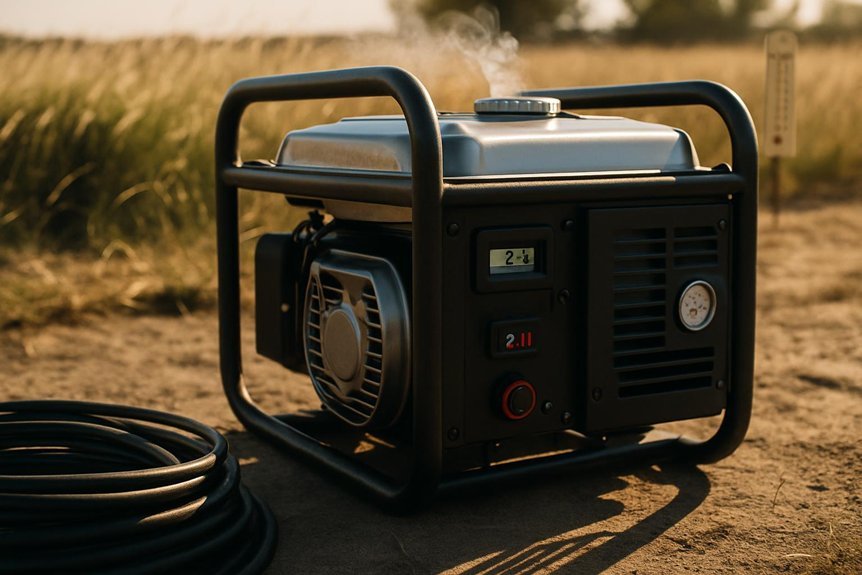
Fuel, cooling, load, and oil are the four main inputs that determine a portable generator’s runtime. We analyze how each factor limits duration and performance. Fuel stability directly affects burn consistency; unstable fuel can cause misfires, richer mixes, or shutdowns, shortening runtime. Cooling efficiency governs component temperatures, preventing overheating that throttles output or triggers safety cutoffs. Load level determines duty cycle: higher loads reduce minutes-per-tank, while light loads improve efficiency but may cause fuel degradation in some engines. Oil quality and level provide lubrication and thermal damping; low oil or degraded oil increases friction, risk of damage, and potential runtime loss. When planning, consider noise considerations and maintain stable fuel, adequate cooling, appropriate load, and clean oil to optimize continuous operation.
How to Estimate Run Time (with a Quick Calculation)
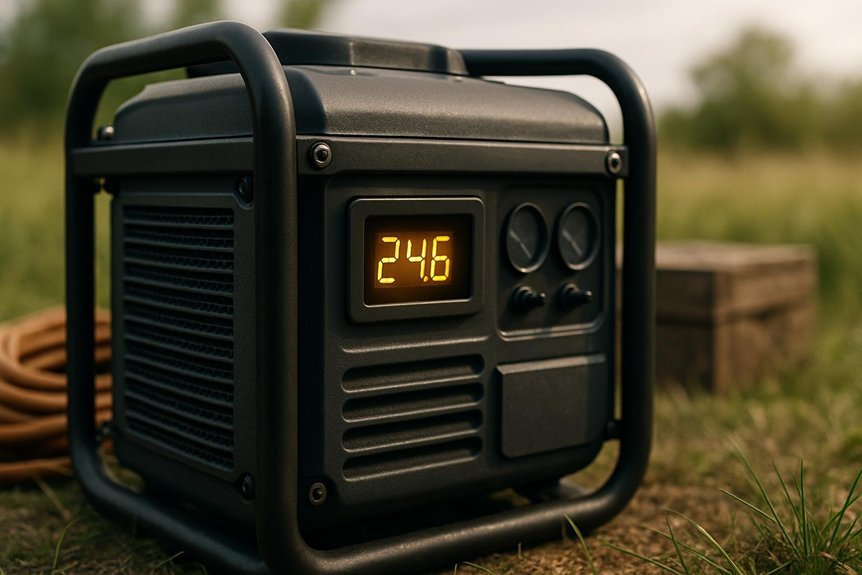
Estimating run time starts with a simple rule-of-thumb calculation you can apply in minutes. We translate load, fuel capacity, and current consumption into a quick estimate, then refine with real-world checks. We prioritize clear inputs: rated output, engine efficiency, and tank size. For two word ideas about Subtopic: fuel efficiency, maintenance schedule, we keep the method straightforward and repeatable.
- Determine fuel rate: gallons per hour at expected load.
- Compute runtime: available gallons divided by gallons-per-hour.
- Adjust for efficiency and maintenance: small losses as components age or require service.
This quick calculation gives a usable baseline, which we cross-check with measured run times under representative loads. If we track a few data points, we improve accuracy for planning.
Plan for Safe, Extended Use
How can we safely extend a portable generator’s operation without sacrificing reliability? We plan a safety-first approach that emphasizes controlled runtime, proper maintenance, and environmental awareness. Start with a verified fuel plan, using safe fuel storage standards to prevent contamination and overflow risks. Schedule regular cooldown intervals after extended runs to maintain component integrity, and implement an extended cooling strategy that avoids overheating during peak loads. Use a clean, level surface away from doors, vents, and moisture, ensuring adequate ventilation and exhaust clearance. Keep grounding, fire suppression, and carbon monoxide alarms in place, and log oil and filter changes to sustain lubrication quality. Prepare a load management plan to stagger demand, reducing surge stress and preserving generator life. Proactive checks minimize unexpected shutdowns and prolong usable output.
When to Upgrade: Switching to a More Robust Power Solution
Upgrading to a more robust power solution becomes prudent when extended reliability, higher load demand, or tighter safety margins exceed what portable generators can safely sustain. We’ll guide you through objective triggers and practical choices, keeping upfront budgeting and maintenance scheduling central to the decision. A switch is justified when sustained outputs approach or exceed rated continuous capacity, when fuel efficiency and run-time prevent practical operation, or when redundancy is needed for critical loads.
1) Evaluate annualized cost vs. risk reduction
2) Align capacity with peak and surge requirements
3) Plan implementation with phased maintenance and testing
We’ll document specs, installation considerations, and commissioning steps so you can transition with confidence. This approach minimizes downtime and keeps safety margins intact.
Frequently Asked Questions
Can a Generator Run Indoors Safely for Extended Periods?
We can’t run a generator indoors safely for extended periods. Indoor ventilation and electrical safety are critical; use outdoors or in a properly ventilated, code-compliant shelter, with CO monitoring, transfer switches, and proper fuel storage and handling.
What Maintenance Schedule Is Best for Long Runtimes?
We map a steady heartbeat: our maintenance schedule keeps long runtimes safe and efficient. We recommend a disciplined two word discussion ideas: inspect, replace. We’ll monitor oil, filters, spark plugs, and hours, with regular testing and documentation.
How Does Altitude Affect Continuous Generator Performance?
Altitude affects continuous generator performance: we observe reduced power output and efficiency as altitude increases due to lower air density. This altitude effects air density, cooling, and fuel mixture, requiring adjustments to maintain stable, reliable operation.
Can I Run a Generator With an Unclean or Dirty Fuel?
We can’t run a generator on dirty fuel; it risks clogging and damage. We’ve seen unreliable fuel cause performance dips, efficiency loss, and startup failures, so we’d recommend filtering or replacing fuel before use.
What Are Signs of Impending Generator Overheating?
Overheating indicators include rising exhaust temps, abnormal shutdowns, and LP/TT readings. We’ll note fuel quality effects: degraded fuel causes loss of power, stalling, and higher operating heat. We’ll monitor temps, keep clean vents, and replace stale fuel.
Conclusion
We can run a portable generator continuously only within the bounds of its fuel, cooling, and load limits. With proper maintenance, adequate ventilation, and staged cooldowns, we maximize uptime while avoiding overheating or oil wear. Calculate fuel burn, monitor temps and oil levels, and pace the load to match capacity. When runtimes shrink under heavier loads, upgrade to a more robust solution. Think of it as timing a relay: steady, deliberate, and under control keeps the power watts flowing.