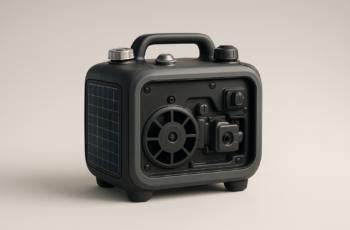
When it comes to backup power solutions, choosing between a power station and a generator can significantly impact your needs and budget. Both options offer advantages and drawbacks, but understanding their differences is key to making an informed decision. Whether you’re preparing for emergencies or seeking reliable long-term energy, exploring the nuances of each can help you determine which system aligns best with your requirements. The choice isn’t always straightforward, so let’s explore what sets them apart.
What Are Power Stations and How Do They Work?
Have you ever wondered how large-scale electricity is generated and supplied to your home or business? Power stations are the heart of this process. They produce electricity on a massive scale using different methods like burning fossil fuels, nuclear reactions, or renewable sources such as wind and solar.
Inside a power station, fuel or natural energy is converted into mechanical energy through turbines. These turbines spin generators that convert mechanical energy into electrical energy via electromagnetic induction.
This electricity is then stepped up in voltage by transformers, making it easier to transmit over long distances through high-voltage power lines. The entire process is highly efficient and carefully controlled to ensure a steady, reliable supply of electricity to homes, businesses, and industries.
Power Stations vs Generators: Which Is Better?
Deciding between power stations and generators depends largely on your needs for scale, reliability, and cost.
Power stations are typically more efficient for larger energy demands, offering clean, quiet, and portable power. They’re great if you need consistent energy over extended periods, especially for outdoor events or remote work sites.
Generators, on the other hand, are usually more affordable upfront and easier to deploy for short-term or emergency use. They tend to be noisier, less efficient for long-term use, and require regular maintenance.
If you prioritize quiet operation, environmental friendliness, and long-term reliability, a power station is often better.
But if your needs are occasional or temporary, a generator might be the more practical, cost-effective choice.
How to Choose the Right Backup Power System for Your Needs
Choosing the right backup power system depends on understanding your specific energy needs, budget, and how you’ll use the power source.
First, assess the total wattage required during outages to determine whether a power station or generator suits you.
Consider how often you’ll need backup power—occasional use might favor a portable generator, while frequent or long-term outages may require a more robust power station.
Your budget influences your options; generators generally cost less upfront, but power stations can offer more efficiency and cleaner energy.
Think about portability—if you need mobility, a smaller generator or portable power station works best.
Also, evaluate fuel availability and maintenance requirements to ensure your backup system remains reliable when needed.
Pros and Cons of Power Stations and Generators
Power stations and generators each come with their own set of advantages and drawbacks, so understanding these can help you make an informed choice.
Power stations are typically more reliable and can supply large amounts of electricity continuously, making them ideal for whole-house backup or industrial use. However, they usually cost more upfront and take longer to set up.
Generators are portable, easier to install, and more affordable, which makes them perfect for temporary or emergency use. On the downside, they often produce less power, require frequent maintenance, and can be noisy or emit fumes.
While generators are convenient, they mightn’t meet high-demand needs. Power stations offer cleaner energy and quieter operation but can be more complex and expensive to operate.
Your choice depends on your specific power needs and budget.
How to Maintain and Get the Most Out of Your Backup Power System
To ensure your backup power system performs reliably when you need it most, regular maintenance is essential. Start by checking fuel levels and connections regularly to prevent unexpected failures.
For generators, schedule periodic oil changes, filter replacements, and run tests to keep parts lubricated and functioning smoothly.
Power stations require firmware updates and routine inspections of batteries and cooling systems.
Keep the system clean and free of debris to avoid overheating or electrical issues.
Test your backup system under controlled conditions to confirm it starts correctly and delivers power.
Keep detailed maintenance logs to track any repairs or parts replacements.
Staying proactive with maintenance ensures your system remains ready, reliable, and efficient whenever the power goes out.
Conclusion
Choosing between a power station and a generator depends on your needs, budget, and how long you’ll need backup power. Power stations are great for long-term, high-demand use, offering quiet and eco-friendly operation. Generators work well for quick, temporary backups but can be noisy and less efficient. Consider your specific situation to pick the best option, and remember to maintain your system regularly to ensure reliable power whenever you need it.