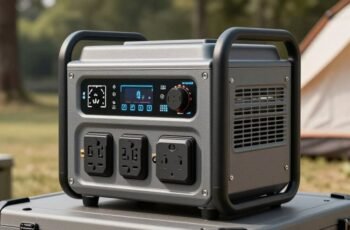
Choosing the right portable generator transfer switch can be a decision with far-reaching consequences, potentially affecting your safety and power reliability in ways you might not anticipate. With so many options and technical considerations—amperage ratings, compatibility, installation protocols—it’s essential to understand what truly matters before making a purchase. The key to ensuring your backup system functions flawlessly when it counts most lies in grasping these critical factors; here’s what you need to know.
Key Takeaways
- Match the transfer switch’s amperage rating with your generator’s output and household load needs.
- Choose between manual or automatic switches based on safety, convenience, and installation complexity.
- Ensure compatibility with your existing electrical panel and support the necessary number of circuits.
- Verify compliance with local electrical codes and safety standards before purchasing.
- Consider the switch’s reliability, ease of maintenance, and features like load handling capabilities.
Understanding the Role of a Transfer Switch in Your Backup Power System
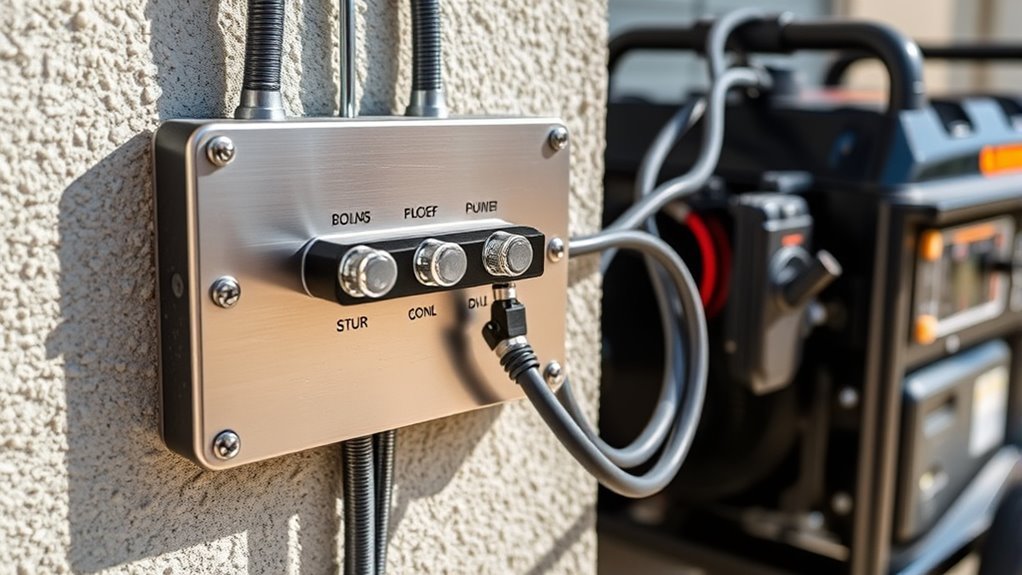
A transfer switch plays a essential role in guaranteeing the safe and efficient operation of your backup power system by automatically or manually switching your household or business load from the utility power to your portable generator. It acts as a critical interlock, preventing backfeed into utility lines and safeguarding utility workers. The switch isolates the building’s electrical system from the grid during generator operation, avoiding electrical hazards. It also guarantees proper load distribution, maintaining stable voltage and frequency. Transfer switches are designed to comply with electrical codes and standards, providing a reliable interface between your generator and electrical system. By automating or simplifying the transfer process, it minimizes downtime and reduces the risk of human error during power transitions.
Comparing Different Types of Portable Generator Transfer Switches
When selecting a portable generator transfer switch, understanding the different types available helps guarantee compatibility with your power needs and system configuration. The primary options include manual transfer switches, automatic transfer switches, load transfer switches, and combined models. Manual switches require user operation to switch power sources, offering simplicity and cost-effectiveness. Automatic switches monitor power supply and switch seamlessly during outages, ensuring minimal downtime. Load transfer switches specifically handle high-demand appliances, providing targeted control. Combined models integrate features, allowing flexibility for various applications. Each type varies in complexity, installation requirements, and responsiveness, so matching the switch type to your system’s technical specifications and operational preferences is essential for safety and efficiency.
Choosing the right transfer switch ensures compatibility, safety, and optimal performance for your power needs.
- Manual, Automatic, Load Transfer, Combined Models
- Operation complexity and automation level
- Compatibility with generator capacity
- Installation and maintenance requirements
Factors to Consider When Choosing a Transfer Switch for Your Home
Selecting the appropriate transfer switch for your home requires careful consideration of several technical factors to guarantee safety, reliability, and compatibility with your existing electrical system. First, assess the switch’s amperage rating to ensure it matches your generator’s output and household load requirements. Compatibility with your electrical panel is critical; verify that the transfer switch supports your panel’s configuration and wiring. Consider the type of transfer switch—manual or automatic—and determine which best suits your needs for convenience and safety. Additionally, evaluate the number of circuits the switch can handle, ensuring it covers essential appliances. Finally, confirm compliance with local electrical codes and standards to prevent safety hazards and ensure proper installation. These factors collectively influence the switch’s performance and longevity.
How to Install and Safely Use a Transfer Switch With Your Generator
Proper installation and safe operation of a transfer switch with your generator are essential to prevent electrical hazards and guarantee reliable power transfer. First, make certain the transfer switch is compatible with your generator’s power output and electrical system. Turn off all power sources before installation to avoid shocks. Follow the manufacturer’s wiring diagram meticulously, connecting the switch to your main electrical panel and generator using appropriately rated cables. Before operation, verify that the transfer switch is properly grounded and that all connections are secure.
- Confirm transfer switch compatibility with your generator
- Turn off main power before wiring
- Follow manufacturer’s wiring instructions precisely
- Verify grounding and secure connections
Tips for Maintaining Your Transfer Switch and Ensuring Reliable Power When Needed
Regular maintenance of your transfer switch is essential to guarantee it operates reliably during power outages. We recommend inspecting the switch annually for signs of corrosion, dirt, or wear, and cleaning contacts with a contact cleaner if necessary. Make certain that all wiring connections remain tight and free of corrosion, as loose connections can cause malfunction. Test the switch periodically by simulating a power outage to confirm proper operation and transfer of load. Lubricate moving parts if specified by the manufacturer, and replace any damaged components immediately. Keep the transfer switch environment dry and free of debris to prevent moisture-related issues. Consistent, precise maintenance ensures the switch’s performance and longevity, providing dependable power when you need it most.
Frequently Asked Questions
Can a Transfer Switch Be Installed Outdoors or Does It Need Indoor Placement?
Transfer switches can be installed outdoors if they’re weatherproof and rated for outdoor use. We recommend consulting manufacturer specifications and local electrical codes to guarantee proper outdoor installation, safety, and durability against environmental elements.
What Is the Typical Lifespan of a Portable Generator Transfer Switch?
A portable generator transfer switch typically lasts 10 to 20 years with proper maintenance. Like a well-oiled machine, regular inspections and cleanings guarantee reliable performance and extend its lifespan, safeguarding your power needs efficiently.
Are There Any Warranty Options Available for Transfer Switches?
Yes, warranty options are generally available for transfer switches, often covering defects and failures for 1 to 5 years. We recommend reviewing manufacturer policies carefully to understand coverage details, including parts, labor, and service conditions.
How Do I Troubleshoot Common Transfer Switch Malfunctions?
We check connections for loose wires, test circuit breakers, verify power supply, inspect for corrosion or damage, and confirm proper grounding. If issues persist, we consult the manufacturer’s troubleshooting guide or seek professional repair to restore functionality safely.
Is Professional Installation Mandatory or Can I Install It Myself?
Installing a transfer switch isn’t a small feat—it’s a complex task that involves precise electrical work. We strongly recommend professional installation to guarantee safety, compliance, and peak performance, though skilled DIYers with electrical expertise might handle it carefully.
Conclusion
Just as a lighthouse guides ships safely through darkness, selecting the right transfer switch guarantees your home’s backup power is reliable and safe. By understanding your generator’s capacity, compatibility, and maintenance needs, we can navigate the complexities of installation and operation with confidence. With careful choice and diligent upkeep, your system will stand ready—brighter than ever—for any storm ahead, illuminating a path to uninterrupted power when it matters most.