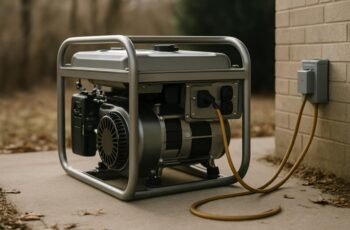
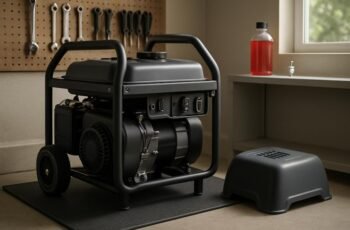
Think of a portable power generator as a compact energy station you bring to the job site or campsite, delivering steady voltage when main power isn’t available. We’ll cover how these units convert stored fuel into electricity, the tradeoffs between gasoline, diesel, and propane, and how to size a unit for your needs. We’ll also outline safe startup, routine maintenance, and practical buying criteria, so you can evaluate options with confidence as conditions change.
Key Takeaways
- A portable power generator is a compact, self-contained device that provides temporary electricity for remote sites, outages, and recreational use.
- It uses an internal combustion engine to drive a generator that converts fuel into electrical power.
- It delivers regulated AC output with safety features like grounding, overload protection, and noise/emission considerations.
- Common fuels include gasoline, diesel, or propane, with tradeoffs in cost, availability, and performance.
- Proper operation requires adherence to manufacturer guidelines, routine maintenance, and safe setup on stable surfaces.
What a Portable Generator Is and When to Use It
A portable generator is a compact, self-contained power source designed to supply electricity temporarily, typically by converting fuel into electrical energy. We define its purpose clearly so you can decide when it’s appropriate to deploy it. In remote worksites, during outages, or at recreational sites, you gain reliable access to essential circuits without permanent infrastructure. We consider load profiles, run-time requirements, and weather exposure to determine suitability. We emphasize portability and quick setup, while recognizing the need for safe operation and compliance with local codes. For portable power, choose models with appropriate wattage, startup surge handling, and integrated safety features. Generator maintenance—regular checks, oil levels, air filters, and battery health—ensures available power when you need it most.
How Portable Generators Convert Fuel Into Electricity
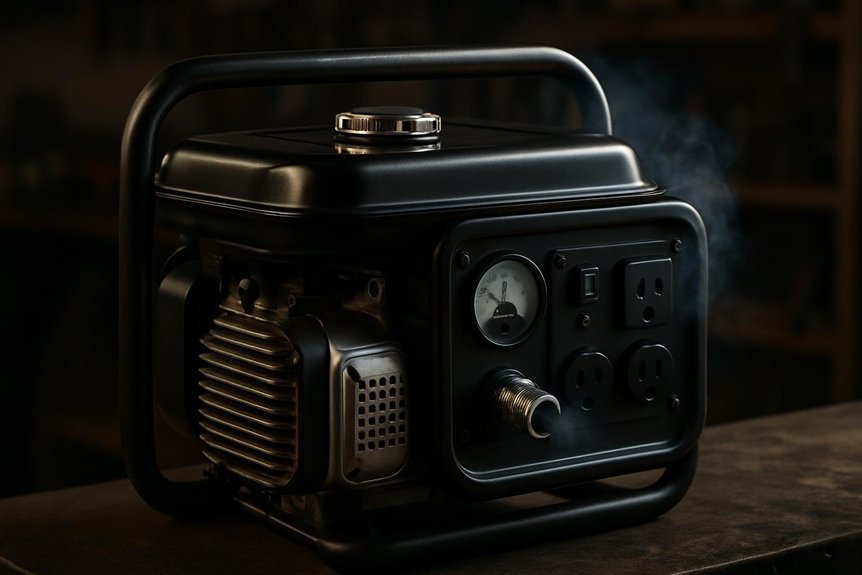
We examine how fuel is transformed into usable electricity by tracing the steps from combustion to rotational power and ultimately to electrical output. We focus on engine mechanical power transfer, how that power drives alternators or generators, and how electrical output is regulated for stable voltage and current. We also consider safety measures and monitoring that guard against faults during operation.
Fuel to Electricity Conversion
How do portable generators convert fuel into usable electricity? We describe the conversion process as a controlled, mechanical-electrical sequence that transforms chemical energy into electrical power. Our focus is on internal components, signals, and efficiency, not on marketing claims. We outline the essential steps below:
- Fuel is oxidized in the engine, providing mechanical torque.
- The engine drives a generator alternator, inducing alternating current.
- Voltage regulation stabilizes output under varying loads.
- Emissions, cooling, and lubrication manage reliability and longevity.
We consider alternative fuels, when supported, to reduce emissions and expand fuel options. Noise reduction strategies are integral to practical operation, guiding design choices and enclosure features. Our aim is precise, data-driven understanding of the conversion path from chemical energy to usable electricity.
Engine Mechanical Power Transfer
Engine mechanical power transfer couples the chemical energy liberated by the fuel in the engine to the generator’s rotating field. We describe the path from combustion to torque transfer, focusing on components that convert high-pressure gases into rotational motion and sustain it with controlled timing. In this stage, the crankshaft converts pistons’ linear motion into a uniform shaft rotation, while the flywheel stabilizes speed under load fluctuations. We emphasize lubrication as a critical factor: engine lubrication reduces friction, dissipates heat, and protects moving surfaces from wear, directly influencing efficiency and longevity. Proper clearances and bearings support smooth torque transmission, minimizing crankshaft wear and vibration. Together, these elements ensure consistent excitation, predictable electrical output, and reliable operation across operating conditions.
Electrical Output Regulation and Safety
What ensures that a portable generator’s electrical output remains within specification under varying loads and conditions, and how is safety maintained throughout operation? We explain regulation and protection with a focus on stable voltage, frequency, and current limits, plus safe handling. We coordinate sensing, control, and isolation to meet standards while minimizing risks. Key mechanisms include automatic voltage regulation, solid-state governors, overcurrent protection, and grounding practices. We also address noise reduction and electric isolation to prevent interference and shock hazards. Our approach emphasizes clear, factual operation rather than speculation.
- Automatic voltage regulation maintains output within tolerance.
- Governor control responds to load changes.
- Overload and short-circuit protection activates on fault.
- Proper grounding and enclosure shielding support safe, compliant use.
Fuel Options for Portable Generators: Gas, Diesel, Propane, and Tradeoffs
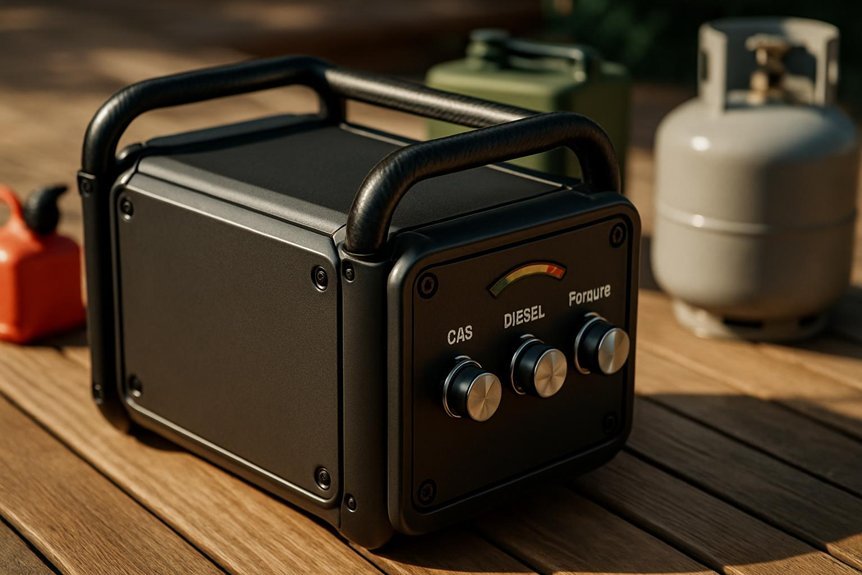
Fuel options for portable generators hinges on matching fuel properties to runtime needs, cost, and availability. We examine gas, diesel, and propane with attention to performance, storage, and accessibility. Gas options typically offer broad supply and lower upfront equipment cost, but fuel volatility and heat generation influence runtime efficiency. Diesel viability hinges on higher energy density, robust cold-weather performance, and longer service life in demanding use, though equipment and fuel costs rise. Propane provides clean combustion and longer shelf stability but generally yields lower energy content per volume, increasing tank size or refueling intervals. We balance fuel availability, infrastructure, and maintenance requirements to determine the most suitable option for a given application, recognizing tradeoffs in efficiency, emissions, and lifecycle costs.
Sizing Your Portable Generator: How Much Power Do You Really Need?
We start by outlining how to determine your load and translate it into practical power needs. We’ll walk you through identifying essential versus nonessential devices and calculating total wattage, then map that to generator output. By focusing on accurate wattage and efficiency, we set a clear basis for choosing an appropriate size.
Determine Your Load
Determining your load is the essential first step in choosing a portable generator, because it defines the size and capability you actually need. We approach load assessment with precision, focusing on essential versus nonessential circuits and ensuring practical efficiency. Our method emphasizes protection, predictability, and safe operation.
- Identify critical circuits and their wattage
- Separate startup surges from running loads
- Estimate total continuous demand plus a margin
- Plan for extension cord safety and proper cord gauges
load prioritization guides our selection, ensuring we match generator capacity to essential needs while avoiding overrun. We also emphasize extension cord safety to prevent voltage drop and overheating. With accurate load accounting, we avoid under- or oversizing, improving efficiency, reliability, and safety in real-world use.
Choose Appropriate Wattage
To choose the right wattage, start by translating your identified load into realistic requirements for running and startup power, then select a generator that covers both with an adequate margin. We approach sizing by distinguishing essential and nonessential loads, quantifying running watts and surge watts, and evaluating duty cycles. We prefer a generator whose continuous rating exceeds the total running load by a safety factor, while the surge rating accommodates startup spikes. We assess power efficiency by comparing rated output to actual performance under typical loads, ensuring the unit maintains voltage within spec. We also consider maintenance cost, choosing models with durable components and accessible service. Finally, we document expected runtime at common loads to validate long-term reliability and minimize unexpected outages. This disciplined approach yields a precise, justified wattage choice.
Safe Startup and Ongoing Maintenance for Longevity
When starting a portable power generator, verify all safety measures, follow the manufacturer’s instructions, and ensure the unit is on a stable, level surface before ignition. We describe safe startup procedures and ongoing maintenance to maximize longevity.
- Inspect fuel, oil, and air filters prior to each use, replacing components as needed.
- Start the unit with no load, then gradually apply power after stabilization.
- Schedule routine oil changes and filter replacements per spec, logging dates.
- Perform periodic static and electrical checks, cleaning vents and confirming grounding.
Adhering to these steps supports reliable operation and reduces wear. We emphasize disciplined maintenance, prompt fault detection, and adherence to manufacturer guidance to sustain safe startup and ongoing maintenance.
Use Cases, Buying Considerations, and Quick Decision Guide
Portable power generators serve a broad range of applications, from temporary outdoor events to emergency home backup. We present concrete use cases—camping, construction sites, and uninterruptible power during outages—to frame selection priorities. Key buying considerations include rated continuous and surge outputs, fuel type, run-time at typical loads, noise, portability, and accessory compatibility. For a quick decision, align capacity with anticipated loads, then assess runtime requirements and fuel availability. Maintenance pitfalls—such as neglecting regular oil changes, incorrect storage, and improper battery or capacitor handling—undermine reliability and longevity; our approach emphasizes routine checks and factory-recommended service intervals. We recommend a concise, task-oriented setup plan: determine required power, verify safety features, and confirm maintenance schedules to minimize downtime and maximize dependable portable power.
Frequently Asked Questions
How Loud Is a Typical Portable Generator in Decibels?
We typically see portable generators operate around 50–65 dB at 7–10 feet, varying by load; we assess loudness comparisons and implement noise mitigation strategies to optimize performance without compromising reliability or safety for users like you.
Can a Portable Generator Run Essential Medical Devices?
Yes, a portable generator can run essential medical devices during disaster preparedness for outdoor power needs, provided it’s sized properly, uninterrupted power is guaranteed, and medical-grade emissions, battery backups, and fuel stability are managed carefully.
Do Generators Produce Clean Power for Sensitive Electronics?
Yes—we ensure clean power for sensitive electronics, though generator noise and fuel efficiency vary. We design and test to minimize harmonics and voltage fluctuations, maintaining stable output while prioritizing fuel efficiency, reliability, and clear guidance for safe use.
What Maintenance Costs Are Typical Over 5 Years?
We estimate maintenance costs around 200–900 USD over five years, depending on model; including fuel, oil, air filters, and service. For five year budgeting, consider noise levels, dB ratings, medical devices, and portable, solar backup options.
Is a Solar-Backup Option Viable for Portable Generators?
Solar-backup is viable; we see solar efficiency improving and battery integration becoming more practical for portable gensets. We can optimize runtimes, but reliability hinges on weather, inverter transients, and proper charge management in field use.
Conclusion
We’ll wrap this up by noting that a portable power generator is a compact, self-contained unit that converts stored fuel into regulated electricity, ideal for remote worksites and outages. We’ll emphasize load planning, efficient fuel use, and routine maintenance for longevity. Think of it as a power plant in a backpack: portable, ready, and dependable when you need it most. By following manufacturer guidance, you’ll achieve safe startup, reliable operation, and compliant use in any field or recreational scenario.