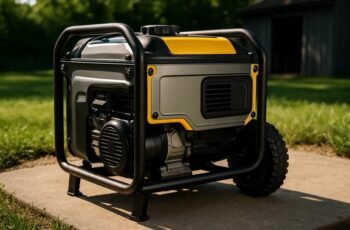
We operate portable generators by starting with safety checks and a clear plan, and we’ll guide you through the steps we follow to keep everyone protected. We’ll place the unit outdoors on level ground with ample clearance, verify fuel and oil, inspect cords and outlets, and ensure ventilation and a clean area. We’ll start per the manufacturer, keep a safe shut-off path, manage loads, and monitor for leaks or overheating. If anything seems off, we pause and reassess before proceeding.
Key Takeaways
- Inspect the generator for damage, ensure clean fuel storage, and confirm oil level and ventilation before starting on a stable surface.
- Place the unit outdoors on a level surface with at least three feet clearance, away from walls and obstructions.
- Use the correct fuel in approved containers, check for leaks, ventilate area, and start per the manufacturer with a clear shut-off path.
- Calculate total wattage, use appropriate extension cords, and keep circuits balanced to prevent overheating and trips.
- Establish a maintenance schedule, perform routine cleaning and lubrication, and know emergency shutdown steps: stop fuel, off engine, disconnect load, cool, inspect.
Portable Generator Safety: Get Safe Before You Start
Before you start, we’ll make safety the priority. We guide you to inspect the generator’s cordage, outlets, and frame for damage, corrosion, or loose parts. Check that you have fresh portable fuel stored properly and away from ignition sources, and confirm the fuel cap is secure. We verify that the oil lubrication level is within the recommended range and that the dipstick seals correctly. Remove clutter from the workspace, ensure good ventilation, and place the unit on a stable, level surface. Keep hands dry and clean, use dry gloves if needed, and avoid wiring or modifying the system. Start procedures follow the manufacturer’s instructions, with a clear path to shut‑off if hazards appear. Stay focused, deliberate, and safety‑driven.
Place and Ventilate Correctly for Safe Operation
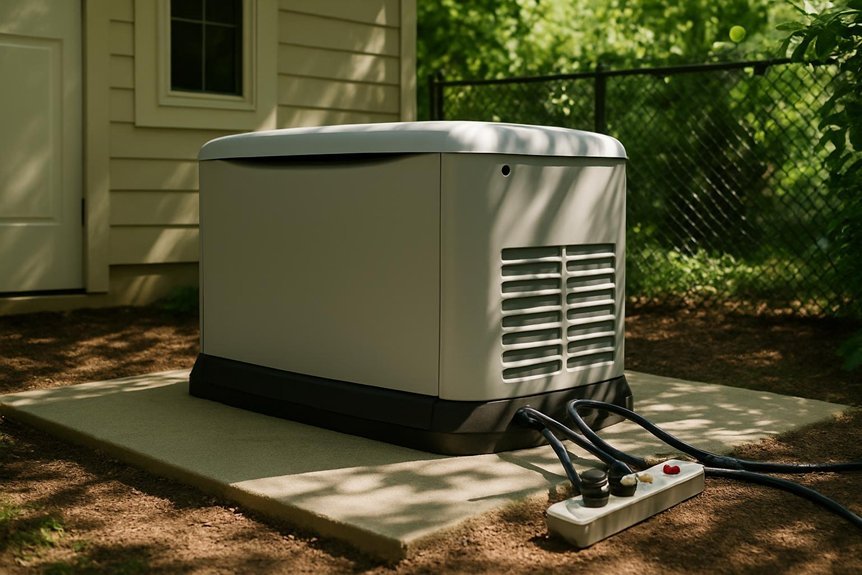
Position the generator on a stable, level surface away from walls, curtains, and other obstructions, and open the exhaust area to assure good airflow. We should ensure place ventilation is clear and uninterrupted, so hot exhaust cannot leak toward doors or windows. Proper placement clearance reduces carbon monoxide risk and improves performance. Always position the unit outdoors, with the intake unobstructed and the exhaust directed away from you and bystanders.
- Maintain adequate place ventilation by keeping at least three feet from walls and doors
- Check placement clearance before starting, removing debris or clutter nearby
- Use a flat, dry surface with stable footing to prevent tipping
Fuel Handling and Start-Up Best Practices
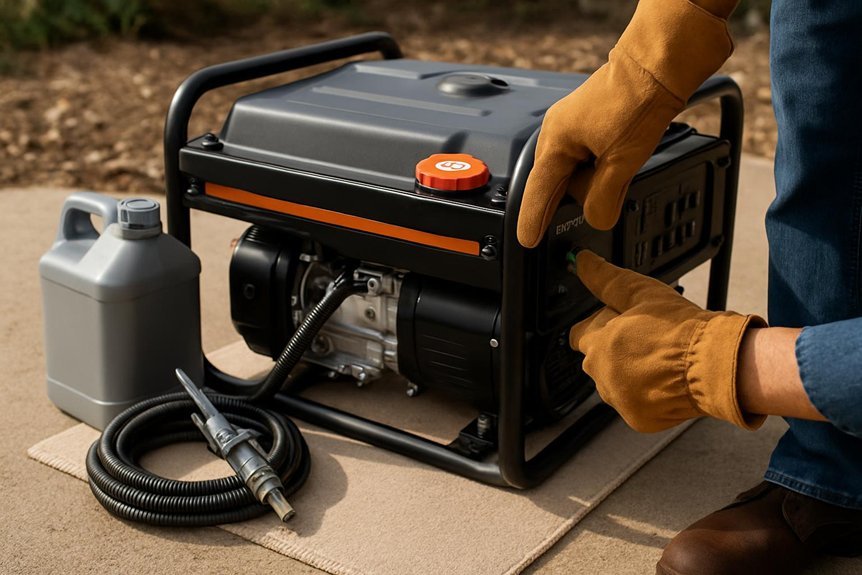
To start the generator safely, we’ll handle fuel and start-up steps with care and precision. We begin with fuel handling: use the correct fuel type, in a labeled, approved container, and avoid spills. Inspect for leaks, and wipe up any spilled fuel before starting. Ensure the area is well ventilated and away from ignition sources. Secure the fuel cap, then slowly add fuel to avoid vapor ignition. Move the unit outdoors for start-up, and set on a stable surface. With the switch off, connect only the required load after startup. Do not refuel while hot or running. Follow the manufacturer’s guidelines, depress the choke if needed, and start per the manual. Adhere to these start up best practices for safe operation.
Electrical Safety and Load Management for Real-World Use
What matters most in real-world use is preventing overload and keeping cords, outlets, and generators safe in the moment. We approach electrical safety and load management with clear limits and deliberate planning. We’ll balance demand, avoid overtaxing circuits, and monitor what each device draws. Our focus on operation budgeting helps prevent trips or overheating, while we keep noise management in mind to preserve neighbor comfort.
- Assess total wattage before plugging in
- Use appropriate extension cords and dedicated circuits
- Shut down nonessential loads during surges
We’ll respect safety margins, unplug anything not essential, and verify that outlets stay cool. By planning, we reduce risks and improve reliability, delivering power where we need it without compromising safety or comfort.
Regular Maintenance, Inspections, and Troubleshooting
We establish a routine for Regular Maintenance Checks to catch small issues before they become big problems. We’ll guide you through clear, actionable steps for inspections and simple troubleshooting of common issues. Together, we’ll keep your generator reliable, safe, and ready when you need it.
Regular Maintenance Checks
Regular maintenance checks are essential to keep a portable generator safe and reliable. We want to stay proactive, not reactive, so we schedule routine actions and record findings. Our focus is on preventing failures before they happen through steady, purposeful care.
- Establish maintenance scheduling with a clear calendar and reminders
- Inspect, clean, and lubricate key components, noting wear or corrosion
- Plan parts replacement and service intervals before critical thresholds
Troubleshooting Common Issues
As we finish our maintenance planning, we’re ready to tackle common generator issues and fixes in a practical, hands-on way. First, we keep troubleshooting basics in mind: isolate problems, verify symptoms, and rule out simple causes before complex repairs. Start with fuel and ignition checks—fresh fuel, clean spark plug, proper wiring, and secure connections. If starts but runs irregularly, inspect carburetor and air filter for clogs or debris, and clean as needed. Check battery condition and charging circuits for electric starters. Listen for unusual sounds or vibrations and inspect mounting, exhaust, and cooling vents for obstructions. For storage, ensure the unit is dry, shaded, and off, with fuel drained if stored long-term. Follow these steps to prevent outages and extend generator storage life.
Emergency Shutdown and Safe Disconnect Procedures
We’ll cover how to perform an emergency shutdown quickly and safely, then verify the generator is disconnected from power. If you notice abnormal noises, heat, or smells, cut power at the transfer switch or main breaker and let the unit cool before inspecting. We’ll also outline safe disconnect steps to prevent backfeed and ensure everyone nearby stays protected.
Emergency Shutdown Steps
When an urgent shutdown is required, we act quickly and methodically to stop the generator and prevent injury or damage. We follow a controlled sequence to minimize risks and preserve equipment. Remember two key terms: emergency shutdown and safe disconnect.
- Stop fuel supply and switch OFF the engine at the nearest breaker or shutoff switch
- Disconnect electrical load and wait for the engine to idle to a safe state
- Cool the unit and inspect for thermal or fuel leaks before storage
We keep movements deliberate and avoid abrupt actions. Communicate clearly with anyone nearby, verify the area is clear, and document the shutdown if required. Afterward, assess the situation, reset controls per manual, and prepare for a safe restart when conditions permit.
Safe Disconnect Procedures
Is it essential to act quickly yet precisely during a safe disconnect and emergency shutdown? We’ll walk you through a calm, stepwise approach we can trust. First, switch off the generator and allow it to cool briefly before any handling. Then disconnect all loads, remove plugs, and close the fuel valve only after the unit is safe to touch. To avoid sparking or backfeed, never restart machinery while cords remain energized. Follow manufacturer instructions for cool-down periods and secure the unit against movement. Incorporate avoidance strategies by planning routes and keeping the area clear. For noise reduction, apply muffling guidance and position units away from living spaces. Finally, verify shutdown, store safely, and document any anomalies for maintenance.
Frequently Asked Questions
How Do I Store a Portable Generator Long-Term Safely?
We store a portable generator long-term safely by emptying fuel, using fuel stabilization, and storing in a dry, ventilated area away from ignition. We drain oil, inspect seals, and test every season for storage safety.
Can I Use a Generator Indoors for Power During Outages?
We can’t safely use a generator indoors; CO hazards are real. We investigated whether indoors helps, and we found it’s dangerous. Always stage outdoor power, ventilate, and use proper transfer switches during outages. Keep everyone safe.
What Are Signs of Carbon Monoxide Buildup During Use?
We must monitor for carbon monoxide buildup and evacuate immediately if symptoms appear; keep a CO detector nearby and ensure proper fuel storage. We warn against indoor use, and store fuel away from generators to reduce CO risks.
How Do I Determine the Right Size Generator for My Needs?
Like a tailor fits a suit, we size-match for you: to determine the right generator, we perform a precise load calculation, ensuring size matching and that your essential appliances run reliably.
Are Transfer Switches Required for Multi-Circuit Backup?
Yes, transfer switches are required for multi-circuit backup. We install and connect them properly, ensuring safe isolation of circuits and synchronized power. We’ll follow codes, label circuits clearly, and test before use to avoid backfeed.
Conclusion
We’re glad you stuck with these safety steps. Following them reduces your risk of carbon monoxide poisoning and electrical fires—two leading generator hazards. Did you know that improper fuel handling accounts for a significant number of generator incidents each year? Keep fuel away from ignition sources, use the right extension cords, and never operate indoors. With proper placement, ventilation, and regular checks, you’ll have power when you need it without the danger. Stay vigilant, and shut down if anything looks off.