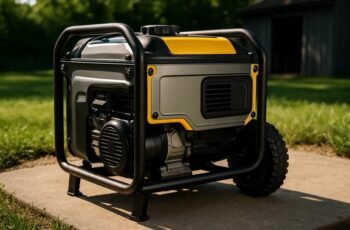
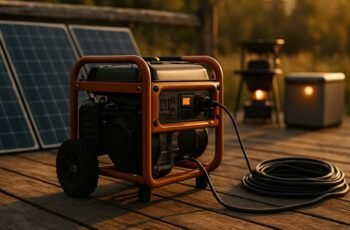
We estimate fuel duration by starting with usable tank capacity, then applying the generator’s energy content and runtime at a chosen load. We compare actual draw to rated consumption, adjust for startup surges, alternator and accessory loads, and account for fuel quality and ambient conditions. We cross-check with manufacturer figures while noting derates and storage losses. If you want a practical estimate, we’ll walk through the steps and keep you oriented toward real-world reliability.
Key Takeaways
- Estimate runtime: usable tank volume divided by consumption rate at the expected load (convert to per-hour terms).
- Use manufacturer-rated fuel burn as a baseline and adjust for alternator and accessory draw.
- Expect shorter runtimes with 75%+ surges; 25% and 50% loads use proportional fractions of rated consumption.
- Fuel quality, storage, temperature, and maintenance significantly affect practical runtime.
- Use load management, staggered starts, and stabilized fuel to stretch outage runtime.
Estimate Portable Generator Run-Time, Quickly
Estimating run-time for a portable generator starts with simple inputs: tank capacity, fuel type, and the rated fuel consumption at your expected load. We present a fast, repeatable method so you can compare options quickly. First, determine the usable tank volume in liters or gallons, then select the fuel’s energy content and the unit’s efficiency at your load. Next, apply run-time = tank energy equivalent / consumption rate, ensuring units align. Idea one: convert consumption to per-hour terms at the anticipated load to avoid misestimates. Idea two: cross-check with the manufacturer’s rated run-time figures while accounting for alternator and accessory demand. We keep measurements consistent, document assumptions, and report a tight run-time band rather than a single number. This approach yields an actionable, repeatable estimate for planning.
Factors Affecting Generator Fuel Use in Practice
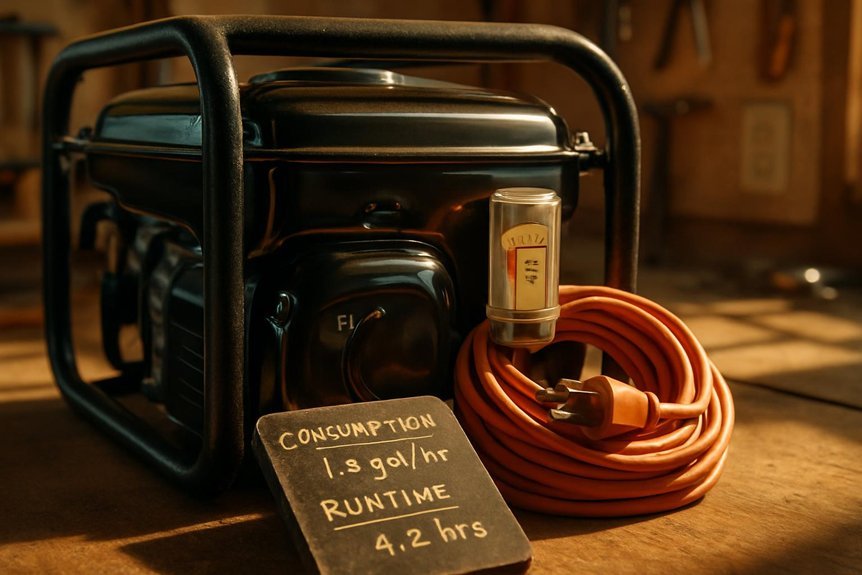
What practical factors most influence how much fuel a portable generator uses in real life, beyond the nameplate specs? We examine how conditions alter consumption, not just rated output. We consider fuel quality, storage, and handling, plus environmental and operating realities that shift efficiency. We must manage heat, altitude, and load swings, which drive fuel burn beyond textbook targets. Wind effects on cooling and intake can change engine efficiency, while fuel storage conditions determine volatility and instability under start-up or continuous running. Real-world maintenance, startup protocols, and load balancing also matter, shaping overall fuel use.
- Fuel storage conditions and quality
- Load stability and transient demands
- Ambient temperature and wind effects on cooling
- Maintenance and start-up procedures
Quick Formulas for Run-Time at Typical Loads
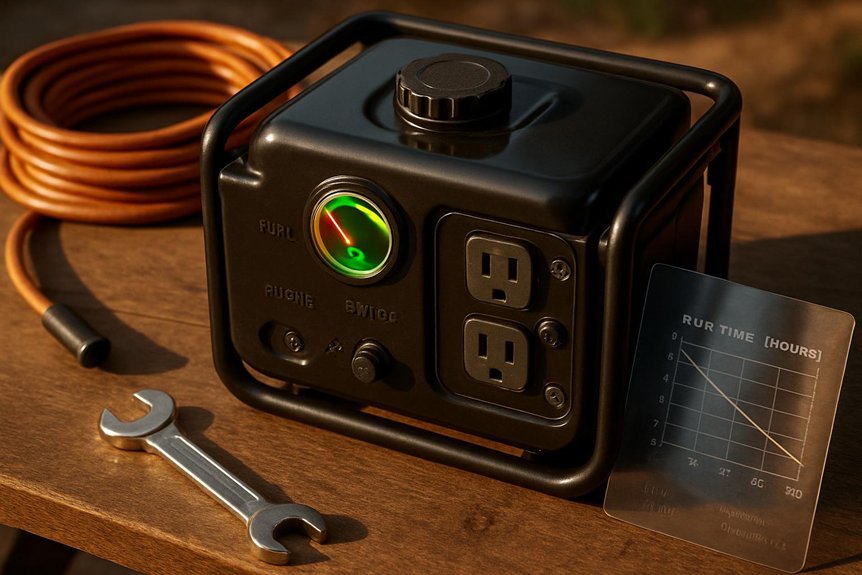
How long will a portable generator run at common loads? We present quick formulas to estimate run-time at typical loads, using labeled fuel burn rates per hour. For 25% load, multiply the rated consumption by 0.25; at 50% load, use roughly 0.5; at 75% load, about 0.75. These ratios assume steady operation and nominal efficiency. We convert fuel amount to runtime by dividing available gallons by the runtime factor, then adjust for derates due to startup surges. We also note that outlet placement and load distribution can affect phase balance, influencing practical run-time slightly. Maintain a consistent maintenance cadence to preserve nominal consumption. Use these figures as benchmarks, not guarantees, and recalibrate after any fuel type or altitude changes.
How Tank Size, Fuel Type, and Efficiency Combine
Tank size, fuel type, and efficiency jointly determine usable runtime; choosing the right combination minimizes frequent refueling and maximizes sustained power. We evaluate gas capacity, fuel type, and efficiency to predict performance across loads. Higher tank volume generally extends runtime, but only if fuel type and engine efficiency support that volume without losses.
1) Select fuel type and octane compatibility to avoid detonation and throttle losses.
2) Match tank size to expected duty cycle, balancing weight, and transportability.
3) Consider efficiency gains from modern carburetion or EFI systems and load averaging.
4) Monitor fuel quality, storage conditions, and converter losses to preserve usable gas capacity.
Pro Tips to Stretch Run-Time During Outages
From our look at tank size, fuel type, and efficiency, we can shift focus to practical steps that stretch run-time when outages hit. We share concrete actions to maximize outdoor power without wasting fuel. Start with load management: run only essential circuits, prune peak-demand appliances, and stagger startup for motors. Prioritize continuous operation at a steady, moderate load rather than brief high bursts. Use automatic transfer settings where available to avoid idle fuel burn. Maintain air and exhaust pathways; clean filters prevent hidden throttling. Regularly service spark plugs and carburetors to sustain fuel economy. For efficiency, choose stabilized fuels and avoid ethanol-heavy blends in long outages. Monitor fuel level and temperature, keeping the generator within optimal operating ranges to reduce fuel waste and extend runtime.
Frequently Asked Questions
How Accurate Are Runtime Estimates in Real Weather Conditions?
Runtime estimates are not always precise; discrepancies in estimates occur due to weather related variations. We quantify fuel burn under standard conditions, then adjust for wind, temperature, and load to improve accuracy for real-world operation.
Do Generators Shut off Automatically Before Fuel Runs Out?
Yes, our generators shut off automatically when they detect fuel depletion. We monitor generator maintenance and fuel stabilization so safety margins stay intact; this prevents running dry and preserves engine life, reducing outages with precise, proactive safeguards.
Can You Mix Gasoline With Ethanol-Free Fuel Safely?
Yes, you can mix ethanol-free fuel with gasoline, but monitor ethanol effects and use fuel stabilization. We recommend testing blend compatibility, avoiding prolonged storage, and following manufacturer guidance to prevent varnish, gum, or phase separation in your portable generator.
How Does Altitude Impact Fuel Efficiency and Power Output?
Altitude effects reduce fuel efficiency and can lower peak power output; we observe leaner mixture and cooler air, improving efficiency at some altitudes but risking misfires higher up. We’ll monitor performance, adjust load, and calibrate accordingly.
Do Inverter Generators Use Fuel Differently Than Conventional Ones?
We’re the compass ship, steering through inverter differences as a lighthouse, not a lantern; inverter generators use fuel differently, optimizing for efficiency. They throttle with electronics, reducing waste, lowering fuel usage while maintaining steady power for sensitive loads.
Conclusion
We’ve walked through how to estimate run-time by starting with usable tank capacity, then applying energy content and load-based fuel consumption, adjusted for startup surges and accessories. We’ve stressed cross-checks with manufacturer figures, and accounting for derates, storage losses, and fuel quality. In short, plan for practical runtimes with a margin for variability. Let’s say you’ll get more confidence by modeling worst-case and typical loads, while keeping a cautious, hopeful eye on maintenance and temperature—further refinements are welcome, quietly improving accuracy.