We understand durability for portable generators rests on robust structure, resilient materials, and sealed interfaces that resist fatigue, corrosion, and impact. In practice, we choose enclosure rigidity, secure fasteners, and thoughtful vibration control to prevent loosening or cracking. Weather exposure is met with seals, thermal management, and UV/chemical‑resistant plastics where appropriate. That foundation guides our testing and maintenance plans, but the next steps we take together will determine how these choices perform under real-world stresses.
Key Takeaways
- Durable portable generators prioritize enclosure rigidity, seals, and UV-resistant plastics to resist weather, dust, and impact.
- Engine assemblies use robust materials, tight tolerances, vibration damping, and balanced rotating parts for long-term endurance.
- Fuel systems employ corrosion-resistant alloys, anti-clog designs, and protected routing to prevent contamination and sediment buildup.
- Vibration isolation, robust mounting, and controlled enclosure movement reduce fatigue and maintain alignment under real-world use.
- Real-world testing and maintenance logs assess load management, startup reliability, cooling, and component wear for lasting durability.
What Durability Means for Portable Generators
Durability for portable generators refers to their ability to withstand real-world use without failure or performance loss. We define durability by measurable characteristics—structural integrity, material resilience, and sealed interfaces—that ensure reliable operation across typical environments. In practice, this means selecting components with proven fatigue resistance, corrosion tolerance, and impact resilience, all tested under representative loads and temperatures. We evaluate enclosure rigidity, fastener retention, and vibration control to prevent loosening or cracking over time. Weather exposure demands robust seals and assemblies that maintain electrical and fuel integrity without seepage or degradation. We emphasize durable plastics in noncritical housings and consider their UV and chemical resistance. Finally, weatherproof seals ensure gasketed joints stay tight under cycling pressure, moisture, and temperature shifts, preserving performance throughout the generator’s service life.
How Engine Design and Construction Beat Rough Handling
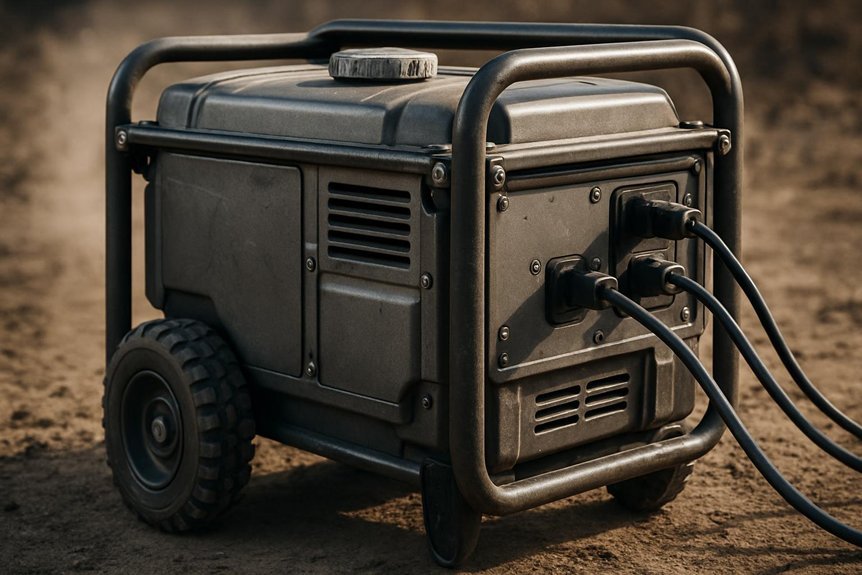
How do we guarantee an engine endures rough handling without compromising performance? We design for endurance from the ground up, selecting robust materials, tight tolerances, and proven manufacturing processes. Our approach emphasizes engine durability through reinforced blocks, balanced rotating assemblies, and durable bearings that tolerate vibration and shocks. We optimize cooling and lubrication to maintain stable temperatures under load, preventing hot spots during rough handling. We employ conrods, pistons, and rings chosen for wear resistance and consistent ring seal under dynamic stress. We integrate vibration damping and rigid mounting to preserve alignment and reduce fatigue at high torque. Precision assembly, thorough testing, and real‑world validation ensure rugged handling without performance loss, delivering reliable power and predictable behavior under demanding conditions.
Fuel Systems That Resist Corrosion and Clogging
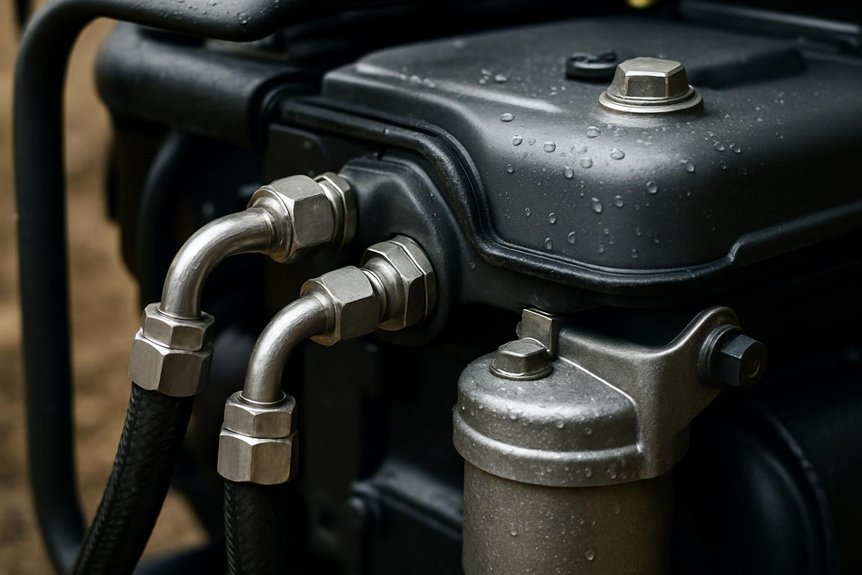
We discuss fuel system strategies that resist corrosion and clogging, focusing on automatic fuel line protection and anti-clogging design. We’ll explain materials, coatings, and flow-path choices that reduce corrosion risk and minimize sediment buildup in real-world portable-generator use. Our goal is to establish practical, proven criteria for selecting components that keep fuel delivery reliable under demanding conditions.
Fuel Line Corrosion Prevention
Fuel line corrosion is a common failure mode in portable generators, and preventing it starts with understanding how additives, materials, and routing interact with fuel chemistry. We examine material selection, junctions, and sealants to minimize galvanic effects and moisture ingress. We emphasize fuel compatibility and avoid incompatible metals or liners that accelerate degradation. We prioritize corrosion-resistant alloys, compatible elastomers, and proper clamping to limit micro-movements that trap moisture. Routing practices reduce exposure to heat, humidity, and contaminant sources while preserving fuel containment integrity. We recommend stabilized fuels, clean filtration, and periodic decontamination procedures to curb varnish and acid buildup. By documenting fuel chemistry interactions and implementing conservative service intervals, we sustain lines, prevent leaks, and extend overall generator durability. Continuous monitoring informs proactive replacements and effective maintenance planning.
Anti-Clogging Fuel Systems
What design strategies keep portable generator fuel systems both free of clogs and resistant to corrosion, ensuring reliable starts and steady power delivery? We deploy anti-clogging fuel systems that emphasize clean fuel delivery and materials resistance. We favor low-ash detergents, stabilized dyes, and precision filters rated for fine particulates, paired with vents and baffling to minimize air-entrainment. Our systems employ corrosion-resistant alloys, protective coatings, and compatible elastomers to withstand ethanol blends and moisture. We implement fuel-stabilization guidelines, bypassing varnish formation and ensuring full-spectrum compatibility across seasonal use. Durability metrics guide component margins, while maintenance schedules emphasize pre-season inspection. Extreme condition testing validates performance under heat, vibration, and altitude. Together, these elements sustain flow, reduce deposits, and preserve starting reliability and consistent power output.
Vibration, Mounting, and Enclosure Strategies for Stability
Are vibration and improper mounting undermining your portable generator’s stability, or can thoughtful enclosure choices dramatically reduce noise, wear, and vibration transfer? We’ll address this with precise methods. Our approach combines vibration isolation, robust mounting techniques, and purposeful enclosure design to minimize energy transfer to the chassis and surroundings. We evaluate dynamic loads, resonance frequencies, and base flexibility, selecting dampers, pad materials, and isolated mounts tuned to the generator’s mass and operating range. Enclosures should constrain lateral movement while allowing adequate ventilation, minimizing acoustical coupling without overheating. Mounting techniques emphasize level alignment, secure fasteners, and isolation at mounting interfaces. We document measurable gains in stability, reduced sound transmission, and lower wear. In practice, implement standardized testing, verify clearances, and maintain consistent torques for repeatable results.
Weather Resilience: Protecting the Generator in Rain, Dust, and Heat
Weather resilience is critical for portable generators, and protecting the unit from rain, dust, and heat requires a systematic, data-driven approach. We examine enclosure integrity, ingress protection ratings, and surface treatments to minimize exposure pathways. Our focus is on weather resilience through robust seals, corrosion-resistant coatings, and thermal management that prevents overheating in harsh environments. We prioritize standardized tests, including water spray, dust ingress, and thermal cycling, to quantify performance margins. We select materials with proven environmental compatibility and low galvanic potential to reduce corrosion risk. We also implement drainage and venting that avoid liquid pooling and dirt accumulation. By combining protective design, precise assembly, and validated coatings, we enhance reliability in rain, dust, and heat while maintaining practical serviceability.
Maintenance Habits That Extend Life Under Frequent Use
We emphasize routine oil checks, as consistent lubrication protects internal components from wear during frequent use. We also stress air filter maintenance to keep intake efficiency high and avoid dirt-induced damage. Finally, we advocate proper load management to prevent overheating and extend overall generator life.
Regular Oil Checks
Regular oil checks are essential for protecting a portable generator under frequent use; by monitoring oil level and quality, we prevent overheating, sludge buildup, and bearing wear. We maintain a disciplined maintenance cadence, scheduling oil changes at manufacturer-recommended intervals and after high-hour runs. Our approach emphasizes precise measurement, clean sampling, and correct oil grade selection to preserve film strength and viscosity across load conditions. In this practice, we perform pre-start checks and post-run deductions to confirm consistency, noting any consumption or leaks. Durability testing informs intervals, while routine observations guide top-up actions between service windows. We document readings, track trends, and adjust procedures to sustain reliability. This disciplined regimen minimizes downtime and supports long-term performance under frequent operation.
Air Filter Maintenance
Air filter maintenance is essential for sustaining airflow and cooling in portable generators during frequent use. We, as a team, inspect and clean filters regularly to prevent flow restrictions and overheating. Proper air filtration reduces dust ingress and protects internal components, extending life under load. We replace filters per OEM recommendations or when capture efficiency declines. Seal integrity matters—dust sealing must be intact to prevent bypass and contamination. When reassembling, verify gasket seating and no gaps around the housing. Use manufacturer-recommended cleaners and avoid cleaning agents that degrade media. Record service intervals to track performance and anticipate replacements. The table highlights key practices and outcomes:
| Practice | Outcome |
|---|---|
| Inspect and clean | Maintains airflow |
| Replace per schedule | Preserves filtration efficiency |
| Check seals | Prevents dust bypass |
| Verify housing | Ensures proper fit |
air filtration, dust sealing
Proper Load Management
How can we maximize portable generator lifespan through disciplined load handling? We approach load management as a precision task, aligning demand to generator capacity with minimal cresting. We balance continuous and surge loads, staggering high-draw devices, and avoiding sustained peaks that exceed rated output. We monitor circuit loading, prioritize essential circuits, and size extensions or parallel runs to prevent overloading. Regularly verify voltage stability and throttle back nonessential draws during start-up to reduce stress. Use unexpected fuel additives judiciously, only when recommended by the manufacturer, to preserve fuel quality and engine timing. Implement noise reduction strategies, such as enclosure design and muffling, without compromising cooling. Document load profiles and adjust usage patterns to extend component life and ensure reliable start-up under frequent use.
Real-World Benchmarks: Choosing a Durable Model for Tough Jobs
We can’t rely on manufacturer claims alone; real-world benchmarks reveal how portable generators perform under tougher conditions. In our testing, we stress idle stability, surge response, and continuous runtime across loads to identify durable models. We compare fuel efficiency, cooling efficiency, and vibration damping in representative job-site environments, not ideal lab settings. Our approach emphasizes durability tradeoffs: higher output with robust cooling often increases weight and cost, while lighter units may sacrifice long-term reliability. We document component testing results, including regulator heat tolerance, alternator windings, and frame integrity after repeated transport. We value consistent starting reliability, low maintenance intervals, and proven durability under dusty, humid, or hot conditions. The goal is a clear selection framework that aligns performance, practicality, and longevity.
Frequently Asked Questions
How Do Warranties Impact Long-Term Durability Claims?
Warranty implications shape our assessment of long term durability, guiding claims timelines, coverage scope, and replacement feasibility. We analyze stress tests, firmware updates, and preventive maintenance rigor to ensure transparent, practical durability conclusions for you.
Can Generator Weight Affect Portability and Durability Balance?
We believe generator weight does influence portability and durability balance; higher weight often signals more rugged construction. The trade-off: weight vs. ruggedness affects handling, vibration, and construction integrity in generator construction decisions, guiding practical performance assessments.
Do Maintenance Intervals Vary by Climate or Use?
Yes, maintenance intervals vary by climate and use. We perform climate based adjustments to service schedules, accounting for humidity, dust, and temperature. We recommend tracking running hours and environmental conditions to determine precise maintenance intervals.
Which Brands Offer the Best Corrosion Resistance?
We’ve found brands with corrosion resistant coatings and robust housings, and we rely on salt spray testing to verify longevity; choose models with proven corrosion resistance, and we’ll guide you through the best, technically supported options.
How Is Durability Tested Beyond Standard Load Results?
We test durability beyond standard load results by rigorous durability testing and load endurance protocols, measuring wear, vibration, and thermal cycling, then compare to spec thresholds; we ensure practical reliability for you, and we document findings clearly.
Conclusion
We’ve mapped resilience into every bolt and seal, and we’re not done until doubt fades. Consider how durability threads through engine blocks, fuels, mounts, and seals, then imagine the next test—rain, dust, heat, all pressing in. The model that survives those trials isn’t luck; it’s rigor in design and maintenance. Stay vigilant, follow the maintenance cadence, and choose the enclosure, fasteners, and seals proven under real stress. Your next job hinges on that disciplined choice.