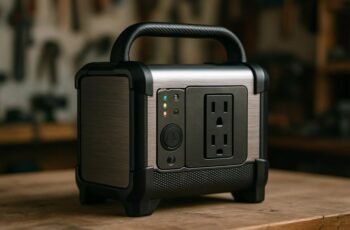
We’ll walk through safe, practical steps to store a portable generator when it’s not in use, from checking for leaks and corrosion to draining or stabilizing fuel and disconnecting the battery. We’ll keep it in a well‑ventilated, dry spot away from living areas and flames, with proper labeling and desiccants to curb moisture. After that, we’ll verify every connection and document maintenance, then decide what to tackle before the next power need arises.
Key Takeaways
- Choose a dry, well-ventilated outdoor area on level ground, away from living spaces, doors, vents, flames, and ignition sources.
- Drain or stabilize fuel per policy, store fuel in approved labeled containers, and remove mixed oil–gasoline residues.
- Disconnect the battery if idle long-term; store upright in a cool, dry spot, and use a smart charger if left connected.
- Inspect and protect electrical components; wipe surfaces, secure cords, and keep the unit away from heat sources and moisture.
- Maintain logs, run periodic checks, and keep a desiccant-based humidity control plan and proper spill kits on hand.
Prep Your Portable Generator for Safe Storage
Ready to store your portable generator safely? We approach storage with a practical, compliance-focused mindset. First, we inspect for leaks, corrosion, and loose wiring, addressing any issues before downsizing risk. We document fuel type, oil level, and battery condition, since consistent records support maintenance schedules and safety audits. We perform stability testing to confirm the unit sits securely on a flat, noncombustible surface and that ventilation remains unobstructed. We verify fuel compatibility, ensuring the correct fuel and any stabilizers are used per manufacturer guidance. We purge the carburetor if required, then drain or stabilize fuel according to policy only when appropriate for long-term storage. Finally, we cover the generator and store it in a dry, controlled environment, ready for compliant休?
Drain or Stabilize Fuel: What to Do With Gas
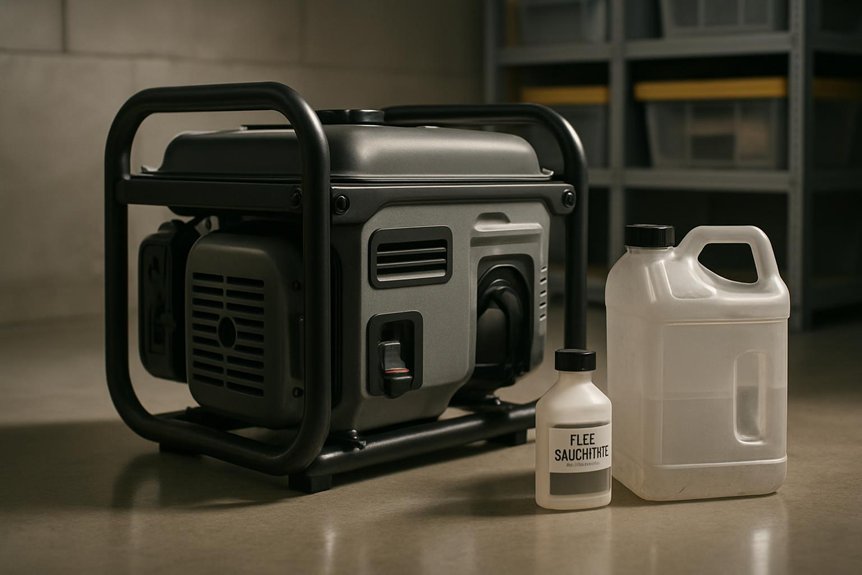
To handle fuel correctly, we start by deciding whether to drain or stabilize the gasoline based on how long the generator will sit. If storage is short-term (less than a month), we apply fuel stabilization and use a foolproof fuel stabilizer according to label directions. For longer layups, draining the tank and running the carburetor dry helps prevent varnish and gumming. We always remove any mixed oil–gasoline residues and store gasoline in approved, labeled containers away from heat sources. When stabilizing, we ensure the container is sealed tightly and labeled clearly, and we rotate stock to avoid old fuel. This approach supports safe gasoline handling, reduces corrosion risk, and keeps the system compliant with local regulations and manufacturer guidance.
Clean, Dry, and Protect Electrical Components
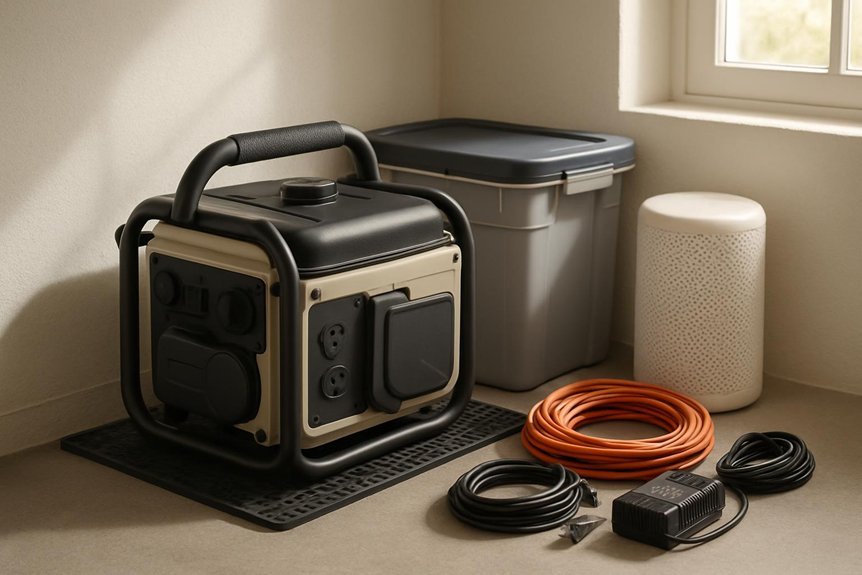
We’ll keep electrical components clean, dry, and protected to prevent corrosion, moisture intrusion, and short circuits. We approach this step with a practical, compliance-focused mindset, detailing actions that keep safety and performance intact. First, wipe down exterior surfaces and connections to remove dust, moisture, and residues. Use a soft brush or microfiber cloth and approved cleaners, avoiding harsh solvents near wiring. Then, ensure all exposed metal is dry and lightly protected with a thin coat of non-conductive protective spray where recommended by manufacturer guidelines. Inspect outlets, switches, and cables for wear or damage, replacing deteriorated parts promptly. Finally, prep your portable generator for safe storage by securing cords, covering vents, and storing in a clean, dry area away from heat sources.
Battery Care and Disconnection Tips
Should you store a generator battery correctly, you’ll extend its life and maintain dependable starts. We’ll focus on battery care and proper disconnect procedures to prevent corrosion and sulfation. Keep terminals clean, tight, and coated with a terminal protectant. Periodically check voltage; store at roughly 12.6–12.8 volts for a 12V battery, and avoid deep discharges. Use a smart charger or maintainer during storage, and disconnect or remove the battery if the unit sits long. For mobility, store upright in a cool, dry spot and prevent freezing. Table below highlights key points.
| Point | Action | Why it matters |
|---|---|---|
| Cleaning | Wipe, inspect | Reduces corrosion risk |
| Charging | Use maintainer | Prevents sulfation |
| Disconnect | Follow procedures | Ensures safety and longevity |
Choose a Safe, Well-Ventilated Storage Spot
We should store the generator in a ventilated space that’s also dry and protected from the elements. We’ll choose a location that stays free of exhaust fumes, flames, and ignition sources. Our goal is a safe, well-ventilated storage spot that minimizes moisture and hazards for year‑round compliance.
Ventilated Storage Space
Choosing a ventilated storage space is essential to safely store a portable generator when it’s not in use. We’re guiding you to a spot with airflow that prevents fuel fumes from accumulating and reduces ignition risk. Keep doors ajar or vents unobstructed, weather permitting, and avoid enclosed closets or basements. We’ll position the unit away from living areas, openings, and sources of flame. Regularly inspect the area for dust buildup and ensure a clear path for quick removal if needed. This approach supports generator safety by minimizing heat buildup and fume concentration. When handling fuel, store containers upright in a ventilated cabinet or auxiliary structure that’s resistant to spills. Follow label instructions, keep fuel off hot surfaces, and never top off while the engine is hot.
Safe, Dry Spot
A safe, dry spot means we pick a location that’s both away from ignition sources and protected from moisture. We choose a concrete, elevated surface with a drip-free roof, and ensure the area stays dry to prevent rust and fuel residue hazards. Our goal is compliance: proper ventilation, minimal exposure to chemicals, and clear access for inspection. We prioritize generator fuel safety by keeping spills contained and storing fuel away from the unit when not in use, with a sealed, approved container. We also maintain electrical insulation integrity, checking cords and outlets for wear. The spot should be designated, labeled, and free of reflectives and clutter.
- Elevation and drainage considerations
- Away from heat, flames, and sparks
- Sealed, approved fuel containers nearby
- Clear access for inspection and maintenance
- Regular safety checks and documentation
Seasonal Maintenance Before Long-Term Storage
Seasonal maintenance before long-term storage starts with a thorough inspection to identify any wear or fuel residue that could cause problems later; we’ll address it now to prevent failures when you restart the generator. We review air filters, spark plug condition, and fuel system components for signs of deterioration. We replace or clean parts as required, and we drain or stabilize fuel to minimize varnish buildup. We perform a controlled run to verify operation, noting any abnormal noises or heat. We document maintenance actions for compliance and future reference. We also check oil levels and corrosion protection, ensuring battery terminals are clean and connections secure. These steps support fuel efficiency, reduce wear, and promote noise reduction during startup and running. Proper seasonal checks protect reliability and extend service life.
Pest-Proof and Control Moisture in Your Shed
We’ll start with pest-proof shed design, ensuring gaps are sealed and airflow is controlled to deter pests. We’ll couple that with moisture control methods like proper ventilation, dehumidification, and prompt drainage to protect your generator. Finally, we’ll outline storage hygiene practices to keep the space clean and compliant, reducing contamination risks.
Pest-Proof Shed Design
Do we really need to overcomplicate shed design to keep pests out and moisture under control? We don’t think so, but smart, compliant design matters. Our approach blends practicality with predictable performance, prioritizing safe storage for your generator.
- Use sealed, rat-proof access doors and gaskets to minimize entry points
- Choose a wind-resistant shed with anchored foundations and secure bracing
- Elevate the unit on a non-porous, cleanable base to deter pests and spills
- Implement solid shelving and cord management to reduce clutter
- Install exterior seals, proper ventilation, and unobtrusive venting for airflow
These steps support generator maintenance while preventing pest intrusion and moisture buildup, aligning with regulations and best practices for a wind resistance shed.
Moisture Control Methods
To keep a shed dry and compliant, we prioritize moisture control through a combination of design and routine maintenance. We implement passive barriers, seal gaps, and monitor storage humidity. Regular vent checks and a desiccant plan help keep generator moisture at bay, ensuring safe operation when needed. Proactive humidity tracking guides our routine, not reactive fixes.
| Factor | Action | Outcome |
|---|---|---|
| Sealing | Inspect and reseal joints | Reduces entry of damp air |
| Ventilation | Maintain airflow | Lowers moisture buildup |
| Monitoring | Use hygrometer | Tracks storage humidity accurately |
Storage Hygiene Practices
What steps can you take to keep your shed pest-free while also controlling moisture? We’ll approach storage hygiene with practical checks, documentation, and consistent habits that support generator upkeep and fuel stewardship. Our aim is a compliant, tidy space that reduces pests and dampness, while protecting equipment. We’ll seal gaps, store fuels properly, and monitor humidity levels. Regular inspections help catch leaks, spills, or nesting early, minimizing risk to the generator and shed structure. Cleaning routines, cool storage temps, and dry ventilation are essential. We’ll label containers, follow disposal rules, and maintain spill kits. Adopting these practices supports safety, compliance, and reliability.
- Seal entry points and vents
- Store fuel correctly and label containers
- Use desiccants and monitor humidity
- Inspect for leaks and pests weekly
- Maintain logs for upkeep and stewardship
Do This Before the Next Power-Up
Before the next power-up, we’ll run through a quick, practical check to ensure your portable generator is ready and safe. First, confirm proper generator placement, keeping it outdoors, on a stable, level surface, with ample clearance from doors, vents, and flammables. Inspect cords, outlets, and the transfer switch if applicable, and test the exhaust path for unobstructed flow. Review your fuel policy: drain or stabilize fuel if stored long-term, replace old fuel, and ensure the fuel shutoff is in the correct position prior to startup. Check oil level and look for leaks, cracks, or loose hardware. Verify battery condition if your model uses one, and ensure grounding is intact. Schedule a short run to confirm normal operation and thermostat or RPM stability.
Frequently Asked Questions
How Often Should I Run a Stored Generator to Prevent Issues?
We should run the generator briefly every 1–2 months, then test fuel stabilization and battery maintenance to prevent varnish, corrosion, or dead batteries, ensuring compliance, reliability, and readiness for essential power when needed.
Can I Store a Generator Indoors if It’s off and Cool?
We don’t recommend indoor storage; even off and cool, generators emit fumes. We’ll prioritize indoor storage only in a well-ventilated, designated area with combustibles away, following safety considerations and compliance guidelines for safe operation.
What Safety Checks Should I Perform Before First Use After Storage?
“Safety first,” we say as we perform a thorough safety inspection, check fuel and oil levels, battery condition, cords, and vents, then confirm storage readiness before first use after storage, following practical, compliance-focused procedures.
Should I Remove Spark Plug and Store Separately?
Yes, we remove the spark plug and store separately, ensuring the area is dry; we use fuel stabilization in the tank if leaving unused briefly, and properly label, seal, and inspect all components before next start.
Do Generators Require Rust Protection During Long-Term Storage?
Yes, generators require rust protection during long-term storage. We implement storage rust prevention measures and plan for long term corrosion control, following practical, compliance-focused steps to ensure longevity and safe operation when you’re ready to use it again.
Conclusion
We’ll keep safety first as we store our portable generator. By draining or stabilizing fuel, disconnecting the battery, and sealing wiring, we reduce fire and corrosion risks. We’ll choose a dry, well‑ventilated spot away from living areas and heat sources, and monitor humidity with desiccants. Did you know that improper storage can double corrosion risk within six months? That stat underscores why our routine checks and logs matter—prepping now means a smooth restart later.