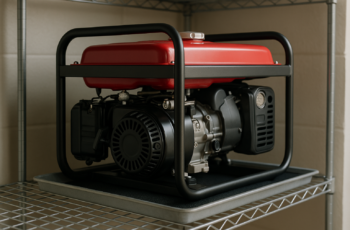
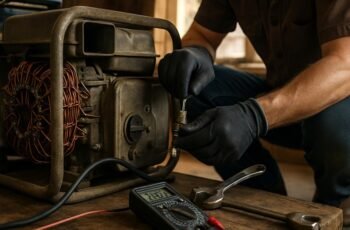
We’ve seen generators shut down due to fuel, air, electrical faults, or maintenance gaps. Poor fuel quality, dirty filters, or incorrect octane can trigger a protective shutoff during load. Air leaks, MAP sensor drift, or dirty intake upset the air-fuel balance and idle stability. Electrical faults, loose grounds, or bad wiring provoke fault codes and protections. We’ll walk through a clear, stepwise check to pinpoint the cause and keep it from returning.
Key Takeaways
- Check for fuel issues: poor quality, wrong octane, stale fuel, contamination, or filtration problems causing shutdown under load.
- Inspect air and vacuum integrity: leaks, cracked manifolds, or dirty filters can disrupt MAP readings and cause stalling.
- Examine electrical and grounding: loose connections, corrosion, or overloads triggering protective shutdowns or fault codes.
- Review diagnostic data: look for miscalibration, sensor faults, or mis-timed control logic tied to fuel/air management.
- Verify maintenance and safety protections: overdue filters, blocked cooling paths, and inappropriate reset procedures can lead to repeat shutdowns.
What Commonly Causes a Generator to Stall
Common reasons a generator stalls are fuel and airflow issues, plus electrical load and ignition problems. We approach this topic with precision, outlining concrete causes in a structured way. We inspect fuel supply continuity, noting that low pressure, contaminated fuel, or clogged filters can throttle operation. Airflow constraints, including blocked intake or exhaust, reduce the engine’s volumetric efficiency and stability. Electrical load mismatches, such as excessive startup demands or unstable generator coupling, provoke premature shutdowns. Ignition timing irregularities or coil faults disrupt consistent combustion, triggering stalling episodes. We avoid irrelevant topic discussions and focus on actionable causes. If a symptom aligns with one of these categories, we isolate the subsystem, verify connections, and test under load. Irrelevant topic and unrelated concept references don’t inform diagnosis.
Fuel Issues That Trigger Shutdowns
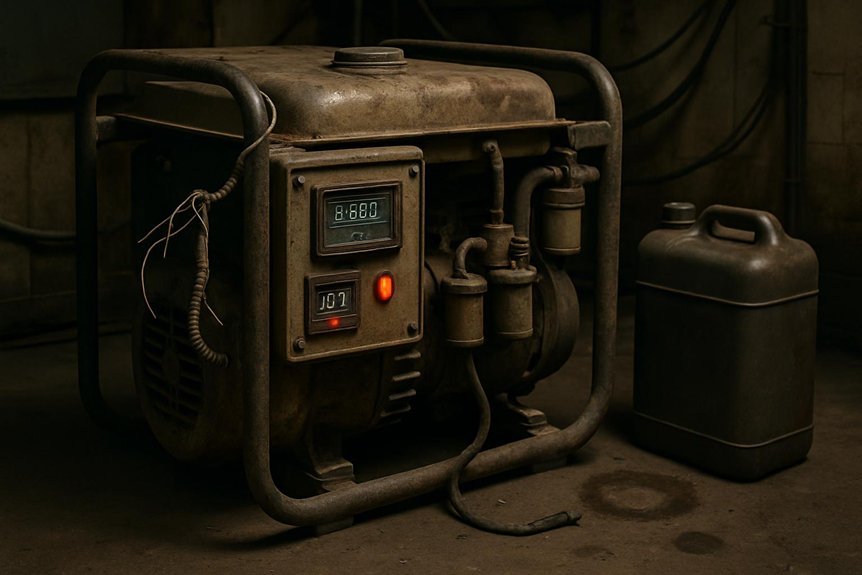
What fuel issues trigger shutdowns, exactly? We, readers, need precise causes that stop operation. We’ll stick to verifiable, technical factors and avoid digressions. We focus on how fuel conditions directly impact performance and safety, not unrelated systems.
- fuel quality and contaminant content
- improper fuel temperature or viscosity
- stale or degraded fuel leading to varnish buildup
- incorrect fuel mixture or wrong octane rating
We investigate how generator timing interacts with these factors, and how adjustments or replacements resolve shutdowns. We assess fuel supply integrity, filtration effectiveness, and line cleanliness. By isolating fuel problems, we prevent unnecessary system resets and reduce downtime. Remember, clean, appropriate fuel sustains stable output, while compromised fuel triggers protective shutdowns, often in tandem with timing drift or miscalibration. Adhering to specifications minimizes risk and enhances reliability.
Air and Vacuum Problems Causing Instability
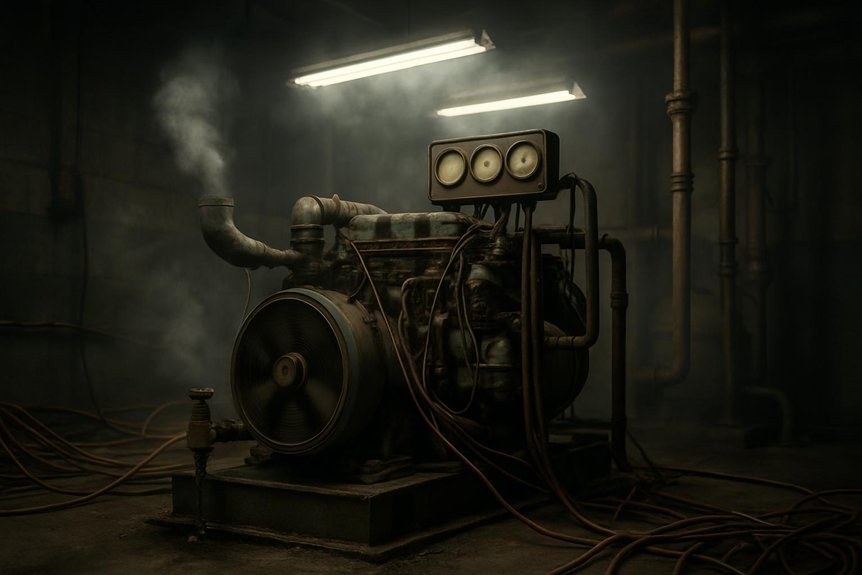
We examine how air intake fluctuations, vacuum leaks, and pressure stabilization affect generator stability. When intake pressure shifts or leaks occur, performance can falter and shutdowns may follow, so we identify and quantify each fault source. We’ll outline precise tests and corrective steps to restore consistent air flow and stable pressure.
Air Intake Fluctuations
Air intake fluctuations can destabilize a generator’s operation by creating vacuum or pressure variations that the engine cannot consistently compensate for. We examine how intake dynamics interact with airflow sensors and fuel metering, emphasizing quick, measurable effects on voltage regulation and RPM stability.
- Maintain consistent intake pressure through sealed ducts and clean filters
- Monitor sensor responses to sudden load changes and throttle position
- Inspect intake manifolds for leaks or crack flaws that alter airflow
- Calibrate air-fuel compensation to prevent misfires during transients
We emphasize methodical checks: verify filter condition, duct integrity, and vacuum line routing, then correlate intake readouts with voltage regulation behavior. Precision diagnostics prevent unnecessary restarts and improve reliability under variable loads.
Vacuum Leaks Impact
Could vacuum leaks silently undermine stability, or do tiny leaks produce outsized swings in pressure that throw the engine off its cadence? We examine how unsealed or degraded connections alter intake dynamics, shifting air/fuel ratios and sensor readings. A leak reduces manifold pressure, prompting the throttle to compensate and overcorrect, which can trigger misfires or shutdown events. In our generator maintenance routine, we map gasket integrity, hose routing, and vacuum hoses for cracks or disconnections, prioritizing critical paths near the intake and vacuum references. Small leaks matter because they skew MAP readings and fuel trims, degrading idle stability. Address leaks promptly, log symptoms, and verify repairs with pressure tests. Maintain reliable fuel storage practices, and ensure clean fuel delivery to support consistent operation between maintenance cycles.
Pressure Stabilization Methods
To stabilize pressure amid air and vacuum disturbances, we start by identifying the dominant leak paths and verifying their impact on MAP and fuel trims. We then implement targeted stabilization steps, monitor response, and iterate until MAP variance falls within reliability benchmarks. Our approach aligns with consumer expectations for consistent generator performance under load.
- Identify intake and exhaust bottlenecks, seal gaps, and confirm MAP stability with real-time trims.
- Calibrate vacuum regulators and bypass circuits to minimize pressure fluctuations.
- Validate sensor integrity, replacing drift-prone meters that skew readings.
- Record measurements, compare against reliability benchmarks, and adjust control logic to sustain steady operation under transient loads.
Electrical Faults That Shut Down Operation
We’ll start by identifying electrical fault indicators, then explain how overloads trigger tripping, and finally examine common wiring and grounding issues. Recognizing these faults helps us pinpoint why operation shuts down and how to prevent it. We’ll approach each point—with clear symptoms, causes, and corrective steps—for precise, actionable guidance.
Electrical Fault Indicators
Electrical fault indicators are critical signals that reveal when a fault is present and utility equipment is at risk of tripping. We monitor these indicators to isolate issues quickly and protect generator performance. Our approach is systematic: verify readings, correlate with recent events, and apply corrective steps per safety protocols. We focus on early warning signs that precede shutdowns, enabling timely maintenance and reduced downtime. By documenting indicators, we improve reliability and establish a repeatable diagnostic process for generator maintenance and operation.
- Visual alarm indicators and trip flags
- Abnormal voltage or current patterns
- Temperature spikes in switchgear or transformers
- Protective relay faults and communication errors
Overload And Tripping Causes
Overloads trigger protective actions that shut down the generator to prevent damage, so we prioritize identifying root causes and preventing recurrence. We evaluate current draw versus rating, confirm rated loads, and inspect startup surges. Tripping often arises from excessive load, poor sizing, or abnormal startup behavior, so we quantify simultaneous demand and sequence operations to avoid peaks. We also verify protective settings, breakers, and circuit breakers, ensuring they trip only at intended thresholds. If a fault mimics overload, we isolate nonessential circuits to test under controlled conditions. We communicate findings clearly, documenting unrelated topic and off topic discussion to avoid conflating issues. Our goal is repeatable, verifiable results that guide corrective action, reduce nuisance trips, and restore stable, safe generation without unnecessary shutdowns.
Wiring And Grounding Issues
Could wiring and grounding faults really trip a generator mid-operation, or is the issue simply a misconnection? We examine wiring and grounding issues with a methodical lens, focusing on reliability and impact. Wiring faults disrupt protection schemes and can alter phase relationships, causing unexpected shutdowns. Grounding issues create floating currents or improper fault paths, triggering protective devices or arcing hazards. We diagnose by tracing conductors, testing continuity, and verifying color codes and insulation integrity. We separate loose connections from damaged cables, then confirm proper grounding impedance and bonding. Document findings, repair to spec, and re-test under load. Implement preventive measures: standardized wiring layouts, durable connectors, and routine inspections.
- Loose connections and corrosion
- Damaged insulation and short circuits
- Improper grounding impedance
- Inadequate bonding to structures
Safety Protections: Overloads, Low Oil, and Fault Codes
Safety protections keep a generator from damage by stopping operation when faults or abnormal conditions occur. We implement overload, low oil, and fault-code responses to preserve both safety and longevity. When an overload occurs, the controller immediately reduces output or shuts down to prevent wiring or bearing damage, then prompts recheck of load demand. Low-oil sensing triggers a timed shutdown, protecting bearings and rings from insufficient lubrication. Fault codes communicate conditions such as sensor failure, improper grounding, or unsafe voltage, guiding rapid diagnostics. We design protections to operate consistently across environments, including outdoor noise considerations that may affect sensor interpretation. Solar applicability findings show protections remain reliable with modest alternator voltage fluctuations. In all cases, follow manufacturer resets and verify grid or generator isolation before restart.
Maintenance Habits That Prevent Unexpected Shutoffs
How can we prevent unexpected shutoffs before they happen? We stay proactive with a disciplined approach to upkeep and monitoring. Our maintenance schedule emphasizes timely checks, record-keeping, and repeatable procedures that minimize risk. Key focus areas include fuel system integrity, cooling performance, and control logic validation, all aligned with manufacturer recommendations. We prioritize proper generator ventilation to ensure airflow, heat dissipation, and safe operation under load. Regular inspections catch small anomalies before they escalate, reducing nuisance shutdowns and extending life. Consistency beats urgency; we schedule tasks, verify results, and adjust based on usage patterns. This discipline creates a predictable, reliable power source.
- Adhere to a written maintenance schedule
- Inspect cooling and ventilation paths for obstructions
- Log performance data and reset alerts promptly
- Verify fuel, oil, and air filters at defined intervals
Diagnosing Symptoms: Step-by-Step Troubleshooting Flow
Diagnosing symptoms begins with a structured checklist we follow step by step. We start by confirming operational basics: fuel level, oil status, and battery charge, then verify ignition, switches, and safety interlocks. We systematically observe runtime behavior, noting any stalling, surging, or intermittent shutdowns. Next, we perform a targeted inspection of generator anatomy, focusing on air intake, exhaust flow, cooling, and fuel filters. We assess electrical integrity, including wiring harnesses and connections, plus the regulator and alternator output. For mechanical cues, we compare noise analysis and vibration patterns against baseline norms, identifying abnormal rhythms or loose components. If issues persist, we isolate subsystems with controlled load tests, documenting all findings to guide corrective actions without speculation.
When to Call a Professional for Generator Shutdowns
When should you call a professional for generator shutdowns?
We, as technicians, recognize shutdowns can indicate safety or compliance risks. If shutdowns recur after basic troubleshooting, escalate. We assess fuel, electrical integrity, and cooling systems for faults beyond routine maintenance. If fault codes persist or alarms trigger at low loads, refrain from DIY fixes and consult trained personnel. Irrelevant topic and off topic discussion should be avoided in this evaluation, focusing strictly on system health and code compliance.
- Persistent, unexplained shutdowns despite initial checks
- Electrical faults, abnormal grounding, or arc fault indicators
- Cooling or fuel system failures visible during inspection
-odds of electrical shock, fire, or carbon monoxide risks
We’ll document symptoms, perform objective tests, and ensure professional calibration before recommissioning.
Frequently Asked Questions
Can Weather Conditions Trigger a Generator Shutdown Unexpectedly?
Yes, weather extremes can trigger shutdowns, and we diagnose systematically. We examine fuel quality and ambient temperature, monitor load, and verify venting. We report how weather affects engine sensors, and adjust maintenance to prevent unexpected outages.
Do Surges Affect Automatic Shutdown Systems Differently Than Manual Ones?
Surges can trigger automatic shutdowns more promptly than manual ones. We analyze surge timing to distinguish protection responses, noting automatic shutdowns engage immediately on abnormal input, while manual relies on operator judgment and intervention to reset after stabilization.
How Do Battery Health Issues Cause Generator Stalls?
Battery performance issues can stall a generator by reducing cranking amps and causing voltage dips, especially as hydrogel packs age. We estimate a 15% efficiency drop from degraded cells, affecting fuel stability and noise reduction.
Can Improper Venting Cause Overheating and Shutdowns?
We answer: improper venting can cause overheating shutdowns; we analyze weather triggers, unexpected shutdowns, surges vs shutdowns, automatic vs manual, battery health stalls, generator stalls, aftermarket accessories, void protections, and mitigation steps.
Do Aftermarket Accessories Void Safety Shutoff Protections?
We answer directly: aftermarket accessories can void safety shutoff protections. We monitor generator performance and fuel quality closely, using a methodical approach. We’ll assess impact, document findings, and ensure compliance, preserving performance while maintaining safe, reliable operation.
Conclusion
We’ve seen it a hundred times: a minor fuel varnish or a loose connection masks a bigger fault until the load drops. Consider this: a 5% drop in fuel octane or a single dirty filter can trip a shutdown; that’s not luck, it’s a system check. Treat every symptom as data, follow the diagnostic flow, and address root causes—filters, leaks, wiring, and oil level—before the next load demand. Preventive maintenance is your best protection.