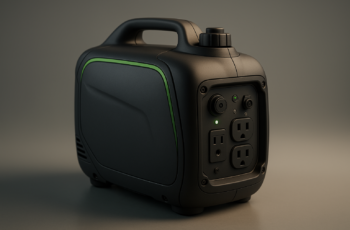
As you explore options for sustainable energy, eco-friendly generator alternatives offer practical solutions that minimize environmental impact. From solar panels to wind turbines, these technologies harness natural resources to produce power efficiently and quietly. But understanding how they work and whether they fit your needs requires more than just knowing their benefits. Consider what it takes to install, maintain, and cost these systems — and the potential they hold for your energy future.
What Are Eco-Friendly Generator Alternatives?
Eco-friendly generator alternatives are devices designed to produce power while minimizing environmental impact. These alternatives use cleaner energy sources or innovative technology to reduce emissions and conserve resources.
Solar panels harness sunlight to generate electricity without releasing pollutants, making them a popular choice for sustainable power.
Wind turbines capture the kinetic energy of wind, turning it into usable electricity with little to no harmful emissions.
Additionally, some advanced generators use biofuels or hybrid systems that combine traditional fuels with renewable energy, reducing carbon footprints.
Unlike conventional gasoline or diesel generators, these eco-friendly options focus on sustainability and efficiency.
Benefits of Using Eco-Friendly Generator Alternatives
Have you considered how switching to eco-friendly generator alternatives can benefit you and the environment? These options reduce harmful emissions, helping improve air quality and combat climate change.
They’re often more energy-efficient, saving you money on fuel and maintenance costs over time. By choosing cleaner energy sources, you minimize your carbon footprint and support sustainable practices.
Eco-friendly generators tend to be quieter, which means less noise pollution and more comfort for you and your neighbors. They also often use renewable resources like solar or wind power, ensuring a consistent supply without depleting natural resources.
Types of Eco-Friendly Generator Alternatives
There are several innovative alternatives to traditional generators that prioritize environmental sustainability. One popular option is wind turbines, which harness wind energy to generate electricity without emissions. They work well in windy areas and can produce power continuously when conditions are favorable.
Another alternative is bioenergy generators, which use organic materials like plant waste or animal manure to produce biogas or biofuels. These systems reduce waste and emit fewer pollutants.
Additionally, small-scale hydropower systems utilize flowing water to generate electricity, making them ideal for locations near streams or rivers.
Finally, portable fuel cells powered by hydrogen or other clean fuels provide reliable energy with minimal environmental impact.
Each of these options offers a sustainable way to meet your power needs while reducing your carbon footprint.
How Do Solar Power Generators Work?
Ever wonder how solar power generators turn sunlight into usable electricity? It all starts with solar panels, which contain photovoltaic cells that capture sunlight. When sunlight hits these cells, it excites electrons, creating a flow of direct current (DC) electricity.
This DC power then passes through an inverter, which converts it into alternating current (AC), the type used in your home appliances. The energy can be stored in batteries for later use or sent directly to power your devices.
Solar generators are silent, emission-free, and require minimal maintenance. They rely solely on sunlight, making them a sustainable alternative to traditional fuel-based generators.
Comparing Wind and Solar Generator Alternatives
When choosing between wind and solar generator alternatives, it’s important to consider their efficiency, reliability, and environmental impact.
Solar generators work best in sunny environments and require minimal maintenance, making them highly reliable in consistent sunlight.
Wind turbines, on the other hand, depend on wind availability, which can vary, but they often generate power continuously in windy areas.
Solar panels produce clean energy with no noise or emissions, whereas wind turbines can generate some noise and impact local wildlife.
Solar systems are scalable and easier to install in urban areas, while wind turbines need more space and suitable wind conditions.
Both options provide eco-friendly energy, but your choice depends on local climate, space, and your energy needs.
Factors to Consider When Choosing an Eco-Friendly Generator Alternative
Choosing the right eco-friendly generator depends on several key factors that influence its suitability for your specific situation.
First, consider your energy needs—whether you require a small backup for emergencies or a larger system for regular use.
Next, evaluate the available renewable resources in your area, such as sunlight or wind, to determine the most effective source.
You should also think about budget constraints, as some alternatives might have higher upfront costs but lower long-term expenses.
Portability and space are important too—if you need mobility, select a lightweight, compact model.
Lastly, check the environmental impact, ensuring the generator produces minimal emissions and noise.
Balancing these factors helps you choose an eco-friendly option that fits both your energy demands and environmental goals.
Installation and Maintenance of Eco-Friendly Generators
Are you prepared to install and maintain your eco-friendly generator effectively? First, carefully follow the manufacturer’s instructions during installation, ensuring proper placement away from windows and vents to avoid fumes. Keep the area well-ventilated and check local regulations for any permits needed.
Regular maintenance is key to keeping your generator running smoothly. Schedule routine inspections, clean filters, and check oil levels as recommended. Use eco-friendly cleaning products to prevent environmental harm.
Monitor performance regularly and address any unusual noises or issues promptly. Keep spare parts on hand for quick repairs.
Staying proactive with maintenance not only extends your generator’s lifespan but also ensures it operates efficiently and safely, reducing environmental impact and avoiding costly repairs down the line.
Cost Analysis of Eco-Friendly Generator Alternatives
Have you ever wondered if eco-friendly generator alternatives are truly cost-effective in the long run? The initial investment might be higher than traditional generators, but many eco-friendly options save you money over time.
Solar panels, for example, have low operating costs since sunlight is free, and maintenance is minimal.
Wind turbines, while more expensive upfront, can generate significant energy with little ongoing expense.
Battery storage adds to the initial costs but offers energy reliability and savings.
Gas-powered biogas generators may have moderate costs, but their fuel is often cheaper and renewable.
When evaluating these options, consider long-term savings on fuel, maintenance, and potential incentives or tax credits.
Real-Life Use Cases of Eco-Friendly Power Solutions
Many communities and businesses are already putting eco-friendly power solutions into action, demonstrating their practical benefits. For example, some remote villages use solar-powered generators to ensure consistent electricity without relying on diesel fuel, reducing costs and pollution.
Urban cafes install small wind turbines to offset their energy use, cutting expenses and lowering their carbon footprint. Event organizers employ portable solar panels to power outdoor festivals, eliminating the need for noisy, polluting generators.
In commercial settings, companies adopt bioenergy systems that utilize waste materials to generate electricity, turning waste into a valuable resource. These real-life applications show how eco-friendly solutions provide reliable, cost-effective power while promoting environmental sustainability.
Future Trends in Eco-Friendly Generator Technology
What advancements can we expect in eco-friendly generator technology in the coming years? You’ll likely see increased use of renewable energy sources like solar and wind powering portable generators, reducing reliance on fossil fuels.
Battery technology will continue to improve, offering longer-lasting, faster-charging, and more efficient energy storage options.
Expect hybrid systems that seamlessly combine different green energy methods, optimizing performance and reducing emissions.
Innovations in lightweight, durable materials will make eco-friendly generators more portable and resilient.
Additionally, smarter control systems with AI integration will enhance energy efficiency and user control.
These trends will make eco-friendly generators more accessible, reliable, and versatile, helping you reduce your carbon footprint while maintaining consistent power during emergencies or off-grid situations.
Conclusion
Switching to eco-friendly generator alternatives helps you reduce your carbon footprint while providing reliable power. Whether you choose solar, wind, or bioenergy, these options offer sustainable, quiet, and cost-effective solutions. With advancements in technology making them easier to install and maintain, you can confidently embrace cleaner energy for your home or business. Making the switch not only benefits the environment but also supports a greener, more sustainable future for everyone.