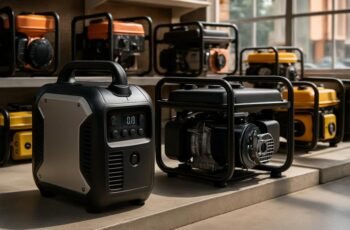
We can assess whether a generator can run on multiple fuel types by examining fuel delivery paths, seals, and materials for cross-contamination, then aligning control logic to recognize each option without compromising performance. Our approach is methodical: inspect components, verify adapters, calibrate timing, and conduct controlled tests with safety interlocks and leak checks in place. If gaps appear, we pause to document and reassess before proceeding, ensuring reliability and compliance as we move forward.
Key Takeaways
- Multi-fuel conversion requires compatible fuel system design, seals, and materials to prevent cross-contamination.
- Firmware, control logic, and safety interlocks must recognize fuel types without performance loss.
- Complete readiness checks: ventilation, storage, labeling, and fuel compatibility documentation.
- Post-conversion: calibrate timing, carbs, and perform controlled emissions testing for each fuel.
- Maintain thorough records of deviations, corrective actions, and safety/labor impacts for reliability.
Do You Need a Multi-Fuel Generator? Readiness and Risks
Do you need a multi‑fuel generator? We begin by assessing readiness and risks to determine if multiple fuels are advantageous for your operation. We evaluate duty cycle, load profiles, and maintenance access, then compare the benefits of multi fuel compatibility with fixed‑fuel setups. We consider fuel availability, storage limits, and environmental constraints that could influence reliability. Safety considerations guide our decision: we inspect ventilation, heat dissipation, and emission controls, ensuring shutdown and alarm systems respond to fuel changes. We quantify potential fuel‑type interactions with seals, gaskets, and carburetion to avoid adverse effects. If your analysis shows consistent supply, predictable loads, and compliant safety margins, proceed with targeted testing. Otherwise, we advise focused alternatives or single‑fuel optimization before pursuing broader fuel versatility.
What Makes a Generator Compatible With Multiple Fuels?
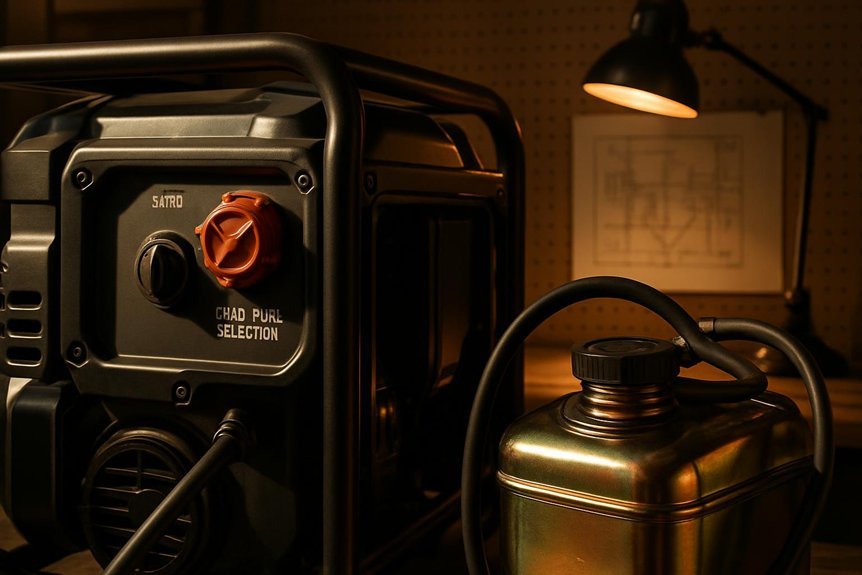
A generator’s compatibility with multiple fuels hinges on three core factors: fuel system design, control logic, and safety interlocks. We frame the discussion around concrete design considerations that govern fuel compatibility, ensuring predictable performance across fuels while limiting risk. Our methodical approach targets measurable outcomes and traceable configurations.
- Identify compatible fuel delivery paths, seals, and materials to prevent cross-contamination.
- Validate firmware and switch logic to recognise fuel types without compromising ramp rates or shutdown sequences.
- Confirm interlock sequencing preserves safe operation during transitions and failure modes.
- Assess compliance, documentation, and testing to address regulatory hurdles before deployment.
These steps clarify cost implications and ensure consistent behavior across fuel options, guiding reliable, compliant multi-fuel capability.
Is Your Generator Ready? Readiness Checklist for Multi-Fuel Use
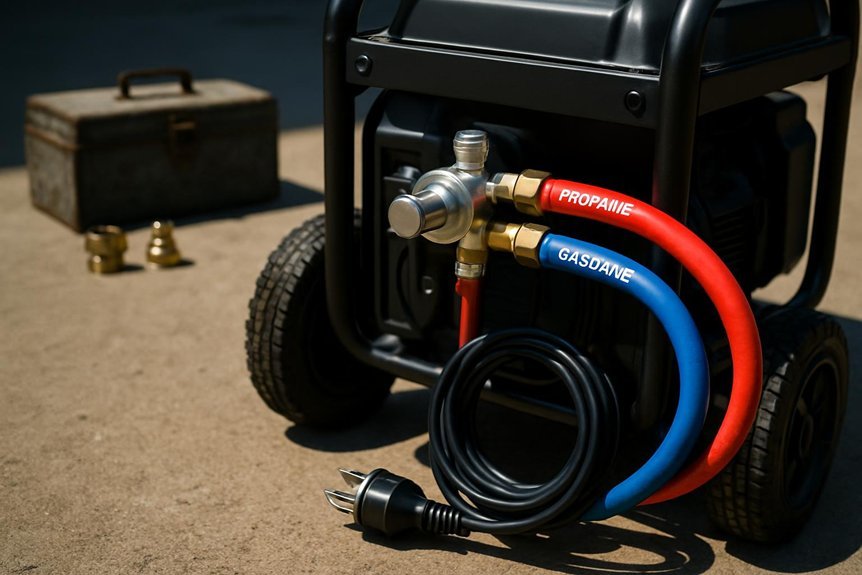
Is your generator truly ready for multi-fuel operation? We begin with a disciplined readiness check that minimizes risk and maximizes reliability. Confirm fuel compatibility across all targeted fuels, documenting any manufacturer limitations, required additives, or de-rating guidance. Inspect the fuel system for seals, gaskets, and lines for signs of deterioration or cross-contamination, replacing as needed. Verify carburetor or injection cleanliness and ensure fuel filters meet specification for each fuel type. Assess storage and operational conditions: stable temperatures, away from ignition sources, and within recommended humidity ranges. Review fuel storage practices, labeling, and rotation intervals to prevent stale or incompatible batches. Finally, validate that fuel selection changes trigger no alarms or fault codes, and rehearse startup sequences under load to confirm stable performance.
Safe, Step-by-Step Multi-Fuel Conversion
To convert safely, we follow a disciplined, step-by-step procedure that prioritizes reliability and measurable outcomes. Our approach targets fuel-system integrity and refueling-safety controls, with clear, testable checkpoints.
To convert safely, we pursue a disciplined, step-by-step approach focused on fuel-system integrity and refueling-safety controls with clear, testable checkpoints.
- Inspect components: verify seals, clamps, and lines for compatibility with each fuel type.
- Install rated hardware: select adapters, filters, and vents matched to the chosen fuels.
- Calibrate timing and carburation: adjust RPM and mixture for each modality, documenting settings.
- Validate procedures: conduct controlled runs, monitor temperatures, pressures, and emissions, then log results.
We emphasize proper shutdowns, leak checks, and secure storage between fuels. This methodical protocol minimizes cross-contamination and ensures repeatable performance across fuel types, prioritizing fuel system integrity and refueling safety at every stage.
Common Pitfalls and How to Avoid Them
What are the most common missteps when converting a generator for multi-fuel operation, and how can we prevent them? We approach this systematically: verify fuel compatibility before changes, confirm carburetion and fuel delivery are tuned for each option, and document all settings. Avoid mixing incompatible components; use correct gaskets, seals, and fuel lines rated for each fuel type. Anticipate vapor pressure and octane differences that affect ignition timing and power output. Implement a formal risk assessment to flag potential overheating, wet stacking, or fuel metering errors. Use modular components that enable clean swaps and lab-tested adapters. Test under controlled loads after each change, logging performance data. Emphasize fuel compatibility and risk assessment in planning to minimize cross-contamination and reliability issues.
Maintenance, Emissions, and Safety After Conversion
We must monitor maintenance impacts after conversion, documenting changes to service intervals and part wear to sustain reliability. We’ll address emissions compliance parameters and required testing steps to verify ongoing performance. Finally, we’ll outline safety precautions post-conversion, including startup checks, fuel handling changes, and incident response.
Maintenance Impacts After Conversion
Thus, after converting a generator to run on multiple fuel types, maintenance demands become more nuanced and ongoing, with distinct implications for reliability, emissions, and safety. We approach this systematically to minimize downtime and control costs. Key impacts include monitoring fuel quality, balancing wear across components, and documenting a maintenance backlog that accumulates if scheduling gaps occur. We also assess emission tradeoffs as different fuels introduce varying combustion byproducts, requiring targeted inspections rather than generic intervals. To illustrate, consider:
1) fuel system cleanliness checks
2) valve and injector wear profiling
3) filter and sensor calibration
4) lubrication regimen adjustments
This disciplined approach preserves performance, limits unplanned outages, and sustains safe operation under diverse fuel conditions.
Emissions Compliance Considerations
Have you considered how emissions compliance shifts after a generator is converted to run on multiple fuel types? We approach this topic methodically, outlining testing steps, documentation, and ongoing monitoring. Emissions compliance hinges on verified fuel compatibility and aligned engine mapping, so we must confirm that emission-related components respond predictably across all fuels. We perform emissions testing for each fuel family, comparing baseline data to post-conversion results, and document any deviations with corrective action plans. We also assess sensor inputs, fuel delivery tolerances, and combustion timing to ensure regulators’ limits remain intact. Regulatory labeling, warranty impact, and maintenance scheduling are reviewed to preserve compliance continuity. We insist on traceable records, repeatable procedures, and prompt remedial steps if performance drifts beyond acceptable thresholds.
Safety Precautions Post-Conversion
After addressing emissions compliance for each fuel family, we now focus on safety precautions after conversion, covering maintenance, emissions integrity, and general safety. We outline controlled steps to preserve fuel compatibility and minimize safety risks through disciplined practices.
- Verify all fuel lines, seals, and connections for each installed fuel type before operation.
- Establish a maintenance schedule documenting calibration, filter changes, and fuel system inspections.
- Test safety interlocks and shutdown procedures after any fuel switch to confirm proper function.
- Monitor exhaust and sensor readings for anomalies, addressing deviations promptly to prevent unsafe conditions.
We emphasize consistent documentation and immediate corrective action to sustain safety and performance without compromising fuel compatibility or elevating risk.
Frequently Asked Questions
Can a Standard Generator Be Converted Without Losing Warranty?
Yes, a standard generator can be converted without voiding the warranty if performed by a certified technician under an approved plan. We follow conversion warranty requirements and safety certifications, documenting components, tests, and warranty-compliant procedure steps for auditing.
Do Multi-Fuel Conversions Affect Efficiency or Runtime?
Yes, multi-fuel conversions can reduce efficiency slightly and shorten runtime under certain fuels. We assess conversion cost and durability impact meticulously, maximizing compatibility while preserving reliability. We analyze fuel-specific losses, maintaining precision and transparent, data-driven recommendations.
Which Fuels Are Legally Permitted for Portable Generators?
We say: legality varies by jurisdiction, so we verify local rules; fuel compatibility depends on generator design. We follow conversion legality guidelines and use appropriate certified fuels, avoiding illegal blends or uncertified adaptations for safe, compliant operation.
How Does Fuel Quality Impact Conversion Reliability?
Yes, fuel quality directly affects conversion reliability. We assess fuel quality, monitor impurities, and use clean storage to preserve legality of portable generators while ensuring a precise, methodical approach to conversion reliability under regulated guidelines.
Are There Safety Certifications Required After Conversion?
Converters must comply with mandatory safety certifications after any conversion. We ensure convertibility safety and fuel legality by documenting tests, using approved components, and verifying emissions; we maintain records and follow regulatory guidance for reliable operation.
Conclusion
We’ve laid out a careful path to multi-fuel capability, emphasizing compatibility checks, precise adapters, and interlocks to prevent cross-contamination. Following our methodical steps—inspection, calibration, leak testing, and controlled validation—keeps you safe and compliant. We’ll document every decision and result to ensure traceability and reliability. If you proceed, you’ll see that the risk is real but manageable with discipline. It’s a feather in your cap, but tread carefully and respect the process.