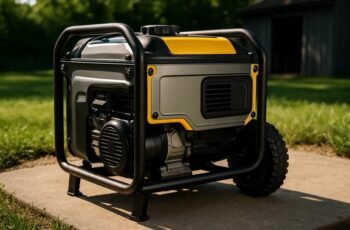
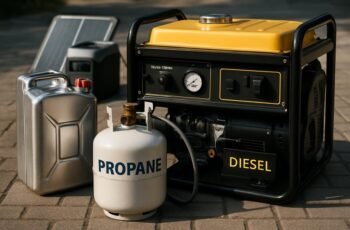
We learned the hard way that a quiet generator in the shed can still fail at dawn if we skip weekly checks. The cadence you choose—weekly during heavy use, biweekly to monthly for light use, and quarterly for full service—drives reliability and lifespan. We’ll outline seasonal tasks, post-use storage steps, and the key checks like fuel quality, oil, air filters, and spark plugs. Keep pace with your usage, and you’ll avoid downtime—and uncover what to adjust next.
Key Takeaways
- Maintenance cadence should follow runtime, usage environment, and manufacturer guidance to minimize downtime and extend life.
- Weekly checks prevent breakdowns: inspect exterior, test fuel system, oil level, battery connections, and air filters.
- Seasonal tasks by quarter: spring startup, summer cooling, fall fuel care, and winter storage for reliable operation.
- Use-level cadence aligns with heavy, moderate, or light use to avoid gaps and unnecessary work.
- After-use storage practices, including running to temperature, stabilizing fuel, changing oil, and proper storage, protect longevity.
How Often Should You Service a Portable Generator?
How often should you service a portable generator? We approach maintenance with precision and a steady cadence. We assess runtime, usage environment, and manufacturer guidance to set a practical schedule. Our routine centers on proactive checks rather than reactive fixes, minimizing downtime and extending life. We document servicing intervals, noting any deviations from normal operation. We verify fuel quality and system integrity during each service window, ensuring start-up reliability and safe operation. We perform non-disruptive inspections first, then targeted action. Two word ideas one line: fuel maintenance, oil replacement. We follow clean procedures, using proper PPE and calibrated tools. We record findings, plan follow-up steps, and adjust frequency as conditions change. By this method, we maintain consistency, reduce failures, and protect performance.
Portable Generator Weekly Checks to Prevent Breakdowns
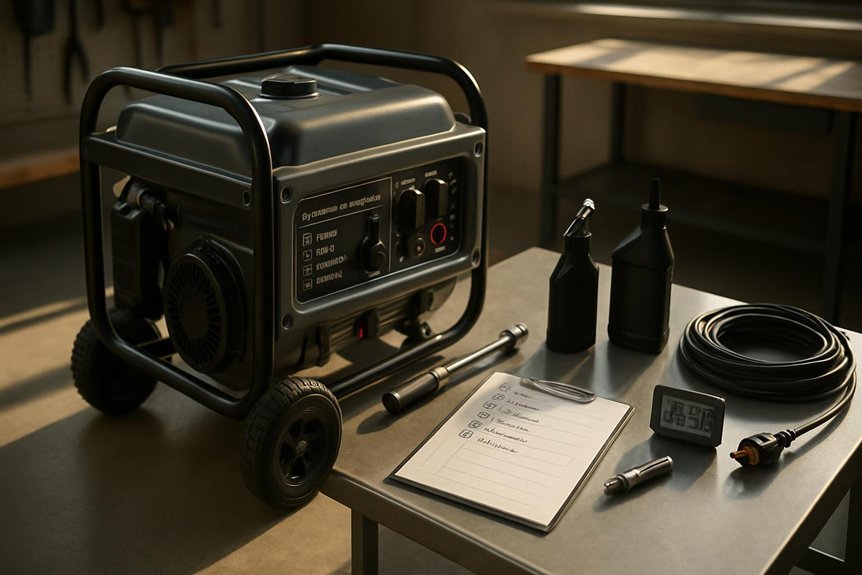
Weekly checks keep a portable generator reliable when you need it most. We outline a concise routine that fits on any workbench. First, inspect the exterior for damage, and test the fuel system for leaks. If you smell fuel, don’t run it; address seals or hoses first. Next, check oil level and quality, changing if dark or low, then run the engine for a few minutes to bring it to operating temperature. Verify the battery, terminals, and charging circuit are clean and connected. Confirm air filters are clean or replace as needed, and inspect spark plug condition. Finally, perform a quick pull-test or start via switch to confirm it delivers power. These weekly checks emphasize preventive maintenance to prevent breakdowns.
Seasonal Maintenance Tasks by Quarter for Reliability
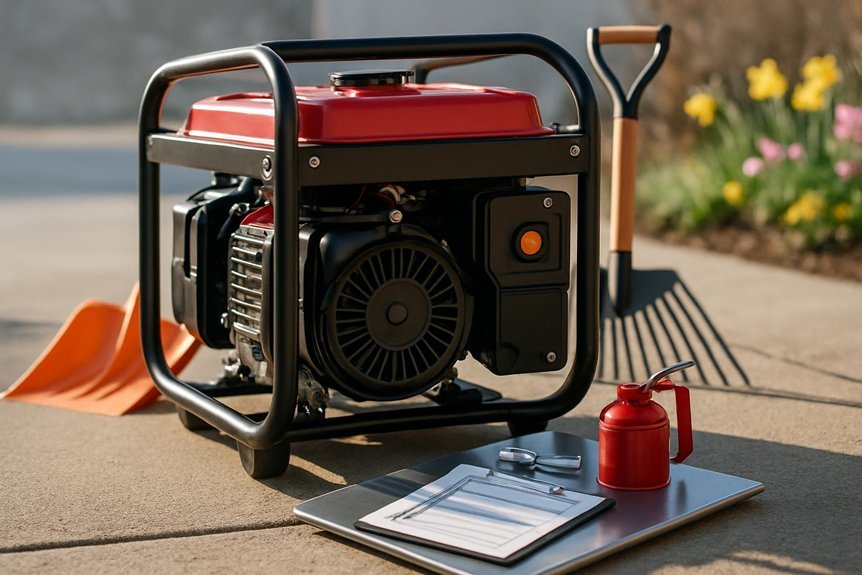
With weekly checks established, we now shift to seasonal planning that keeps a portable generator reliable year-round. We present quarterly tasks to maintain seasonal readiness and prevent drift in performance. First Quarter focuses on spring startup: inspect air filters, test oil levels, and verify battery health after storage. Second Quarter emphasizes summer readiness: check cooling airflow, clean the radiator area, and confirm fuel stability for longer runs. Third Quarter targets fall upkeep: inspect spark plugs, drain old fuel from storage, and replace gasoline stabilizer as needed. Fourth Quarter closes the year with winter precautions: coat external components, test the generator under load, and store with fresh fuel and stabilizer. Clear records ensure predictable reliability, reduced failures, and safer operation.
Maintenance Cadence by Use Level: Heavy, Moderate, and Light
We tailor maintenance cadence to how often you use the generator: Heavy, Moderate, or Light. We align tasks with use level distinctions to ensure reliability without overdoing checks. Heavy use demands frequent inspections, timely oil changes, and filter swaps. Moderate use stretches intervals, but we still perform essential electrical checks and fluid levels. Light use lets us extend cadence while targeting ignition, battery health, and spark plug checks. Below is a practical cadence summary you can follow.
| Use level distinctions | Recommended cadence |
|---|---|
| Heavy | Weekly checks, monthly oil/filter changes, quarterly service |
| Moderate | Biweekly checks, quarterly oil/filter, semiannual service |
| Light | Monthly checks, biannual oil/filter, annual service |
After-Use Storage Tips to Extend Your Generator’s Lifespan
After-Use storage is a critical step in preserving your portable generator’s reliability. We approach this with a concrete checklist to minimize wear and corrosion. First, run the engine until it reaches normal operating temperature to burn off residual fuel, then drain or stabilize fuel as recommended by the manufacturer. Next, change the oil and inspect for contamination or metal shards, noting any deviations. Clean the exterior, vent openings, and air filters, and store with the hood open enough to allow ventilation. Disconnect the battery, keep terminals clean, and apply a light coating of protection if advised. Store in a dry, elevated area away from chemicals. With consistent after use storage, lifespan extension is achievable through reduced moisture exposure and contaminant buildup.
Frequently Asked Questions
How Often Should I Replace the Generator’s Spark Plug?
We should replace the spark plug every 100 hours of use or annually, whichever comes first, as part of our spark plug replacement cadence, while we store ethanol free fuel properly and consider indoor testing safety and battery maintenance.
Should I Use Ethanol-Free Fuel for Storage?
Yes, we should use ethanol-free fuel for storage. Like a recent camper’s experience, we stored with ethanol-free fuel and ran battery maintenance checks quarterly. This reduces varnish buildup and preserves starting reliability for long storage periods.
Do Aerosols or Cleaners Affect Generator Emissions?
We’ve found that aerosols or cleaners can affect generator emissions; avoid aerosol exposure near the exhaust, and minimize cleaner interactions around hot parts. We’ll keep handling precise, safe, and isolated to prevent any misfires or contamination.
Can I Run a Generator Indoors for Testing?
We can’t run a generator indoors; exhaust safety demands outdoor testing. We’re careful, precise, and methodical: we avoid indoor testing, set up proper ventilation, monitor emissions, and insist on outdoor exhaust for any testing.
What’s the Ideal Battery Maintenance Schedule for Electric Start?
We’ll implement a battery maintenance scheduling routine: check fluid levels, clean terminals, and perform full discharge-recharge cycles monthly to ensure electric start reliability, plus yearly professional testing. This keeps our portable generator dependable for all essential needs.
Conclusion
We maintain a steady cadence: weekly checks during heavy use, biweekly to monthly for light use, and quarterly, seasonally aligned service for reliability. After-use storage means stabilizing fuel, draining fluids as needed, and changing oil. Always verify fuel quality, battery, air filters, and spark plugs, logging any deviations to minimize downtime. Ready to implement? How will you translate these steps into a simple, repeatable routine that keeps your generator dependable for years to come?