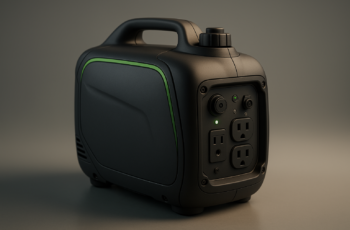
Choosing between batteries and fuel generators depends on your specific power needs and priorities. Each offers distinct advantages and drawbacks that can impact your decision. Understanding how they work, their costs, and environmental effects can help you make an informed choice. But which option truly fits your situation? Exploring these factors can reveal the best solution for reliable, efficient energy—something you’ll want to carefully consider as you plan your power setup.
What Key Factors Should You Consider When Choosing a Power System?
When choosing a power system, understanding the key factors that influence your decision is essential. First, consider your power needs—how much energy do you require and for how long? This helps determine if a battery system, which offers quick bursts of power, or a fuel generator, suited for continuous, high-demand use, is better.
Next, think about mobility; if you need portability, batteries are lighter and easier to move. Cost is also crucial—initial investment and ongoing expenses differ significantly.
Environmental impact matters too, with batteries generally being cleaner. Finally, assess the operating environment. Harsh, remote locations might favor fuel generators, while urban or eco-conscious settings lean toward batteries.
Evaluating these factors ensures you select the most suitable power system for your needs.
How Do Battery-Powered Systems and Fuel Generators Work?
Battery-powered systems store electrical energy in rechargeable cells, which can quickly supply power when needed. When you turn on a device, the stored energy flows from the batteries through circuits, powering your equipment.
These batteries, often lithium-ion or lead-acid, convert stored chemical energy into electrical energy through electrochemical reactions. Charging involves supplying electricity to reverse these reactions, restoring the battery’s capacity.
Fuel generators, on the other hand, burn fuel such as gasoline, diesel, or propane to produce mechanical energy through internal combustion. This mechanical energy drives a generator’s rotor, converting it into electrical power.
While batteries provide immediate, clean power without emissions, generators produce energy by combustion, requiring fuel refills and emitting exhaust gases. Each system operates on fundamentally different principles suited to different needs.
Which Is More Cost-Effective: Batteries or Fuel Generators?
Determining which option is more cost-effective depends on your specific needs and usage patterns.
Batteries typically have higher upfront costs but lower ongoing expenses since they don’t require fuel. Over time, they can be more economical if you need reliable power for short durations or regular use, especially with advancements in battery technology lowering prices.
Fuel generators often have lower initial costs but incur ongoing fuel and maintenance expenses. If you need power intermittently or for long periods, generators might become more expensive over time.
Consider your power needs, frequency of use, and budget. For consistent, short-term use, batteries may save you money. For occasional or extended emergencies, generators could be more cost-effective despite higher operational costs.
Are Batteries or Fuel Generators More Eco-Friendly?
Both batteries and fuel generators impact the environment in different ways, and understanding their eco-friendliness involves examining their emissions, resource use, and waste.
Batteries produce no emissions during operation, making them cleaner in terms of air quality. However, their manufacturing involves mining for raw materials like lithium and cobalt, which can harm ecosystems. Recycling batteries helps reduce waste, but improper disposal poses environmental risks.
Fuel generators emit greenhouse gases and pollutants during use, contributing to air pollution and climate change. They rely on fossil fuels, which are finite resources and produce more carbon emissions.
While generators may have a shorter lifespan and generate waste from fuel containers and parts, batteries offer a cleaner, more sustainable energy source overall. Your choice depends on balancing immediate environmental impact and long-term sustainability.
Can You Rely on Batteries or Generators During Power Outages?
During power outages, the reliability of batteries and generators becomes a key concern. Batteries can provide immediate backup power, especially for short outages, but their capacity is limited, so they mightn’t last long during extended outages. You’ll need to ensure they’re fully charged beforehand.
Generators, on the other hand, can typically run longer and produce more power, but they require fuel and proper maintenance to stay operational. If fuel supplies are available, they can be dependable for extended outages.
However, both systems can fail if not properly prepared or maintained. Overall, batteries are more reliable for quick, short-term outages, while generators are better suited for prolonged disruptions. Your choice depends on the outage duration and your preparedness level.
What Maintenance Do These Systems Require?
Maintaining batteries and generators requires regular attention to ensure they operate effectively when needed. With batteries, you need to check the charge levels regularly and keep terminals clean to prevent corrosion. It’s also essential to store them properly in a cool, dry place and perform periodic capacity tests.
For fuel generators, routine maintenance involves changing the oil, replacing filters, and inspecting spark plugs. You should also run the generator periodically to keep the engine parts lubricated and prevent fuel from degrading.
Both systems benefit from keeping detailed maintenance logs. Additionally, inspecting wiring and connections regularly helps prevent malfunctions.
Proper upkeep ensures your power solutions remain reliable and extend their lifespan, saving you money and stress during emergencies.
Which Power Solution Is Right for Your Needs?
Choosing the right power solution depends on your specific needs, budget, and usage scenarios. If you need reliable, quiet, and eco-friendly power for everyday use or emergencies, batteries are a great choice. They’re low maintenance and ideal for short-term or portable needs.
On the other hand, if you require high power output for extended periods, fuel generators are more suitable. They’re better for construction sites, outdoor events, or backup power where longer run times are necessary.
Consider your environment too—batteries perform well indoors, while fuel generators handle outdoor conditions better.
Your decision should balance upfront costs, ongoing maintenance, noise levels, and environmental impact. By evaluating these factors, you can choose the solution that best aligns with your power demands and lifestyle.
Conclusion
Choosing between batteries and fuel generators depends on your specific needs. If you prioritize eco-friendliness, portability, and short-term use, batteries are a great choice. However, for longer-lasting power during extended outages, a fuel generator might be more suitable. Consider your budget, environmental impact, and maintenance willingness. By weighing these factors carefully, you can select the power system that best fits your lifestyle and ensures reliable energy when you need it most.