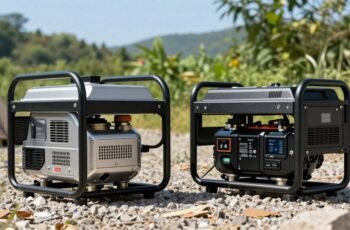
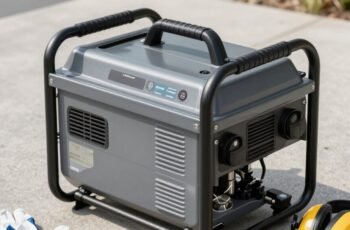
Like a compact engine driving innovation, selecting the right small-space generator requires a careful balance of power, portability, and safety features. We recognize that in confined environments, every watt and decibel counts, making the choice more than just about size. With advancements in inverter technology, fuel efficiency, and noise reduction, the market offers various options that meet these stringent demands. To navigate these choices effectively, it’s essential to analyze key features and performance metrics that align with your specific needs.
Key Takeaways
- Choose models with appropriate power output to handle essential devices without excess capacity.
- Prioritize lightweight, compact designs for easy portability and storage in small spaces.
- Look for low-noise operation to minimize disruption in confined areas.
- Ensure safety features like overload protection and automatic shutdown for reliable use.
- Consider fuel efficiency and tank capacity for longer runtimes and reduced refueling needs.
How to Choose the Right Compact Portable Generator for Small Spaces

When selecting a compact portable generator for small spaces, it’s essential to prioritize both power output and size to guarantee ideal functionality without sacrificing portability. We analyze the specific wattage needs of your devices, verifying the generator’s rated and surge capacities meet or exceed those demands. Compact sizes often limit engine capacity, so understanding the balance between power and portability is critical. Consider the efficiency of the engine, fuel consumption rates, and noise levels, as these influence operational practicality in confined environments. Additionally, evaluate the generator’s build quality and heat dissipation features to prevent overheating during extended use. By focusing on these technical parameters, we confirm the chosen generator provides reliable power, maintains portability, and fits seamlessly into small-space applications.
Key Features to Look for in Small-Space Generators
Selecting a small-space generator requires attention to specific features that guarantee peak performance within confined environments. Key considerations include power output, which must match your essential load without excess capacity to maintain efficiency. Noise level is critical; quieter models minimize disruption in tight quarters. Portability features like compact dimensions and lightweight design enhance maneuverability and storage. Safety features such as overload protection, automatic shutdown, and circuit breakers are essential for reliable operation. Fuel efficiency and tank capacity determine runtime, influencing convenience and planning. Additionally, inverter technology provides stable power suitable for sensitive electronics, a crucial aspect in small spaces. Finally, durability and build quality ensure longevity despite frequent transport and limited storage options. Focusing on these features helps identify generators optimized for small-space applications.
Comparing Top Compact Portable Generators on Performance and Portability
To effectively compare top compact portable generators, we must evaluate their performance metrics—such as power output, fuel efficiency, and runtime—alongside their portability features, including size, weight, and handling ease. Performance metrics determine suitability for various devices and operational duration, while portability features impact usability in confined spaces.
Assess performance and portability features to choose the best compact portable generator for your needs.
Key considerations include:
- Power-to-weight ratio: Higher ratios enhance mobility without sacrificing power.
- Fuel consumption rates: Lower rates maximize runtime and reduce refueling needs.
- Size-to-capacity ratio: Smaller footprints with sufficient power improve storage and transportability.
Tips for Using Your Small-Space Generator Safely and Efficiently
Using your small-space generator safely and efficiently requires understanding its operational nuances and adhering to best practices. Proper ventilation is critical; always operate the generator outdoors in a well-ventilated area to prevent carbon monoxide buildup. Load management is equally important—avoid overloading the unit beyond its rated capacity, which can cause overheating or damage. Fuel handling must be precise: use the recommended fuel type and store it properly, ensuring the engine is cool before refueling. Regularly follow manufacturer guidelines for startup and shutdown procedures to prevent electrical surges and mechanical stress. Additionally, monitor oil levels and perform routine inspections to identify potential issues early. These measures optimize performance, extend lifespan, and maintain safety during operation, ensuring reliable power supply in small, confined spaces.
Maintenance and Troubleshooting for Long-Lasting Power in Compact Generators
Maintaining your compact generator is essential for ensuring reliable performance over time, especially since small units are often subjected to frequent use in diverse environments. Proper maintenance minimizes breakdowns and extends operational lifespan. To optimize longevity, focus on these critical areas:
- Regular Oil Checks and Changes: Consistently monitor oil levels and replace oil at manufacturer-recommended intervals to prevent engine wear and overheating.
- Electrical System Inspection: Periodically examine wiring, connectors, and circuit breakers for corrosion or damage, ensuring stable power output and safety.
- Troubleshooting Common Issues: Address problems such as difficulty starting or inconsistent power by checking fuel quality, cleaning air filters, or replacing worn spark plugs, which preserves efficiency and prevents further damage.
Frequently Asked Questions
How Quiet Are These Compact Generators During Operation?
These compact generators typically operate between 50 to 65 decibels, comparable to normal conversation, which makes them quite quiet. We find their noise levels suitable for small spaces, minimizing disruption while providing reliable power.
Do They Have Renewable Fuel Options Like Solar or Battery Power?
Many compact generators now incorporate renewable options like integrated battery systems and solar compatibility, allowing us to enhance sustainability and reduce emissions, making them ideal for eco-conscious users seeking reliable, portable power sources in small spaces.
Can They Be Used for Outdoor Camping or RVING?
Yes, these compact generators are suitable for outdoor camping and RV use, providing reliable power. Their lightweight, portable design and quiet operation make them ideal for outdoor environments, ensuring efficient energy supply without disturbing surroundings.
What Is Their Typical Lifespan With Regular Use?
We find that with regular use, these generators typically last around 3,000 to 4,000 hours before major maintenance is needed. Proper care helps them run smoothly, ensuring they don’t burn out prematurely—it’s a fine line to walk.
Are They Suitable for Powering Sensitive Electronic Devices?
Yes, they’re suitable for sensitive electronics when equipped with inverter technology, which provides clean, stable power. This minimizes risks of damage, making these generators reliable for powering delicate devices in small spaces or emergency situations.
Conclusion
Choosing the right compact generator is like selecting a reliable partner—one that’s silent yet powerful, portable yet resilient. By understanding key features and maintaining it properly, we guarantee it remains a steady heartbeat in our small-space adventures. Think of it as a crucial organ, seamlessly pumping energy when needed most. With careful selection and diligent upkeep, your generator becomes an unwavering force, supporting your endeavors with precision and dependability, even in the tightest corners.