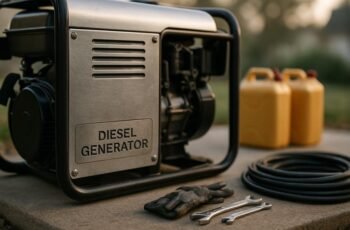
We need to align our storage with the generator’s owner’s manual, using only approved fuels and ensuring octane and additive specs match, while testing compatibility with containers, engines, and lines. We’ll keep fuels clean and segregated, label clearly with color codes, and store in dedicated shelving. Our approach includes caps, vents, and seals inspection, documentation of certifications, regular checks, spill procedures, and training to sustain compliance—and there’ll be a point where we pause to contemplate the next decisive steps.
Key Takeaways
- Identify permitted fuels from the generator’s owner’s manual, noting exclusions, octane requirements, and additives.
- Use clean, uncontaminated fuels and maintain color coding and labeling to prevent cross-contamination.
- Store fuels in clearly labeled, durable containers with segregation and documented inspection logs.
- Ensure proper ventilation, storage zoning, fire protection, and distance from ignition sources; equip rated cabinets and extinguishers.
- Implement spill prevention, transfer controls, bonding/grounding, and documented drills with corrective action timelines.
Fuel Types Allowed and How to Choose Safely
Choosing the right fuel type is fundamental to safe generator storage and operation. We begin by identifying permitted fuels and confirming compatibility with your unit’s design. We inspect the owner’s manual for listed fuel types, noting any exclusions and recommended octane or additive requirements. We assess fuel compatibility with storage containers, engines, and fuel lines, avoiding mixtures not approved by the manufacturer. We emphasize using clean, uncontaminated fuels and avoiding old, degraded, or off-spec products. We implement color coding and labeling to distinguish approved fuels and prevent cross-contamination at the point of use. We verify that fuel meets applicable standards and keep records of certification checks. We train personnel on safe handling, leakage risk, and immediate corrective actions.
Proper Fuel Storage and Labeling for Containers
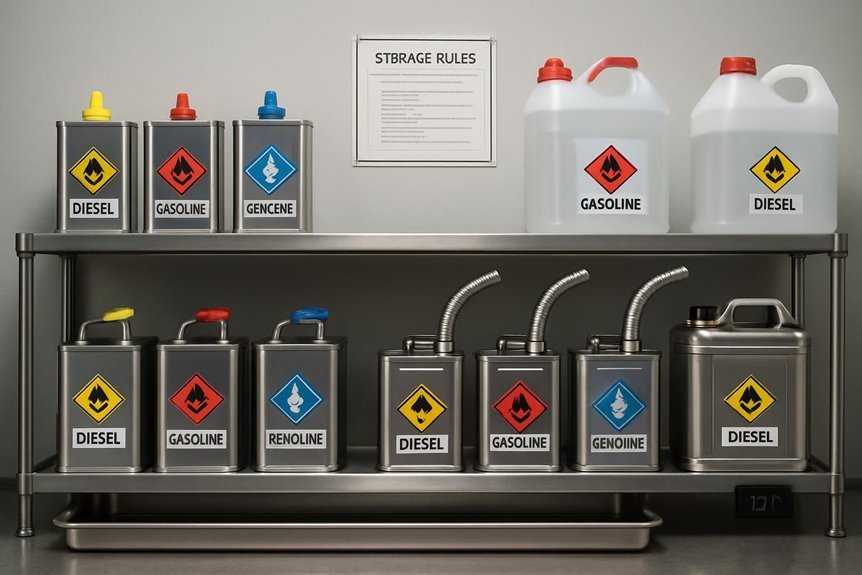
Proper fuel storage starts where you left off—ensuring fuel compatibility and cleanliness isn’t enough if the containers themselves invite contamination or leaks. We’ll emphasize robust container labeling and segregation to prevent cross-contamination and hazards. Each container must be clearly marked with fuel type, date received, and suitability for storage duration, using durable, legible labels resistant to chemical exposure. Maintain container segregation by separating fuels with incompatible properties and using dedicated shelving or cages to avoid mix-ups. Caps, vents, and seals should be intact and compatible with the stored fuel. Inspect for corrosion, swelling, or residue before each use, and implement a documented inspection log. Training staff on labeling standards and storage procedures reinforces compliance and reduces risk across all operations.
Ventilation, Storage Location, and Fire Safety Best Practices
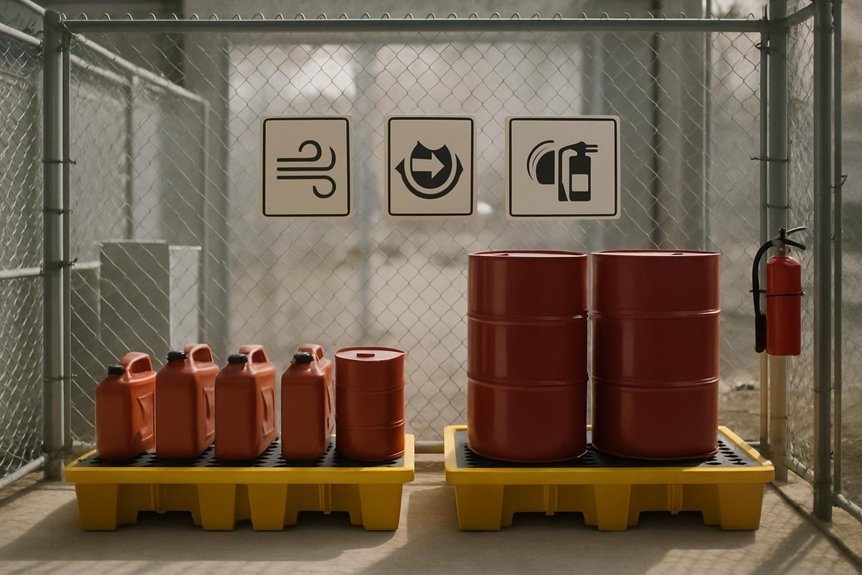
Do we have the right ventilation, location, and fire safety controls in place to protect operations and people? We assess our ventilation strategy, storage zoning, and fire protection measures to minimize risk and meet compliance. Proper ventilation reduces vapors and heat buildup; clear storage zoning prevents cross-ignition and simplifies monitoring. We location-fix fuel stores away from ignition sources, exits, and mechanical rooms, with appropriate containment and signage. Fire safety controls include-rated cabinets, secondary containment, alarms, and extinguishers suitable for flammable liquids. Regular inspections, maintenance, and training ensure effectiveness. Reader engagement matters; follow this concise check:
| Item | Requirement | Verification |
|---|---|---|
| Ventilation | Approved system | Functional and tested |
| Location | Separated from ignition | Adequate clearance |
| Fire safety | Class B extinguishers | Accessible, labeled |
| Containment | Secondary | Integrity intact |
| Training | Crew awareness | Records up-to-date |
Spill Prevention, Containment, and Handling During Transport or Transfer
How can we prevent spills and keep liquids contained during transport or transfer, and what handling steps guarantee this risk stays minimal? We approach this with disciplined methods: secure packaging, approved containment devices, and validated transfer procedures. We minimize gaps between containers, use proper bonding and grounding for fuel transfers, and verify compatibility of fuels with storage and transport materials. We implement clear spill response protocols and immediate reporting pathways to initiate rapid containment. Containment planning guides our actions, defining secondary containment, absorbent readiness, and temporary storage limits to prevent leaks from escalating. Worker training emphasizes risk awareness, PPE, and stop-work authority. We document transfer checks, incident drills, and routine audits to sustain compliance and protect people, property, and the environment.
Compliance, Inspections, and Maintenance for Generator Fuel Storage
Why do we prioritize ongoing compliance, routine inspections, and proactive maintenance for generator fuel storage? We do this to minimize spill risks, ensure regulatory alignment, and protect personnel and the environment. Our approach is systematic: establish clear compliance inspections, document findings, and close gaps promptly. We define maintenance schedules that cover tank integrity, venting, seals, and vented fill caps, plus fuel quality checks and containment integrity after each transfer. Regular visual checks, leak detection, and calibration of sensors are non-negotiable. We implement corrective actions with traceable timelines and responsible parties, then verify results. Training reinforces procedures, emergency response readiness, and record-keeping accuracy. By integrating compliance inspections and maintenance schedules, we sustain safe storage, reduce fines, and support long-term operational resilience.
Frequently Asked Questions
How Often Should Fuel Storage Tanks Be Inspected?
We inspect tanks annually, more often if we have known risks; this inspections frequency supports storage safety and compliance, helping us identify leaks, corrosion, or contamination early so we protect people, property, and our operations.
What Are Penalties for Noncompliance With Storage Rules?
Penalties for noncompliance can be severe, including fines and potential shutdowns. We caution you about storage violations, enforceable penalties, and corrective actions. We’re here to help you meet standards, minimize risk, and avoid costly consequences.
Can Mixed Fuels Be Stored Together Safely?
Yes, we don’t recommend mixed fuels together; mixed storage can create incompatibility considerations and hazards. We’ll follow strict separation, compatibility checks, and containment measures to manage risk, guarantee compliance, and protect your operations and personnel.
Are Secondary Containment Capacity Requirements Defined?
Are you kidding? Yes, secondary containment capacity requirements exist, and we take them seriously. We, as a team, ensure compliant, risk-aware practices, detailing secondary containment specs, capacity requirements, and the safeguards we deploy to protect people and the environment.
What Certifications Are Needed to Handle Hazardous Fuels?
We require certifications needed for handling hazardous fuels, including training in safety, spill prevention, and emergency response. We’ll verify credentials, maintain records, and ensure ongoing compliance, because proper handling of hazardous fuels minimizes risk and protects people and environments.
Conclusion
We understand keeping fuels safe and compliant isn’t optional—it’s how we protect people, equipment, and the site. By following our rules for storage, labeling, segregation, and regular inspections, we minimize spills, misfuelling, and fires. If you’re unsure about approved blends or compatibility, don’t guess—check the owner’s manual and container specs. We’re committed to clear labels, clean fuels, and rigorous training, so risks stay low and operations stay compliant. Together, we stay safe and compliant.