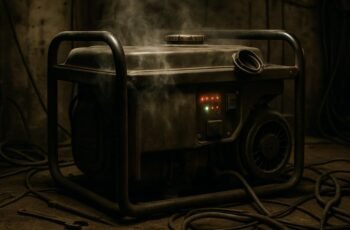
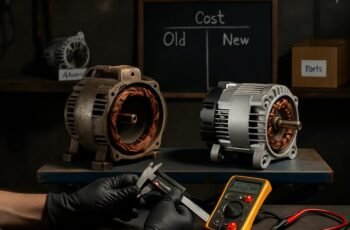
We’ve seen common portable generator problems crop up from stale fuel, varnished carburetors, weak sparks, or timing and electrical faults, and we approach fixes with a precise, methodical mindset. We’ll outline causes, from fuel contamination to ignition and cooling issues, then lay out practical steps—checking fuel quality, cleaning or rebuilding carbs, replacing plugs, verifying timing, and inspecting batteries and wiring. If some symptoms persist, there’s a clear path forward, but certain issues warrant professional evaluation to ensure reliability.
Key Takeaways
- Fuel issues (stale gas, contaminated fuel, clogged carb jets) can prevent starting or cause rough running; use fresh fuel and clean the carb.
- Spark/ignition faults (bad plugs, incorrect timing, weak coil) lead to hard starts or misfires; inspect gaps and replace worn plugs.
- Electrical problems (low battery, blown fuses, bad solenoids) hamper cranking; test voltage, replace fuses, and secure connections.
- Cold start and high humidity reduce ignition efficiency; allow engine to reach operating temp and ensure proper vaporization with clean fuel.
- Regular maintenance (air filter, fuel filter, timing, and carburetor cleanliness) prevents most starting and running issues; follow manufacturer specs.
What Generally Causes Portable Generators to Fail Starting
Common portable generator startup issues stem from fuel, ignition, or electrical faults that prevent the engine from turning over or running. We analyze root causes systematically to guide you quickly. Fuel problems include stale or contaminated gas, improper storage, or clogged carburetor jets, leading to weak or no fuel delivery. Ignition faults involve faulty spark plugs, bad timing, or insufficient coil output, hindering ignition. Electrical faults cover low battery voltage, blown fuses, or solenoid issues that stop cranking. Environmental factors influence starting, such as cold temperatures or high humidity, affecting fuel vaporization and ignition efficiency. Techniques for cold start troubleshooting help verify cranking, fuel delivery, and ignition under cool conditions. Environmental impact considerations remind us to use clean fuel, minimize spills, and follow proper storage to reduce emissions and residue.
Fixing Rough Idle and Unstable Running Patterns
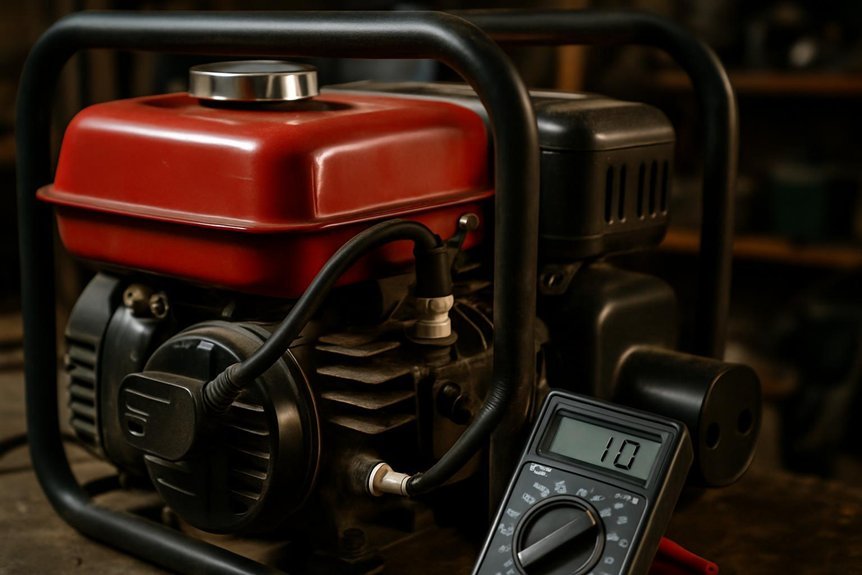
We’ll start by checking the idle adjustment and making small, controlled tweaks to the throttle linkage to stabilize the engine speed. Next, we’ll review the fuel system for proper flow, looking at carburetor idle circuits and fuel filter condition to prevent lean or rich imbalances. In parallel, we’ll verify overall fuel delivery and confirm that idle adjustment tips and fuel system checks are aligned with the manufacturer’s specs to maintain a steady idle.
Idle Adjustment Tips
How can we smooth out a rough idle and stabilize running patterns on a portable generator? We approach idle adjustment systematically, focusing on engine behavior and mixture stability. Fine-tune the idle screw to achieve a steady, low-rpm idle without stalling. If there’s stumbling, adjust the fuel air mix toward a richer setting at idle, then recheck transitions to load. Verify ignition timing is within spec and that idle speed remains constant under light load. Use a clean air filter and fresh spark plug as baseline. Document changes for repeatability, and re-test under varying loads.
| Step | Action |
|---|---|
| 1 | Inspect air filter and spark plug for wear. |
| 2 | Adjust idle screw for smooth idling. |
| 3 | Modify fuel air mix incrementally. |
| 4 | Verify stable idle under load. |
Fuel System Checks
Fuel system checks focus on delivering clean, stable fuel to the carburetor or injection system. We inspect fuel lines for cracks, leaks, and blockages, and replace deteriorated hoses as needed. We test the fuel filter for flow and cleanliness, noting any sediment or restriction. We confirm the tank venting and cap seals prevent vapor lock and pressure buildup. We verify fuel pressure or injector pulse timing aligns with engine specs, adjusting only within tolerance. We purge air from lines and run the engine to observe idle stability, noting roughness, misfires, or surging. We address ethanol-related deposits with a compatible fuel conditioner and injector cleaner. Properly maintained fuel delivery improves fuel efficiency and contributes to noise reduction by reducing unsteady combustion.
Troubleshooting Fuel System: Leaks, Varnish, and Stale Fuel
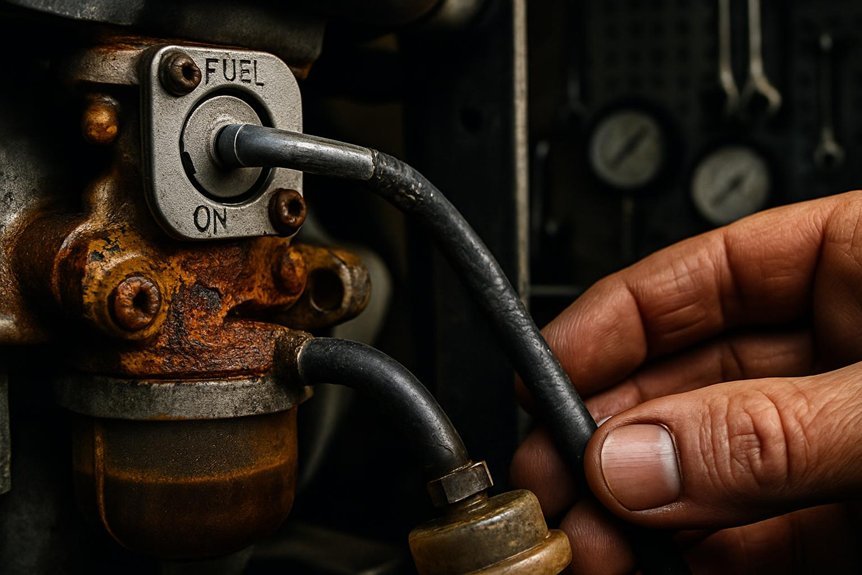
We’ll start by identifying fuel system leaks, which can indicate worn seals, cracked hoses, or loose fittings that must be corrected immediately. Next, we’ll assess varnish buildup that restricts fuel flow and seals, noting how degraded deposits affect performance. Finally, we’ll evaluate stale fuel hazards, including moisture and reduced octane, and outline safe, proactive steps to restore reliability.
Fuel System Leaks
Have you ever checked a portable generator and found a damp footprint or a lingering fuel smell? We’ll guide you through fuel system leaks with precise steps, focusing on safe, effective fixes. When we assess a leak, it starts with a systematic leaks diagnosis: inspect lines, fittings, seals, and the carburetor base gasket for evidence of seepage or dripping. Identify the source before dismantling any components, and note that even small drips can indicate a compromised seal or cracked hose. As we proceed, exercise treatment caution: depressurize the system, disconnect power, and work in a ventilated area. After repair, test under load and recheck for traces of fuel. Document findings, replace worn parts, and reassemble with clean, compatible hardware to restore a reliable fuel system.
Stale Fuel Hazards
Stale fuel can corrode performance and damage downstream components, so we check for varnish, gum buildup, and fuel separation before chasing leaks. We assess age, storage conditions, and contamination that promote degraded mixture. Stale fuel introduces inconsistent compression and poor ignition, pushing us to verify fuel quality first. We evaluate then replace fuel with fresh, ethanol-free or properly stabilized mix, and confirm compatibility with our carburetor jets and fuel lines. We inspect for varnish deposits on the pickup screen, float needle, and inside the tank, removing residues as needed. Hazarding storage accelerates deterioration, so we document dates, maintain sealed, cool environments, and rotate stock. After replacement, we run a brief test, verify steady idle, and monitor for leaks to ensure reliable operation.
Battling Spark and Ignition Issues for Reliable Starts
We start by diagnosing spark and ignition issues that keep your generator from starting reliably. We focus on how spark ignition timing, coil health, and plug condition influence starts, and we note fuel aging as a compounding factor that can dull ignition performance. Our approach emphasizes quick checks, precise measurements, and minimal downtime.
| Column A | Column B |
|---|---|
| Spark health | Test ignition coil and plug gap; replace worn spark plug. |
| Timing and fuel | Verify timing marks; ensure clean, dry connections. |
Effective troubleshooting minimizes risk and ensures repeatable starts. If spark ignition is strong but starts still falter, examine wiring harness continuity, stator output, and ground integrity. Note that fuel aging can reduce vapor pressure, indirectly affecting ignition demand. By isolating ignition faults from fuel issues, we keep the repair scope tight and actionable.
Addressing Carburetor Clogging and Startup Hesitations
Carburetor clogging can cause startup hesitations even when fuel supply seems adequate; when jets, passages, or the float bowl are blocked, the engine struggles to draw a proper fuel-air mixture. We address this by inspecting intake pathways for debris, and verifying that metering jets flow freely. We partition the process into cleanliness checks: remove the carburetor, disassemble sections, and rinse components with approved cleaner, avoiding ultrasonic methods that may damage gaskets. We then reinstall with a fresh gasket set and ensure fuel is routed cleanly to the bowl. After reassembly, priming should produce a reliable start, and startup hesitation should diminish as carburetor cleanliness improves. If hesitation persists, reassess fuel quality, hose integrity, and air filtration to prevent recontamination.
Spark Plug and Maintenance Routines That Improve Longevity
We’ll examine spark plug care, a practical maintenance routine that boosts longevity and reliability. Regular inspections, proper gap checks, and clean, dry replacements keep ignition consistent and minimize fouling. By sticking to a concise schedule, we uphold performance while reducing downtime for portable generators.
Spark Plug Care
Spark Plug Care: Regular inspection and timely maintenance are essential to prevent misfires, improve fuel efficiency, and extend generator life. We emphasize a focused approach: inspect gaps, clean carbon buildup, and replace worn electrodes as part of a disciplined maintenance routine. For safety, disconnect the spark plug wire and allow cool-down before work. We verify the plug-type compatibility and torque to manufacturer specifications, avoiding over-tightening that can crack porcelain. We examine electrode insulators for cracking or oil fouling and note any spark gaps outside tolerance. Replace fouled or damaged plugs promptly; use a high-quality, correctly sized spark plug for your model. Maintain a clean, dry environment to deter corrosion. Document service intervals and results to optimize your maintenance routine effectiveness.
Maintenance Routine Longevity
To maximize longevity, we implement a disciplined maintenance routine that combines regular spark plug checks with preventive care on all critical components. We emphasize a strict maintenance cadence: scheduled inspections, measured torque specs, and timely part replacement to prevent wear from propagating. Our approach targets ignition reliability, fuel system integrity, and electrical connections, ensuring consistent performance under load. We document part numbers and verify parts compatibility before service, avoiding substitutions that could compromise tolerances or warranty terms. We employ preventative lubrication, air filtration, and cooling system checks to minimize thermal stress. By correlating maintenance intervals with runtime hours and environmental conditions, we reduce unexpected failures. This disciplined cadence yields predictable diagnostics, lower repair costs, and extended generator life without sacrificing safety or efficiency. Continuous optimization depends on accurate records and adherence.
Regular Inspection Practices
How often should you inspect spark plugs and perform maintenance to sustain long-term generator reliability? We approach regular inspection as a disciplined routine. We inspect spark plugs for gap, wear, and fouling, cleaning or replacing as needed to maintain consistent ignition. We check air filters, fuel lines, and carburetor or fuel injectors to prevent performance loss. We verify oil, coolant, and lubrication levels for sufficient lubrication, addressing leaks promptly. We confirm battery compatibility and charging circuitry, ensuring that the starting system remains reliable. We document inspection dates, service performed, and observed anomalies to guide future actions. We test operation after maintenance, confirming no abnormal noises or overheating. By adhering to these checks, we reduce downtime and extend generator longevity.
Cooling and Ventilation: Preventing Overheating and Hotspots
Cooling and ventilation are essential to keep a portable generator operating reliably, preventing overheating and hotspots from forming during load spikes or prolonged use. We examine how airflow, fin design, and ducting interact with load profiles to sustain core temperatures within spec. Our cooling habits focus on unobstructed intake, clean filters, and timely shutter opening to maximize convective cooling without compromising safety. We monitor ventilation patterns to ensure even heat removal across the exhaust path and cylinder fins, avoiding localized hotspots. Regular cleaning of dust, debris, and ash reduces thermal resistance and maintains predictable thermal margins. Implementing controlled idling and staggered load ramps minimizes peak demand on the cooling system while preserving efficiency and component life.
Electrical Output Problems: Low Voltage, Surges, and Overloads
From our focus on cooling efficiency, we can see how electrical output issues arise when the generator’s operating conditions shift under load. Low voltage often results from aging brushes, loose connections, or an underpowered alternator, while surges stem from unstable fuel supply or rapid load changes. Overloads occur when equipment demand exceeds generator rating or when parallel devices skew phase balance. We monitor output with a multimeter and address root causes: tighten terminals, replace worn brushes, verify wiring, and ensure the engine is producing consistent RPM. Protect devices with proper load management, and avoid high inrush spikes. Note that generator noise patterns can mask voltage anomalies, and emission controls must stay compliant during tuning, preventing excess emissions while maintaining stable performance. Regular diagnostic checks prevent sudden failures and support sustained reliability.
Storage and Long-Term Maintenance to Avoid Seasonal Failures
Ensure proper storage and long-term maintenance prevent seasonal failures by minimizing moisture ingress, fuel degradation, and corrosion. We guide you through disciplined steps to protect core components during idle periods. Start with storage guidelines: clean and dry the unit, seal air intakes, and elevate it to reduce dampness. Drain or stabilize fuel with compatible stabilizers, documenting last run times for reference. Change oil according to manufacturer intervals before storage, and inspect spark plug condition and ignition wiring for corrosion. If storing outdoors, shield the enclosure from direct rain and sun, yet ensure ventilation remains intact. For long term maintenance, perform periodic functional checks, rotate tires or wheels (if applicable), and test startup monthly to verify cranking reliability. Record dates, observations, and any anomalies.
Quick Safety Checks and When to Call a Pro
Have you ever checked a portable generator before using it? We start with quick safety checks that protect you and your equipment. Inspect exterior for damage, leaks, and corrosion, then verify the exhaust area is clear. Confirm proper fuel and oil levels, and ensure the generator sits on a flat, dry surface. Check fuel flow to ensure no kinks or blockages in the line, and inspect the air filter for obstructions. Verify ignition timing is set according to the manufacturer’s specifications, and test the starter mechanism without load to confirm smooth engagement. If anything is unusual—hissing, strong fuel odor, or sparking—stop and disconnect power. When in doubt, call a pro for professional diagnostics, calibration, and service to prevent unsafe operation or damage.
Frequently Asked Questions
How Often Should I Replace a Portable Generator’s Battery or Spark Plug?
We should replace the spark plug every 100–200 hours of use or annually, and check spark plug maintenance before each season. Battery replacement cadence depends on the model, typically every 2–4 years, or when performance declines.
Can Altitude Affect Generator Starting and Power Output?
Yes, altitude affects starting power and overall performance. We’ll explain how thinner air reduces combustion efficiency and output torque, and adjust operating procedures accordingly. Altitude effects require leaning carburetors, higher octane considerations, and meticulous spark timing.
What Signs Indicate a Failing Alternator or Voltage Regulator?
Signs of alternator or voltage regulator failure appear as fluctuating voltage, dim or flickering lights, frequent battery discharge, and warning indicators. We monitor battery maintenance, inspect spark plugs, and test charging output to confirm faults and plan repairs.
Is It Safe to Run a Generator Indoors or Near Windows?
Is it safe to run a generator indoors or near windows? No. We advise against it. Indoor safety demands proper ventilation placement, and we’ll handle battery maintenance and spark plug upkeep to prevent hazards and ensure reliability.
Do Generators Require Regular Oil Changes Beyond Manufacturer Intervals?
We do not require oil changes more often than manufacturer intervals, but monitor oil level and condition; perform timely oil changes, and schedule preventive maintenance including battery replacement when needed to guarantee reliable starts and steady operation.
Conclusion
We’ve mapped the generator’s heartbeat: fuel, spark, and timing, all in steady rhythm. When fuel varnish clogs, think of the carburetor as a gatekeeper, opening only with clean fuel and precise jets. Weak ignition is a quiet warning bell; replace worn plugs and verify timing. Storage is the silent custodian, preserving life with stabilized fuel and oil. Respect the safety signs, and your system will endure, delivering power when the world depends on it.