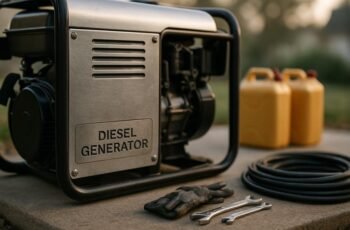
We can’t pretend there aren’t warning signs when a generator engine falters, and we’ll acknowledge that quiet hints often point to fueling, lubrication, or ignition faults. We approach each symptom with a concise, analytical mindset, checking air, fuel pressure, and electrical paths before jumping to conclusions. If unusual noises or stalls persist, we’ll map out a diagnostic path and outline practical fixes that prevent downtime—with choice points that compel us to examine further details.
Key Takeaways
- Check fueling and lubrication: ensure fuel quality, filters, oil level/viscosity, and absence of contamination to prevent degraded combustion.
- Inspect ignition and electrical systems: verify battery, wiring, connectors, spark plugs, and timing to avoid misfires and hard starts.
- Assess air and exhaust paths: look for dirty filters, obstructions, and restricted exhaust that reduce engine efficiency.
- Evaluate starter signals and circuits: test voltage at the starter, diagnose battery and cable resistance, and identify wiring faults or blown fuses.
- Perform systematic fault mapping: document signals, isolate mechanical vs electrical faults, and test under load before replacements.
What Typically Causes Generator Engine Problems
Common causes of generator engine problems fall into a few core categories: fueling and lubrication issues, ignition and electrical faults, air and exhaust restrictions, and mechanical wear or misadjustment. We examine typical failure paths to help you pinpoint symptoms quickly. Recurrent engine wear emerges from inconsistent operation, overheating, and improper loading, accelerating component fatigue and tolerances loss. Fuel cleanliness directly influences combustion quality, deposit formation, and injector or carburetor efficiency, making contaminated fuel a leading degradation driver. Ignition faults produce misfires, rough running, and starting delays, while electrical weakness can undermine timing, charging, and sensor signaling. Air restrictions, including dirty filters or obstructed exhaust, reduce volumetric efficiency. Regular maintenance targeting cleanliness, correct fuel, and proper clearances minimizes wear and sustains reliable performance.
How to Diagnose Starting and Idle Issues Quickly
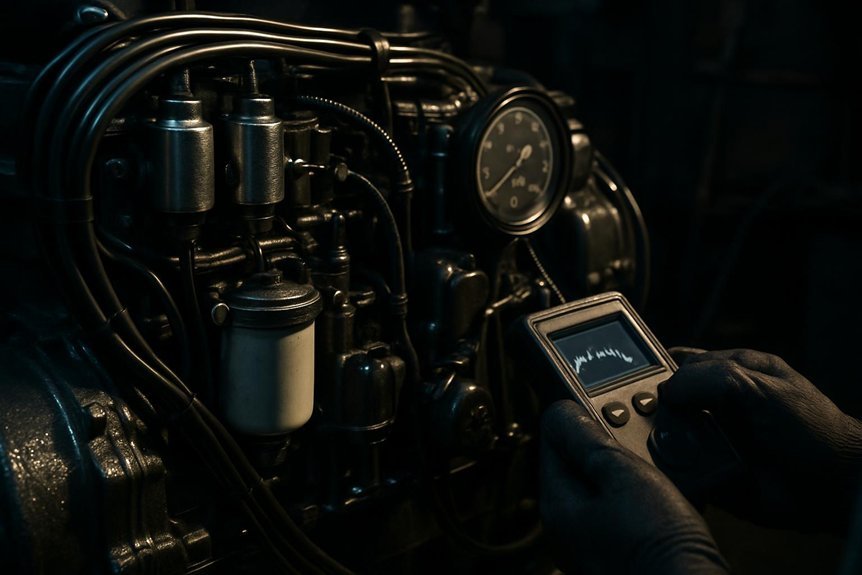
We’ll start by identifying key starter signals and what they imply, so you know what to monitor first. Next, we’ll assess idle performance clues to pinpoint fuel, ignition, or vacuum issues that quietly mask broader faults. Finally, we’ll outline quick troubleshooting steps you can run to confirm diagnoses without unnecessary delays.
Diagnosing Starter Signals
Diagnosing starter signals is our first step when starting and idle issues appear, because the electrical cues from the key switch, solenoid, and battery connections point to the fault area. We approach this with a methodical ignition checks mindset: verify voltage at the starter circuit, listen for solenoid engagement, and confirm battery health before proceeding. We isolate whether the issue is mechanical or electrical, focusing on crisp, testable criteria rather than guesswork. By documenting each signal, we map fault paths and avoid unnecessary replacements. This keeps us efficient and accurate, reducing downtime.
- A strong click from the solenoid with no crank indicates a weak battery or poor connections.
- Partial cranking suggests high resistance in cables or a faulty ignition switch.
- No signal at all flags wiring faults or a blown fuse.
Idle Performance Clues
Ever notice a stumble or surge as the engine settles into idle, or struggle to hold a steady RPM at light load? We approach idle performance as a diagnostic signal, not a symptom. We compare fuel delivery, ignition timing, and load sensing to establish a baseline idle quality. Subtle fluctuations reveal air leaks, vacuum paths, or injector flow variances that skew idle stability. We assess idle tuning as a targeted adjustment process, verifying throttle body response, ISC operation, and mixture trim across ambient conditions. Our method emphasizes repeatable measurements: RPM drift, AFR if available, and transient response during light-load transitions. By isolating mechanical from control-system faults, we minimize misdiagnosis and optimize steady-state operation without unnecessary disassembly.
Quick Troubleshooting Steps
Starting from idle performance clues, we shortcut the process by outlining targeted checks that reveal starting and idle faults fast. We approach diagnostics with a maintenance mindset, focusing on repeatable cues and verifiable results. We identify common mistakes early—overlooking fuel quality, ignition timing, or battery health—and trim them out with concise tests. Our steps are actionable, not exploratory fluff, aimed at rapid, repeatable conclusions.
- Fuel quality and stability checks that pinpoint inconsistencies
- Battery voltage, starter draw, and ignition coil integrity quick screens
- Intake, exhaust, and throttle response observations tied to sensor feedback
These focused steps reduce ambiguity, let us validate root causes, and prevent unnecessary maintenance cycles.
Troubleshooting Fuel System Faults and Symptoms
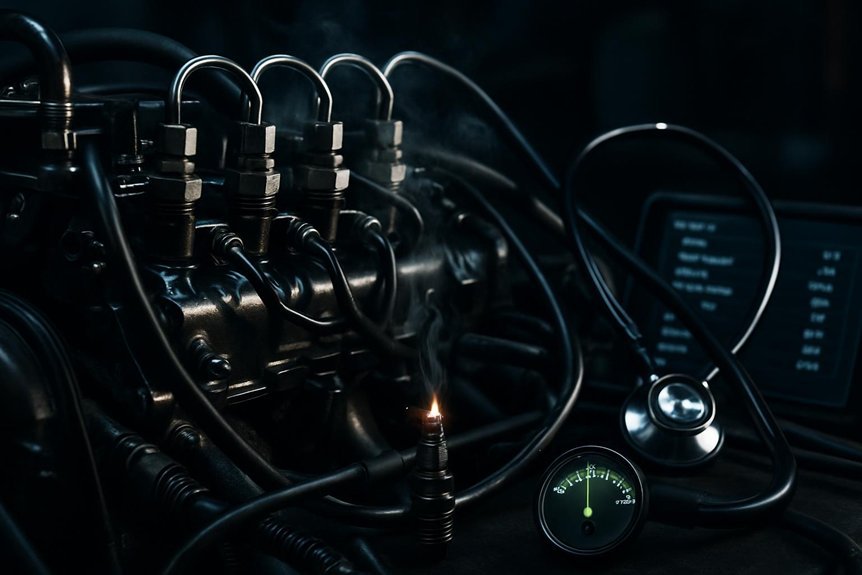
When fuel system faults arise, a systematic approach helps us pinpoint symptoms quickly and prevent misdiagnosis. We assess fuel supply, filters, and lines for restrictions, leaks, or contamination, then verify pump operation and pressure against spec. We correlate observed symptoms with service history, excluding unrelated engine faults. Fuel system diagnostics include pressure tests, flow checks, and regulator evaluation, while ensuring correct regulator and return lines orientation. We document deviations, then trace root causes to clogged filters, compromised hoses, or degraded seals. Electrical troubleshooting plays a supporting role; ignition timing, sensor feedback, and control module signals can masquerade as fuel issues. We isolate faults with controlled load testing, then implement corrective actions and retest under load to confirm stable fuel delivery and engine response.
Common Electrical and Ignition Failures to Inspect
Electrical and ignition faults are common culprits behind uneven performance or stalling, so we inspect wiring integrity, harness routing, and connector contacts first. We analyze ignition timing, coil function, and spark plug health, then verify battery state and harness grounds. In cold weather, symptoms can worsen due to impedance and brittle insulation, so we confirm all connectors are clean, dry, and secure before testing under load. We also consider fuel stabilization effects on ignition reliability in prolonged outages.
- Wiring harness routes are free of chafing and strain
- Spark plugs, coils, and connections show solid resistance and no corrosion
- Battery, grounds, and connectors survive rapid temperature changes without intermittent contact
Cooling, Lubrication, and Overheat Safeguards to Check
What safeguards keep the engine from overheating or seizing? We examine cooling, lubrication, and monitoring practices to prevent failures. Cooling efficiency depends on proper coolant levels, clean radiators, unobstructed airflows, and functional thermostats. We verify pump operation, fan speed, and aftercooler performance, noting any reduced heat transfer or hotspots. Lubrication schedules matter: oil viscosity, level, and contamination control determine film strength and bearing wear. We inspect sump quantity, filter condition, and pump integrity, ensuring consistent circulation at all loads. We confirm temperature and pressure sensors respond correctly, with alarms set within safe margins. We track service intervals, verify availability of spare parts, and document deviations from nominal values. Together these checks minimize thermal strain, sustain performance, and protect against overheating-induced damage.
Diagnosing Strange Noises, Vibrations, and Power Loss
From the cooling and lubrication checks, we’ve pinpointed how thermal and fluid conditions can mask underlying drivetrain issues, so we pivot to listening for and diagnosing abnormal noises, vibrations, and power loss. We approach this systematically, correlating sound with load, RPM, and observed symptoms, while keeping generator internals in view and adhering to safety protocols. Subtle changes can reveal bearing wear, misalignment, or loose hardware before failure, so we document frequency, amplitude, and phase for each anomaly. We also differentiate electrical signatures from mechanical ones to avoid misdiagnosis. Quick checks during operation help confirm persistence and rule out transient causes. Precision in diagnosis reduces downtime and supports targeted maintenance.
Systematically diagnosing noises and power loss by correlating sound, load, and RPM, while safeguarding generator internals.
- Unusual rattle near idle signaling bearing wear
- Harsh metallic tone at high RPM implying misalignment
- Droning power loss with smooth idle indicating electrical regulation fault
Practical Fixes and Maintenance Routines That Prevent Downtime
We’ll outline practical fixes and maintenance routines that curb downtime by focusing on routine oil checks, air filter maintenance, and vibration/alignment. We’ll show how proactive oil level and viscosity checks, timely air filter replacements, and precise shaft alignment reduce wear and balance issues. This discussion sets the framework for reliable operation and measurable uptime improvements.
Routine Oil Checks
Routine oil checks are essential to prevent downtime on generator engines. We communicate with you directly, outlining practical steps that keep engines ready and reliable. We monitor oil level, viscosity, and cleanliness, documenting any deviations from baseline. When we see low oil, we perform an oil change promptly and recheck readings to confirm stabilization. We also verify the coolant level as an ancillary parameter, ensuring cooling efficiency and preventing overheating that could compromise lubrication. Tight tolerances matter; we follow manufacturer specs for dipstick interpretation, filter condition, and crankcase pressure indications. Routine checks reduce wear, extend service life, and minimize unexpected outages. Proactive measures like scheduled sampling and alert thresholds prevent surprises.
- Visualize dipstick readings aligning with expected ranges during a calm pull-and-read
- Imagine a clean, amber oil sheen signaling healthy circulation
- Picture steady coolant level and uninterrupted cooling flow during load tests
Air Filter Maintenance
How often should we inspect and replace air filters to prevent downtime, and what practical steps guarantee peak intake efficiency? We approach air filter maintenance with a defined cadence and clear actions. Establish a maintenance interval based on manufacturer guidelines, operating environment, and load. Visual checks before each run identify visible debris or saturation; record findings to adjust intervals. During service, remove the filter gently, inspect housing seals, and clean any dust buildup with a soft brush or compressed air from the clean side only. Replace when soiled, damaged, or after the recommended maintenance interval. Ensure correct filter orientation and reseal housing to prevent bypass leaks. Document performance changes and schedule next inspection to sustain optimal airflow, cooling, and fuel efficiency.
Vibration and Alignment
What are the telltale signs of vibration and misalignment in generator systems, and how can we detect and correct them before they cause downtime? We identify root causes quickly through vibration analysis and targeted alignment checks, then implement corrective actions that prevent cascading faults. Regular data collection enables trend spotting, while calibrated sensors distinguish bearing, rotor, or foundation issues from transient events. We tighten, balance, and align in a controlled sequence, documenting tolerances and results for traceability. Early warnings let us schedule maintenance without surprises, minimizing downtime and extending component life.
- Visual and sensor-based cues suggest misalignment and looseness, prompting immediate verification
- Dynamic balancing and phase alignment reduce harmonic stress and bearing wear
- Grounding, mounting, and shim adjustments ensure stable, repeatable operation
When to Call a Professional and Which Parts to Replace
When troubleshooting a generator engine, it’s essential to know when to call a professional and which components to replace to avoid costly downtime. We present a decision framework grounded in generator basics and maintenance planning. If basic tests show persistent faults after targeted fixes, or if symptoms escalate beyond routine care, professional intervention is warranted to prevent unsafe operation or further damage. Prioritize replacements for worn seals, gaskets, belts, injectors, and spark or glow plugs only after confirming root cause. Complex failures in cooling, fuel systems, or electrical controls typically require licensed expertise and diagnostic tools. Document symptoms, cycles, and maintenance history to guide timing. We aim for minimal downtime by distinguishing repair-worthy parts from consumables, ensuring reliable, compliant operation within your preventive program.
Frequently Asked Questions
How Do I Assess Fuel Quality Impact on Performance?
We assess fuel quality by analyzing its current composition, noting performance impact, and correlating with exhaust system readings; we flag warning signs like fouling or detonation, then adjust fuel, filtration, or injectors to restore performance impact and reliability.
What Early Warning Signs Indicate Exhaust System Issues?
Exhaust system issues show up early as muffler integrity losses and restricted exhaust clearance, we notice unusual vibration paired with quiet or roaring sections, and our analysis confirms leaks, clogs, or misalignment before performance degrades.
Can Ambient Temperature Affect Generator Starting Reliability?
Yes, ambient temperature affects generator starting reliability. We’ve observed cold temps reducing cranking speed and fuel atomization, while heat can cause vapor lock. Fuel quality impact and performance remain critical for consistent generator starting reliability in varying conditions.
Which Common Sensors Trigger False Shutdowns or Errors?
We’ll tell you that false shutdowns arise from sensor failures, with power shutoffs triggered by unreliable readings, fuel contamination, and sensor reliability drift; these failures prompt diagnostic checks, calibration, and replacement to minimize misfires and unwanted outages.
How Does Altitude Influence Generator Output and Cooling?
Altitude effects reduce output and challenge cooling performance; at higher elevations, air density drops, cooling becomes less effective, and fuel quality impact grows during performance assessment. We observe coincidence between ambient conditions and generator efficiency, adjusting operation accordingly.
Conclusion
We’ve outlined the main culprits behind generator engine problems—from fueling and lubrication lapses to ignition faults and air/exhaust restrictions—and mapped clear diagnostic and maintenance steps. By checking starter signals, fuel pressure, and cooling integrity, then inspecting electrical connections and filters, you can isolate issues quickly. Regular maintenance prevents downtime, and know when to call a professional for cooling, fuel, or ECU faults. So, will you follow the routine checks that keep power reliable?