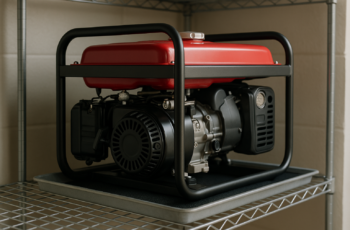
A generator’s lifespan hinges on design quality and disciplined maintenance, and that balance often surprises people. We’ll compare how gas, diesel, and dual‑fuel units age, weigh brand benchmarks, and map practical upkeep to expected hours and replacement timelines. As we outline key wear drivers and early warning signs, we’ll show how storage, load patterns, and warranties shape our decisions, but the real test begins as soon as we implement a plan. Let’s consider what comes next.
Key Takeaways
- Lifespan is defined by reliability until major degradation, influenced by design quality, cooling, maintenance, and usage patterns.
- High load, frequent starting, and poor cooling accelerate wear on engines, bearings, windings, and control components.
- Maintenance practices—timely oil changes, filters, cleaning, and inspections—prolong reliability and delay failures.
- Enclosures, materials, vibration isolation, and proper fuel handling improve longevity and reduce stress and heat buildup.
- Typical service outlook: well-maintained continuous-duty units show 1,500–3,500 operational hours, with engine components often shorter than electrical ones.
What Is a Generator’s Lifespan and Why It Varies?
A generator’s lifespan is not fixed; it varies with design, usage, and maintenance. We define lifespan as the period a unit performs within its specified reliability envelope before major degradation. Design quality, component selection, and cooling efficiency determine baseline durability. Usage patterns—load cycling, startup frequency, and runtime—shape wear rates on brushes, bearings, and fuel systems. Maintenance practices—oil changes, filter replacements, and inspections—control corrosion, contamination, and lubrication breakdown. We assess generator reliability as the probability of meeting performance criteria over time, guiding preventive actions and replacement planning. Warranty coverage typically reflects expected reliability through defined service intervals and failure allowances, influencing ownership cost and risk. By quantifying these factors, we align expectations with actual durability and support.
Lifespan by Type: Gas, Diesel, and Dual-Fuel Generators
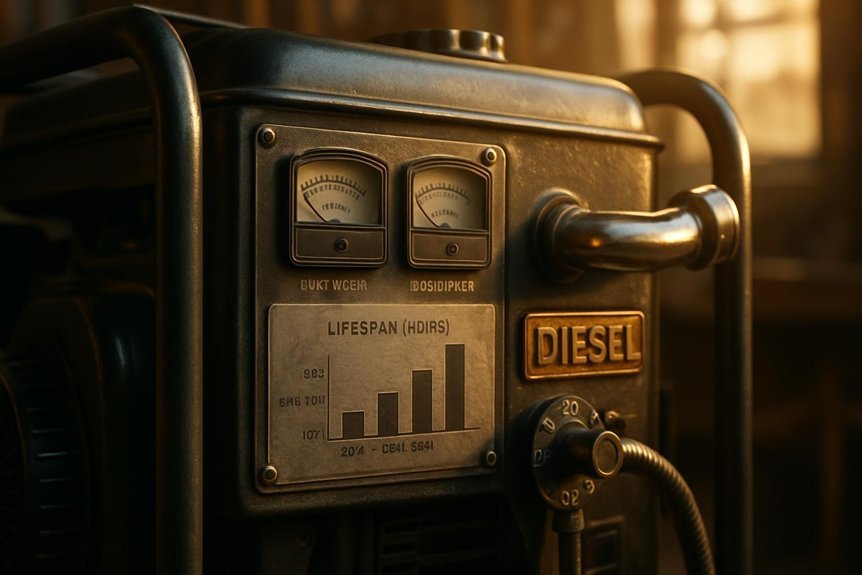
Lifespan varies by generator type due to differences in design, fuel systems, and maintenance needs. We compare gas, diesel, and dual-fuel arrangements to highlight how each governs longevity through component stress, fuel quality, and operating cycles.
- Gas maintenance impacts valve seats, ignition, and carburetion longevity
- Diesel fuel quality affects injector wear, combustion residue, and turbocharged efficiency
- Dual-fuel systems blend stresses from spark and compression ignition
- Cooling, filtration, and lubrication requirements differ by type, shaping wear patterns
- Routine testing, tune-ups, and load management extend usable years across all types
We emphasize precise maintenance schedules and monitoring to maximize reliability, reduce unplanned downtime, and preserve value over time.
Brand Benchmarks: Typical Hours and Years to Expect
We compare typical operating hours, expected lifespan ranges, and how brand variances affect reliability. Our review highlights how different brands set benchmarks for cycle counts, annual hours, and component wear, with clear gaps between top performers and average performers. We’ll outline how to interpret these benchmarks for accurate life expectancy and maintenance planning.
Typical Operating Hours
How many hours can a generator reliably run before major maintenance or component wear becomes likely? We quantify operating hours to set benchmarks for maintenance planning. Typical operating hours reflect load, fuel quality, cooling, and maintenance cadence, not just date stamps. In practice, manufacturers publish duty cycles, but field data matters, too. Below, we present concise benchmarks, focusing on representative performance rather than anecdotal irrelevant topic chatter, or unrelated discussion that clouds decisions.
- Continuous-duty estimates between 1,500–3,500 hours for robust, well-maintained units
- Substantial reliability achieved with clean fuel and proper cooling
- Thermal limits constrain endurance under high-load scenarios
- Regular oil and filter changes extend usable hours
- De-rate after maintenance windows to preserve long-term integrity
Expected Lifespan Range
What range should brands realistically expect for generator components before major wear requires overhaul? We define typical lifespans by component class, not a single number. For engines, expect 1,500–3,000 hours under moderate loading, increasing with proper maintenance and cooling. Transmissions and alternators generally span 5,000–20,000 hours, limited by bearing wear and insulation integrity. Copper windings, stator laminations, and control boards often outlast mechanicals but degrade performance, efficiency, and startup reliability. Environmental conditions, fuel quality, and load cycles drive variance. Price impact appears in retrofit or replacement decisions when part costs approach a new unit’s value, emphasizing lifecycle budgeting. Warranty terms shape risk tolerance and maintenance expectations; extended warranties may alter perceived lifespan more than physical wear, guiding procurement strategies.
Brand Benchmark Variances
Brand benchmarks vary by manufacturer, design philosophy, and qualification tests, so expect meaningful spread in typical hours and years across brands. We examine brand benchmark variances to reveal how each label defines usable life, service intervals, and failure modes. Our focus is on practical expectations, not marketing claims, so readers can compare apples to apples. We highlight how brand variance creates benchmark gaps that affect maintenance planning and warranty interpretation. By aligning testing standards with real-world use, we constrain ambiguity and support informed decisions.
- Variability in expected hours under load
- Differences in rated years of life vs. observed cycles
- Divergent end-of-life criteria and warning thresholds
- Inconsistent maintenance recommendations across brands
- Impact of quality control on long-term reliability
Key Factors That Shorten a Generator’s Life
We see that load stress and maintenance neglect are the primary levers that shorten a generator’s life. We’ll explain how sustained high loads accelerate wear, and how skipped or irregular maintenance accelerates component degradation. Our goal is to help you recognize and mitigate these factors with precise, actionable guidance.
Load Stress Effects
Load stress is a primary driver of generator wear, shortening lifespan when units routinely run near or above their rated capacity. We examine how sustained overload, peak transients, and frequent cycling degrade components and reduce life expectancy. By focusing on load stress, we highlight the impact on windings, bearings, and cooling systems, and we emphasize that endurance testing reveals real-world limits beyond nameplate ratings. Our approach combines data-driven metrics with practical operating guidance to limit harmful conditions and extend service intervals. Monitoring load profiles helps us schedule deratings, ramp management, and opportunistic maintenance. Key actions include validating margins, tracking thermal history, and avoiding unnecessary overload during start-up and peak demand periods.
- Load stress implications on critical components
- How transient peaks accelerate wear
- Role of cooling in thermal management
- Endurance testing as a life predictor
- Operational strategies to reduce risk
Maintenance Neglect Impact
What factors in maintenance neglect most quickly shorten a generator’s life, and how do they compound over time? We monitor key indicators to prevent rapid degradation from maintenance neglect. Infrequent oil changes allow varnish buildup, increasing friction and overheating, while contaminated fuel accelerates injector wear and carburetor clogging. Electrical systems suffer from corroded terminals and degraded insulation, raising failure risk during start‑ups. Lack of airflow checks permits overheating cycles that stress bearings and seals. Improper storage compounds risks: moisture ingress, spontaneous condensation, and fuel legacies that degrade seals and gaskets when idle. We also overlook air filters, leading to reduced cooling and accelerated component fatigue. By addressing routine service and implementing proper storage, we minimize cumulative damage and extend overall generator lifespan.
Factors That Extend Service Life and Reliability
Factors that extend service life and reliability hinge on proactive design choices, material selection, and maintenance discipline. We optimize systems by reducing stress concentrations, selecting compatible lubricants, and implementing robust enclosure protection. Achieving longevity requires careful generator placement to minimize vibration transfer and heat buildup, alongside secure, code-compliant fuel storage to prevent contamination and volatility risks.
- Optimize enclosure design for thermal management and EMI control
- Choose materials with appropriate fatigue and corrosion resistance
- Implement vibration isolation and structural support
- Align electrical clearances with load profiles and fault tolerance
- Establish disciplined fuel storage and handling practices
Maintenance Milestones: Oil, Filters, and Cleaning Schedule
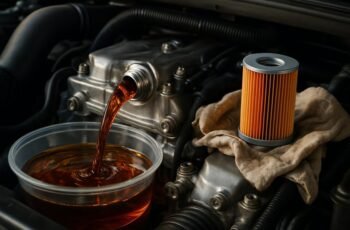
When should you schedule oil changes, filter replacements, and cleaning to keep a generator reliable and ready? We’ll outline milestone intervals tied to duty and environment. Oil changes follow manufacturer intervals, but inspections detect viscosity loss, contamination, and sump debris; perform during cooldown, replace with the recommended grade, and log hours. Filter replacements occur with every major oil service or when air intake shows restriction signs, prioritizing fuel, air, and oil filters per specification. Cleaning focuses on breathers, radiators, and cooling fins to prevent heat buildup; remove dust with nonabrasive tools, avoiding moisture exposure. Track operating hours, load profiles, and environmental dust; adjust schedules for extreme climates or high duty cycles. Consistency sustains efficiency, reduces wear, and extends dependable startup readiness.
Practical Storage and Load Management for Longevity
Proper storage and load management are essential for longevity. We, together with you, focus on minimizing stress cycles and preserving capacitor health through disciplined staging and prioritization. Our approach is data-driven, precise, and concise, avoiding irrelevant topic tangents and unrelated discussion. By controlling storage temperature, humidity, and fuel stability, we reduce degradation and extend usable life. Load management prioritizes steady, within-spec draw, avoiding peak spikes that cause aging. We document procedures and maintain clear, repeatable routines for preparation, discharge, and reloading. This disciplined discipline reduces frost, corrosion, and fuel varnish. Implement the following practices to reinforce stability and reliability:
- Store in a cool, dry environment with sealed containers
- Inspect connections before each startup
- Stage loads to minimize peak demand
- Rotate inventory to ensure fresca fuel
- Log storage conditions and cycles regularly
Early Warning Signs and Replacement Timelines You Should Track
Are warning signs and replacement timelines easy to misread, or can small indicators precede major failures? We track early warning signs that mirror engine health rather than symptoms alone. Frequent hard starting, excessive smoke, or uneven idle signal efficiency losses and mounting wear. Listen for unusual knocking, tapping, or grinding; these noises correlate with bearing deterioration or piston ring wear. Monitor runtime vs. maintenance schedules, and document heat buildup, voltage drift, and load fluctuations. Replacement timelines hinge on maintenance intervals, operating environment, and load history, not just hours run. Prioritize overload safety by calibrating protective devices and performing regular fuel storage checks. Keep records of oil condition, coolant levels, and air filtration. Proactive diagnosis reduces risk, extends life, and preserves reliability.
Frequently Asked Questions
How Does Climate Affect Generator Longevity?
Climate effects accelerate wear and reduce durability indicators, impacting our maintenance cycles and component lifespans. We monitor temperature, humidity, and dust exposure to preserve reliability, and we adjust cooling and lubrication strategies for improved longevity.
Do Generators Last Longer With Higher-Quality Fuels?
We say yes: higher-quality fuels generally extend life, but fuel quality vs. engine wear depends on proper maintenance and additives; fuel stability impacts carbon deposits. We monitor fuel quality, impacts on engine wear, and optimize performance with precision.
Can Standby Generators Outlive Portable Models?
Yes, standby durability generally exceeds portable longevity due to rugged enclosures, superior cooling, and continuous-duty design, though quality matters. Weigh maintenance needs, fuel stability, and load profiles to determine which type best suits your usage and budget.
How Do Seasonal Usage Patterns Impact Life Expectancy?
We weather seasonal usage by aligning cycles with maintenance, and this directly affects life expectancy. We’re the engineers, and seasonal usage dictates wear; generator maintenance reduces stress and extends lifespan, like tuning a clock for optimal performance.
What’s the Impact of Load Cycling on Bearings?
Load cycling accelerates bearing wear through repeated stress and microcracking; impacts hinge on lubrication changes. We’ll monitor temperature spikes, track vibration, and schedule lubrication changes to minimize wear and extend bearing life.
Conclusion
We know a generator’s life isn’t a single number but a map of duty cycles, cooling flows, and maintenance timing. Think of it as a well-tuned engine ferrying power through peak loads and quiet nights alike. With proper oil, clean filters, and disciplined storage, wear stays in check and reliability stays steady. When the map flags warnings, we act—refueling, servicing, and rebalancing loads—so the journey lasts longer and the power terrain stays predictable.