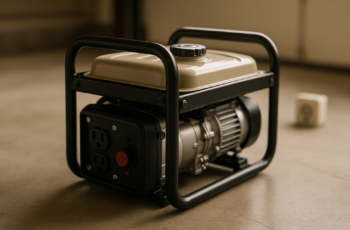
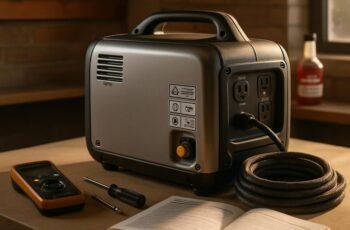
We examine the costs to repair a generator by isolating root causes, parts, labor, and downtime, then frame a bid that itemizes components, labor hours, and fees. We’ll compare repair versus replacement economics and factor in parts availability and lead times. Our approach is methodical and data-driven, aligning diagnostic findings with a transparent estimate. As you consider options, you’ll see why timing and contractor expertise matter—and you’ll want to weigh next steps before committing.
Key Takeaways
- Repair costs vary by root cause, parts, labor, and downtime, from minor fixes to major component replacements.
- Common generator issues include fuel system leaks, ignition faults, charging system problems, and electrical control board failures.
- Decision-making should weigh repair viability against replacement cost, reliability targets, and warranty coverage.
- External factors like part availability, lead times, and shipping costs can significantly affect total repair time and price.
- Accurate bids require documented scope, credentials, itemized parts/labor, and clear warranty terms.
How to Diagnose a Generator Before Repair
Diagnosing a generator before repair starts with a structured checklist to identify the fault quickly and accurately. We approach this systematically, documenting symptoms and establishing baseline readings. First, we verify safety and establish power isolation, then consult the prerepair checklist to confirm common failure modes are considered. Next, we perform functional tests using diagnostic tools to assess electrical output, ignition, and fuel delivery where applicable. We inspect wiring integrity, connectors, and grounding for corrosion or looseness, recording any anomalies. We measure voltage, resistance, and current against manufacturer specs, noting deviations. We test starting systems and controls, evaluating sensor feedback and ECU responses. Finally, we correlate test results with observed performance, prioritizing faults by impact and likelihood, and prepare a concise report to guide precise repair actions.
Typical Generator Repair Costs by Issue
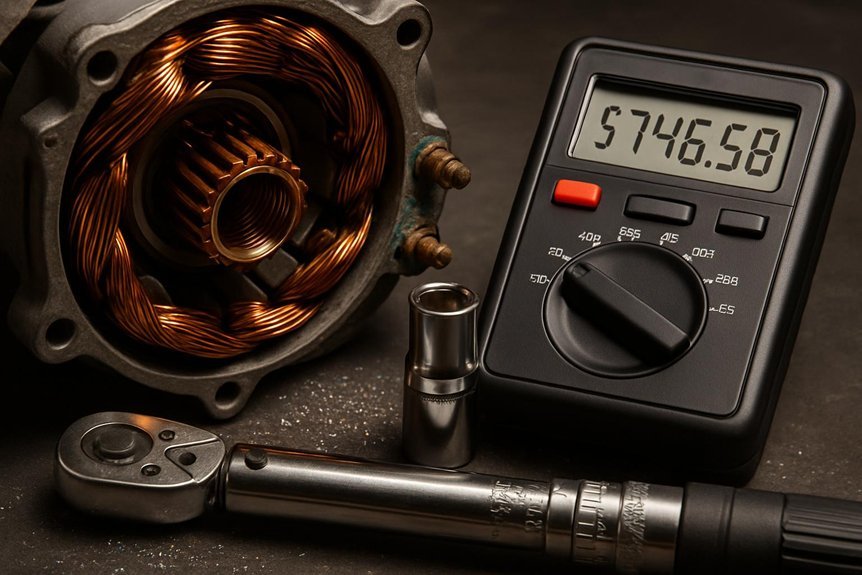
Typical generator repair costs vary by issue because each fault directly drives parts, labor, and downtime. We quantify costs by root cause to map maintenance priorities and warranty implications. We track how failures alter required parts counts, technician time, and system downtime, then align with generator maintenance plans and warranty coverage where applicable. Understanding these taxonomies helps readers anticipate expenses and schedule service windows efficiently.
Typical generator repairs hinge on root cause, guiding parts, labor, and downtime estimates for savvy budgeting.
- Fuel system leaks or injector issues – low-cost parts, moderate labor, short downtime
- Ignition or spark problems – moderate parts, significant diagnostic time, medium downtime
- Charging system or alternator faults – higher parts cost, longer labor, extended downtime
- Electrical control board failures – substantial parts and skilled labor, longest downtime
This framework guides budgeting and highlights warranty coverage where eligible.
When to Repair vs. When to Replace

We’ll outline a clear framework for deciding between repair and replacement, focusing on timing, cost versus expected life, and the severity of damage. We then assess whether repair extends useful life enough to justify cost compared to replacement, using objective thresholds and damage benchmarks. Finally, we quantify decision criteria to guide a precise, data-driven conclusion for readers.
Repair Or Replace Timing
When deciding between repairing or replacing a generator component, we assess cost, reliability, and expected remaining life. Our approach is structured, data-driven, and focused on durable outcomes. We outline a clear sequence to establish timing.
- Evaluate repair options, documenting feasible fixes and their impact on performance.
- Compare replacement criteria against component age, failure modes, and downtime costs.
- Quantify labor, parts availability, and warranty implications to determine total risk.
- Decide, using a threshold where repair is preferred only if prognosis meets reliability targets within budget.
This method ensures decisions are objective, repeatable, and aligned with long-term system integrity. By adhering to repair options and replacement criteria, we minimize surprises and maximize uptime without overinvesting in marginal fixes.
Cost Versus Life Expectancy
How do cost and life expectancy inform our decision to repair versus replace? We approach this with a structured comparison of projected costs and expected service life. We quantify initial repair costs, ongoing maintenance, and probability-adjusted failure risk, then contrast them with a replacement option’s capital outlay and extended reliability. Our method weighs cost vs life: we estimate time-to-failure distributions, remaining useful life, and total cost of ownership over a defined horizon. If a repair yields a marginal life gain at a disproportionate expense, replacement becomes favorable; conversely, a repair that restores near-original performance with modest investment often dominates. We emphasize transparent assumptions, repeatable calculations, and sensitivity checks. In practice, we document decision criteria using repair vs replacement as the guiding framework.
Severity Of Damage Threshold
Severity thresholds frame the repair-or-replace decision by articulating how damage scale and location influence reliability and cost. We assess a generator’s damage gradient by isolating component classes, failure modes, and expected load. Our method yields objective thresholds for intervention, balancing recovery probability against replacement economics. Key signals include structural compromise, core insulation degradation, and functional risk to safety systems. When damage crosses thresholds, replacement often becomes prudent to avoid cascading failure. The following factors sharpen that decision:
1. severity overheating patterns, 2. voltage irregularities, 3. runtime after initial fault, 4. repair feasibility versus parts availability.
We apply these criteria consistently to ensure consistent, data-driven outcomes.
How Parts Availability Impacts Price and Timeline
Parts availability directly shapes both price and timeline, so we assess stock levels, lead times, and substitute parts before committing to repair paths. We’ll outline how supplier schedules, component scarcity, and demand shifts drive price fluctuations and schedule estimates. By clarifying these drivers, we establish a precise framework for evaluating repair options against timing constraints.
Parts Availability Timelines
Part availability directly drives repair timelines and total cost; when essential components are scarce, shops must source alternatives or wait for back-ordered parts, extending downtime and sometimes increasing prices due to expedited shipping or aftermarket options. We approach this systematically to minimize diagnostic delays and avoid unnecessary parts shortages.
- We map part lineage and lead times to forecast downtime accurately.
- We verify compatibility across model variants before ordering.
- We prioritize critical components first to reduce return trips and delays.
- We document back-ordered items and adjust project milestones accordingly.
Price Fluctuation Drivers
Price fluctuations are tightly linked to how fast and reliably parts become available. We examine how sourcing constraints shape pricing volatility by tracing lead times, supplier reliability, and batch production cycles. When parts lag, you’ll see intensified price shifts as distributors rebalance inventories and factories prioritize critical components. We track these dynamics with a disciplined approach: quantify wait times, map alternate suppliers, and compare proposed timelines against actual delivery. We also account for macro factors that amplify variability, such as fuel costs and transportation delays, which affect both unit and expedited shipping charges. Our method emphasizes transparent cost attribution, so you can anticipate potential surcharges and schedule repairs with greater confidence. Informed decisions emerge from correlating availability signals with observed price movements and repair timelines.
Saving Money: Tips to Minimize Downtime and Labor
How can we minimize downtime and labor costs when repairing a generator? We approach this with disciplined planning, standardized processes, and rapid decision making to keep field work efficient and predictable. By aligning parts, technicians, and site access, we reduce idle time and maximize wrench time.
- Preassemble critical assemblies to shorten on-site labor.
- Implement a standardized diagnostic protocol to prevent detours.
- Coordinate parts logistics with just-in-time deliveries to avoid storage delays.
- Schedule work in optimal windows using dependable crew availability and access.
We emphasize how to source affordable parts and apply timely scheduling strategies to limit backorders and overtime. Our method remains precise, minimizing non-value-added activities while preserving system reliability and safety.
How to Get Accurate Estimates From Technicians
We establish a disciplined approach to gathering estimates from technicians by defining the scope, criteria, and data sources up front. We align expectations, detail needed measurements, and specify components to include in every quote. Our process emphasizes accurate communication and verifies technician credentials before evaluation, ensuring legitimacy and consistency. We request itemized labor, parts, and fees, plus timeframes and warranty terms, to enable apples-to-apples comparisons. We assess assumptions, replacement criteria, and redundancy options to avoid hidden costs. We verify insurance, licensing, and references as part of due diligence. Use a consistent format for all bids, with clear breakdowns and qualification notes. Table illustrates roles, data points, and validation steps.
| Role | Data Point | Validation |
|---|---|---|
| Scope | Parts | Credentials |
| Labor | Time estimates | References |
Frequently Asked Questions
Do Generators Have Warranty Coverage Affecting Repair Cost?
Yes, our generator warranty often covers certain repairs; repair coverage depends on terms, exclusions, and time. We assess eligibility, document fault codes, and verify warranty status before proceeding, ensuring you understand coverage limits, deductibles, and required service providers.
How Does Fuel Type Influence Repair Pricing and Parts Availability?
About 60% of buyers see fuel efficiency improvements as a priority; fuel type can shift prices and parts availability. We’ll compare fuel efficiency and oil requirements, detailing procedures, part sourcing, and maintenance intervals for precise, methodical estimates.
Can Generator Backups Impact Home Insurance Premiums?
Yes, generator backups can affect home insurance premiums. We assess risk, coverage limits, and proven reliability; generator insurance and the warranty impact must be reviewed when determining premium changes and claim likelihood.
What Safety Certifications Should I Require From a Tech?
Safety certifications matter; we insist on skilled, certified technicians. We require industry-standard safety certifications and align with insurance requirements. We’ll verify qualifications, ensure proper procedures, and document compliance, delivering precise, protocol-driven, professional performance for your protection.
Are There Hidden Fees Beyond Labor and Parts?
Yes—there can be hidden fees beyond labor costs, such as diagnostic charges, travel, and disposal. We thoroughly itemize all line items, verify scope, and confirm, in writing, before any work begins.
Conclusion
We’ve walked you through diagnosing, costing, and weighing repair versus replacement, so you can steer the process with confidence. By itemizing parts, labor, and fees and aligning them to concrete findings, you’ll avoid guesswork and runtime surprises. Think of the bid as a roadmap—clear, testable, and auditable. With careful sourcing and a disciplined approach, downtime becomes a controllable variable, not a fate. We’re here to help you make the smartest, least risky choice.