Like a ticking metronome we rely on, generator maintenance keeps time with reliability. We understand neglect, irregular service, and environmental stress accelerate wear, so we track load profiles, inspections, and fluid changes to slow creep. Contaminants, temperature swings, and corrosion demand standardized checklists and data-driven schedules that minimize downtime. We’ll outline practical steps, diagnose faults early, and align intervals—but a critical decision point awaits as we balance cost, risk, and asset life.
Key Takeaways
- Improper operating practices and skipped inspections accelerate cumulative defects in lubrication, cooling, and electrical systems.
- Irregular servicing and poor maintenance scheduling lead to creeping degradation and late fault detection.
- Environmental factors (dust, humidity, temperature swings) accelerate corrosion and insulation aging.
- Fuel quality, contaminants, and fuel system issues cause deposits, wear, and unreliable combustion.
- Inadequate diagnostics and misaligned preventive tasks hinder timely fault isolation and reliable shutdown protection.
What Causes Common Generator Maintenance Issues
Common generator maintenance issues stem from a few recurring root causes: improper operating practices, inadequate or irregular servicing, and environmental factors that accelerate wear. We observe these patterns across equipment generations and duty cycles, then translate them into actionable controls. Improper practices, like neglecting load profiling or skipping routine inspections, reduce generator reliability and increase failure probability. Inadequate servicing creates cumulative defects in lubrication, cooling, and electrical connections, elevating the risk of unexpected outages and longer maintenance downtime. Irregular servicing allows creeping degradation, making early fault detection impractical and repair complexity higher. Environmental factors—dust, humidity, and temperature swings—accelerate corrosion and insulation aging, compromising performance margins. By standardizing procedures, adherence to scheduling, and mitigating exposure, we preserve reliability and minimize maintenance downtime without sacrificing safety or precision.
How Fuel Quality Impacts Generator Reliability
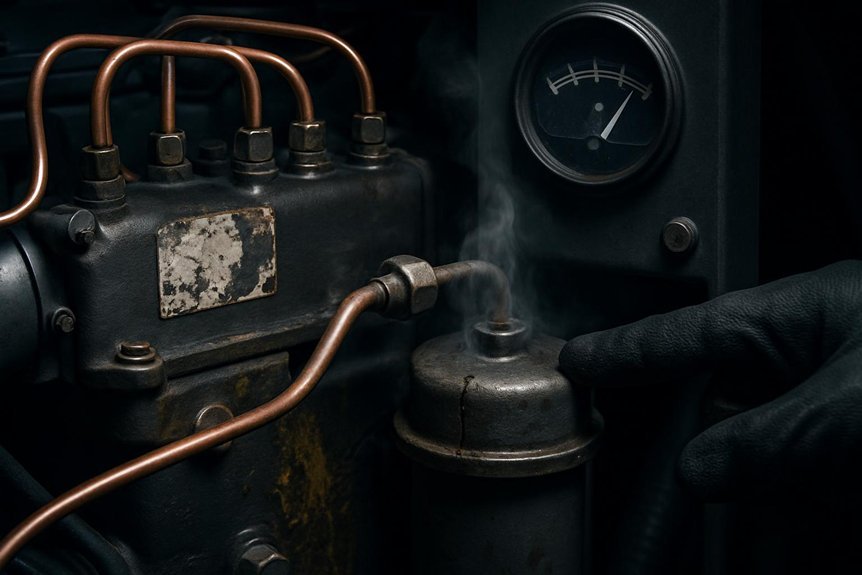
We recognize that fuel quality directly affects combustion stability and overall reliability. Contaminants and improper blends can cause deposits, injector wear, and performance loss, which we must monitor and address systematically. We’ll outline how fuel quality, combustion behavior, and contaminants interact to influence generator uptime and maintenance decisions.
Fuel Quality and Combustion
Fuel quality directly influences combustion efficiency, injector performance, and overall reliability of generator operation. We assess how fuel quality shapes our combustion profile, fuel system wear, and heat release consistency. Poor-quality fuel elevates deposits, increases octane variability, and fosters incomplete combustion, reducing efficiency and elevating unburned hydrocarbons. We monitor sulfur content, cetane index, and stability to predict knock risk and throttle response. Maintaining consistent fuel quality improves combustion efficiency, reduces fouling, and extends service life of pumps and injectors.
| Attribute | Impact on Operation |
|---|---|
| Cetane/Ignition Quality | Affects start and stable flame propagation |
| Deposit Tendency | Drives cleaning frequency and maintenance |
Bottom line: controlling fuel quality stabilizes combustion efficiency and generator reliability.
Contaminants Impacting Performance
Contaminants in fuel directly affect performance by altering combustion stability, accelerating wear, and reducing reliability. We examine how improper fuel quality introduces particulates, water, and chemical contaminants that disrupt injector spray patterns and cause premature injector failure. By identifying contaminants sources, we map how inconsistent supply chains, storage practices, and poor handling introduce debris and moisture that seed corrosion and varnish formation in pumps and filters. We then assess filtration effectiveness, focusing on micron ratings, flow compatibility, and filter change intervals to maintain clean fuel paths. Our approach combines routine sampling, inline sensor data, and maintenance logs to detect rising impurity levels before performance degradation occurs. When contaminants are controlled, combustion becomes steadier, wear slows, and overall generator reliability improves.
Preventing Air and Fuel System Blockages
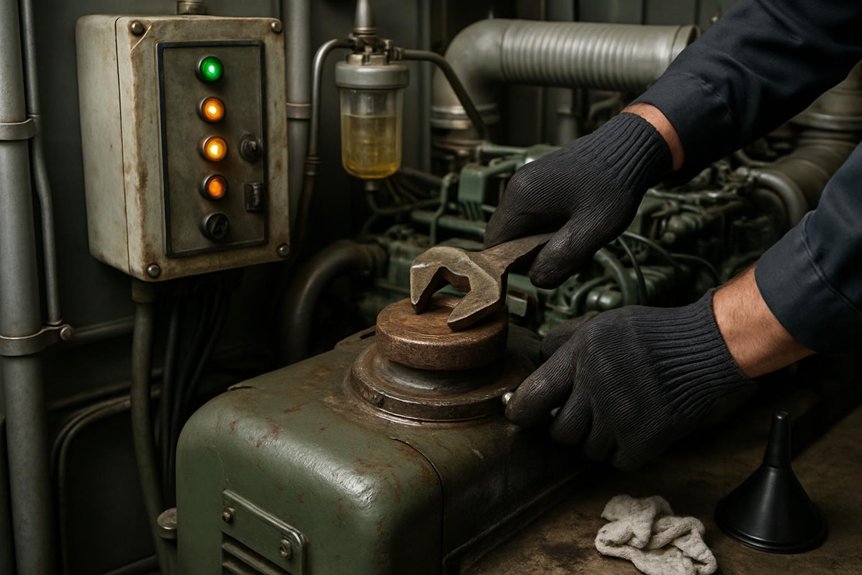
What common causes lead to air and fuel system blockages, and how can we prevent them? We identify debris, moisture, and stagnant fuel as primary culprits. Regular inspection, proper sealing, and timely filtration reduce risk. We minimize contamination by preserving clean air intake paths and ensuring fuel storage conditions deter water ingress. Our approach combines best-practice handling with systematic maintenance to sustain uninterrupted flow.
| Column A | Column B |
|---|---|
| Inspect air intake for obstructions and seal joints to prevent debris. | Check fuel storage, drain water traps, and replace filters per schedule. |
| Replace filters on schedule and use clean storage containers. | Monitor for varnish buildup and treat with approved cleaners if needed. |
| Verify fuel lines are free of kinks and corrosion. | Ensure moisture control and venting in fuel systems. |
Cooling System Failures and Overheating Risks
We will start by outlining Cooling System Diagnostics to identify leaks, blockages, and pump or thermostat failures. We’ll examine Overheating Risk Factors, including ambient conditions, cooling capacity, and coolant integrity, to prioritize corrective actions. We’ll then outline Maintenance Preventive Measures, emphasizing regular fluid checks, thermostat and pump inspections, and system flushes to sustain reliable cooling performance.
Cooling System Diagnostics
Do overheating risks threaten system reliability whenever coolant flow slows or fails? We address cooling system diagnostics with a structured, methodical approach. We inspect coolant levels, reservoir integrity, and hose connections for leaks, ensuring no air entrainment. Next, we verify pump operation, thermostat response, and radiator fins for blockages or corrosion, noting flow velocity and temperature differentials across the core. Our diagnostics checklist emphasizes pressure tests, cap integrity, and sensor calibration to detect abnormal readings early. We document fan operation, relay status, and wiring continuity to prevent intermittent failures. We isolate external heat sources and verify accessory heat exchangers are clean. All findings are recorded against baseline performance, guiding corrective actions and maintenance scheduling. This disciplined process minimizes downtime and preserves system reliability.
Overheating Risk Factors
Overheating risks emerge when cooling system performance declines or fails, making it essential to connect diagnostics to observed symptoms. We identify core factors: coolant flow restrictions, pump wear, thermostat delays, and radiator inefficiencies that raise engine compartment temperatures. We assess temperature differentials across the heat exchanger and correlate them with load profiles to pinpoint abrupt deviations. Our method emphasizes repeatable checks: verify fan operation, inspect hoses for collapse or leaks, and confirm proper coolant concentration. We also consider startup sequencing, ensuring the engine reaches target RPMs smoothly and avoids surge conditions that stress cooling capacity. We emphasize reliable insulation in critical areas to reduce heat ingress, while tracking ambient influence on thermal margin. Diagnoses guide prioritized corrective actions, preserving system longevity and protecting electrical load integrity.
Maintenance Preventive Measures
Could cooling system failures really derail performance? We’ll outline preventive measures to guard against overheating and maintain reliability. We emphasize routine inspection, proactive maintenance, and real-time insight. Our approach combines systematic checks, component scheduling, and data-driven decisions, all aimed at preserving efficiency and uptime. By prioritizing coolant integrity, pump function, and temperature trending, we reduce failure risk and extend service life. We’ll also address budgeting considerations and monitoring strategies to support sustained operation.
| Area | Action |
|---|---|
| Monitoring | Implement remote monitoring for temps, pressures, and flow; set alarms and thresholds. |
| Budgeting | Allocate funds for preventive parts, fluids, and calibration; plan for annual reviews. |
Electrical Faults That Trigger Shutdowns
Electrical faults that trigger shutdowns are typically the result of electrical instability, incorrect wiring, or component failure that prompts protective systems to act. We examine how these faults develop, detect, and respond, then define practical remedies. Our focus is fault isolation and circuit protection as core mechanisms for safe, predictable shutdowns. We map a sequence: symptom recognition, fault location, isolation strategy, and engaging protective devices. When instability arises, rapid isolation minimizes collateral damage and preserves healthy sections. Wiring errors are identified through schematic checks, continuity tests, and re-termination as needed. Component failures trigger targeted protection—fuses, breakers, or automatic relays—to prevent overloads. After an event, we verify that protection layers operate correctly and confirm reset criteria are met. Our approach emphasizes disciplined diagnostics, repeatable procedures, and documented results.
Diagnosing Warning Lights and Sensor Alarms
Why do warning lights and sensor alarms occur, and how do we diagnose them quickly and accurately? We begin by cataloging diagnostic indicators from the control panel, then cross-checking with engine data. Each warning code maps to a singular subsystem: electrical, cooling, fuel, or lubrication. We verify sensor alarms by reviewing recent sensor trends, ensuring grounds are solid and wiring intact. We test elevated readings with known-good reference values, ruling out transient spikes caused by startup loads or battery voltage fluctuations. We reset noncritical alerts after confirming parameters return to normal. If a fault persists, we isolate with targeted components, using calibrated tools and repeatable procedures. Documentation notes the fault code, time, and corrective action for future reference and trend analysis.
Routine Maintenance Checklist for Standby Generators
Routine maintenance for standby generators guarantees reliability between inspections. We provide a concise checklist to standardize tasks, minimize downtime, and preserve performance. First, confirm maintenance scheduling aligns with manufacturer intervals and site usage patterns, updating records promptly. Inspect fuel, oil, and coolant levels; replace fluids per specs and test for leaks. Check battery health, connections, and charging circuitry, ensuring adequate electrolyte levels and cranking power. Exercise the generator under load briefly to verify response, transfer switch operation, and signaling. Inspect air filters, hoses, and belts for wear, replacing as recommended. Verify lubrication paths, cooling fans, and radiator cleanliness to prevent overheating. Document any anomalies, schedule follow-ups, and emphasize standby generator safety during every procedure. Maintain clear, legible logs to support ongoing reliability and risk reduction.
Troubleshooting Portable Generators on Budget
We’ll approach troubleshooting portable generators on a budget with a practical, methodical plan: identify the symptom, isolate likely causes, and apply low-cost fixes that don’t compromise safety or reliability. We speak to you plainly: cheap fuel can mask issues, and cheap fuel quality impacts combustion and output. We’ll use budget sensors to verify readings without expensive gear, ensuring safe operation. Our approach is repeatable and data-driven.
1) Symptom-driven triage: observe, document, and reproduce the issue to avoid guesswork.
2) Cause isolation: test fuel, air, spark, and load paths, prioritizing mechanical binding or dirty components.
3) Corrective action: perform targeted cleanings, quick adjustments, and affordable replacements, then retest.
If symptoms persist, escalate to safe, proven steps without dramatic overhauls.
Proactive Scheduling to Avoid Downtime and Costs
Proactive scheduling minimizes downtime and slashes costs by aligning maintenance tasks with actual wear signals rather’t wait for a failure. We implement timing optimization by forecasting when components reach inspection thresholds through data logs, vibration analysis, and runtime history. This approach reduces emergency repairs and inventory waste, while preserving reliability. We align service windows with load profiles and seasonality, minimizing disruption to operations. Our risk assessment quantifies failure probabilities and consequences, guiding maintenance cadence and parts availability. We document trigger conditions, preventive tasks, and confirmation checks to verify integrity after service. By integrating conditional monitoring, we shift from reactive to planned interventions, improving safety margins and asset longevity. Communication with operators ensures visibility into schedules, expected downtimes, and residual risk.
Frequently Asked Questions
How Often Should Generator Oil Be Changed for Optimal Life?
We change oil at a peak cadence every 100 hours of operation or annually, whichever comes first, to maximize life. Our oil change cadence aligns with maintenance scheduling, ensuring consistent lubrication and dependable performance for your generator.
What Are Signs of Battery Sulfation in Standby Units?
We observe signs of battery sulfation in standby units: reduced capacity, slower cranking, visible white deposits, high internal resistance, and intermittent failures. We recommend testing, equalizing, and timely replacement to maintain reliability and prevent outages.
Do Transfer Switches Affect Generator Startup Reliability?
Yes—transfer switches can affect startup reliability by isolating or coordinating source power; we monitor oil change frequency, battery sulfation signs, fuel additives impact, altitude effects on performance, and cooling efficiency to ensure consistent starts.
Can Fuel Additives Harm Modern Diesel Generators?
We investigated whether fuel additives harm modern diesel generators: generally, legitimate additives won’t damage engines when specified, but improper formulations can reduce fuel efficiency and cause excessive fuel dilution, potentially increasing wear and noise. We’ll verify compatibility, oil, and filters.
How Does Altitude Impact Generator Performance and Cooling?
Altitude effects reduce air density, lowering combustion efficiency and power output, while cooling efficiency drops due to thinner air. We monitor intake, adjust fuel maps, and optimize fan speed to maintain safe operating temperatures and stable performance.
Conclusion
We’ve seen how neglect threads through every fault, from dirty fuels to overheated cores. When coincidence aligns—a dusty intake, a skipped service, a late warning—the result isn’t just a hiccup; it’s a creeping reliability loss we all feel. So we act: standardize checklists, time-fluid changes, and data-driven schedules. If we stay proactive together, the same asset behaves better when we need it most, and downtime becomes a partner we outwit, not an inevitability.