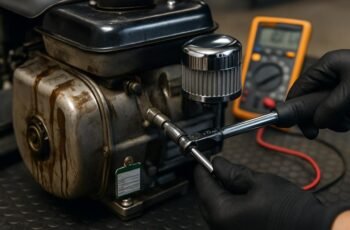
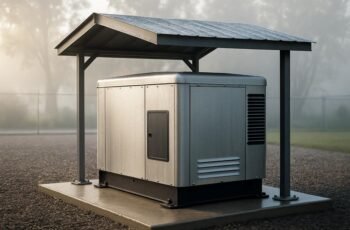
We approach generator care with a precise, methodical mindset: selecting the right unit, sizing for essential loads, and planning for startup surge while preserving durability. We’ll outline routine maintenance, fuel and battery care, and safe operation practices, then pair seasonal storage with preventive checks. Our aim is reliable, efficient performance and clear documentation. If you’re ready to tighten routines and minimize downtime, we’ll guide you step by step toward a robust maintenance cadence and decisive action when issues arise.
Key Takeaways
- Regularly assess sizing, fuel, and load needs to prevent under- or over-provisioning and ensure reliable startup with proper transfer switches.
- Follow safe startup and staged loading procedures to minimize inrush, monitor gauges, and prioritize critical loads during operation.
- Conduct routine monthly maintenance: visual inspections, control panel tests, environmental checks, and exercise switches and breakers.
- Manage fresh fuel, battery health, oil longevity, and seasonal storage to extend equipment life and prevent degradation.
- Maintain thorough documentation: record deviations, corrective actions, diagnostics, and preventive maintenance for continuous readiness.
How to Choose the Right Generator for Your Home
Choosing the right generator starts with a clear assessment of your power needs and operating conditions. We approach selection methodically, cataloging essential loads, peak demand, and duration of use to determine baseline capacity. We evaluate starting requirements, surge tolerance, and compatibility with existing circuits, ensuring seamless integration with transfer switches and backup systems. We compare efficiency ratings, runtime, and maintenance accessibility, then translate these findings into a generator sizing target that avoids both under- and over-provisioning. We consider fuel mix implications, balancing fuel availability, storage safety, and environmental factors to optimize reliability and cost. We document duty cycles, weather exposure, and noise constraints, selecting models with appropriate enclosure, electrical protections, and warranty coverage. Finally, we verify installation feasibility and supplier support for long-term performance.
Routine Maintenance You Can Do Monthly
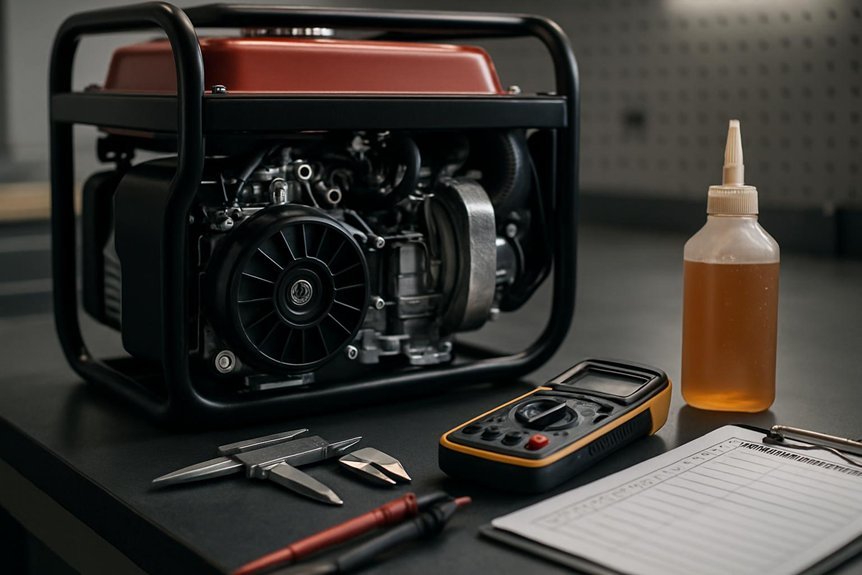
Routine monthly maintenance is a disciplined, repeatable process that keeps your generator reliable under load. We begin by confirming the unit is at an idle temperature and disconnect power to prevent inadvertent starts. Next, we perform a visual inspection for leaks, corrosion, and loose connections, noting any irregularities in a log. We verify exhaust vents are clear and that cooling fins remain unobstructed. We test the control panel indicators, confirming voltmeter, hour meter, and warning alarms respond correctly. We exercise the switch and circuit breakers to ensure smooth operation. We execute a controlled run under no-load and then light-load conditions to observe stability, listening for abnormal sounds. Finally, we document findings, schedule the next routine checkups, and reset maintenance reminders.
Oil, Fuel, and Battery: Keeping Essentials Fresh
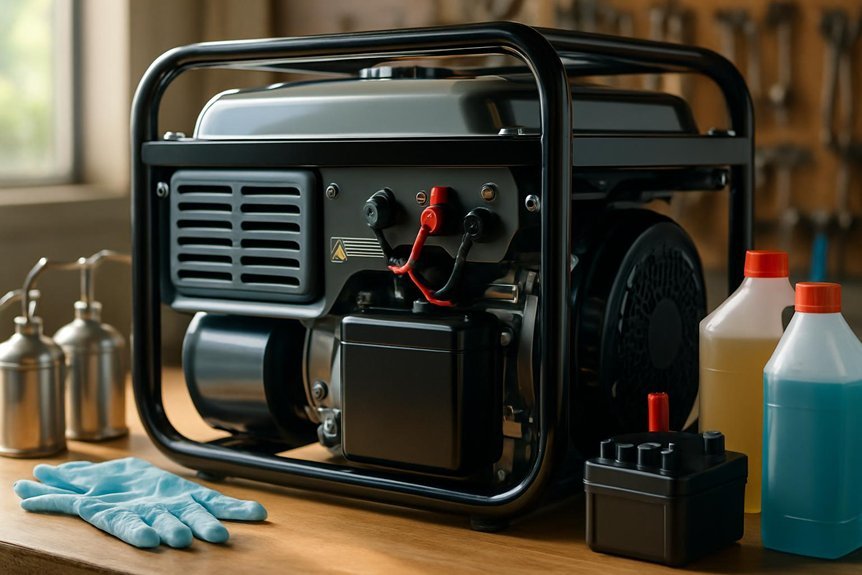
We’ll outline practical best practices for Fresh Fuel, Battery Preservation, and Oil Longevity to keep your generator reliable. We’ll cover why stabilizers, proper storage, and fuel rotation matter, plus concise steps for extending battery life and oil consistency. Our goal is precise guidelines you can apply now to maintain freshness and readiness.
Fresh Fuel Practices
What’s the best way to ensure Fresh Fuel Practices keep your generator reliable: we’ll cover oil, fuel, and battery where keeping essentials fresh is non-negotiable for performance. We, together, manage fuel quality through regular testing, correct octane, and additive use when storing fuel. We monitor storage stability by limiting exposure to heat, condensation, and air, and we rotate stock to minimize oxidation. We perform seal checks, use airtight containers, and add stabilizers per manufacturer guidance. We avoid ethanol-containing fuels when possible and drain stale fuel before long-term storage. We label dates and dispose of expired product. We document batch receipts, refueling intervals, and storage conditions to ensure traceability. By maintaining disciplined practices, fresh fuel supports consistent combustion, predictable run time, and reliable startup.
Battery Preservation Tips
Battery preservation hinges on maintaining a healthy charge and clean connections, because a tired or sulfated battery can sap startup power and shorten run times. We approach preservation with a disciplined method, focusing on battery chemistry and reliable charging cycles to maximize lifespan.
1) Inspect terminals and cables for corrosion; clean with a non-abrasive solution and reconnect snugly.
2) Maintain a consistent state of charge; use a smart charger that respects battery chemistry and schedules rest periods.
3) Monitor voltage and specific gravity as appropriate, logging parameters for trend analysis to detect irregular запрашиваемый conditions.
4) Schedule periodic load tests and equalization when recommended by the manufacturer to restore capacity without overstressing cells.
Oil Longevity Guide
Oil longevity begins with proper formulation and storage practices that preserve lubrication properties and fuel freshness. We examine storage duration, seal integrity, and additive compatibility to maintain oil longevity and fuel stability. We advise selecting lubricants with appropriate viscosity at operating temperature and low volatility to minimize evaporation losses. We monitor exposure to heat, moisture, and contaminants, using sealed containers and desiccants where applicable. We implement periodic evaluation of aged oil via viscosity checks and contaminant analysis, replacing when limits are exceeded. For fuels, we favor stabilized blends and keep tanks topped to reduce oxidation. We document shelf life, rotation schedules, and retirement thresholds to sustain performance. Together, we maintain consistent oil longevity and fuel stability across our generator maintenance program.
Safe Startup, Operation, and Load Management
We’ll start with Safe Startup Practices to ensure a controlled, repeatable ignition sequence and verify that fuel, battery, and cooling systems respond as designed. Next, we’ll address Efficient Load Management by matching generator output to demand, avoiding abrupt changes, and monitoring heat, voltage, and frequency within spec. Finally, we’ll outline Safe Operational Procedures to establish safe startup, steady running, and proper shutdown, with clear fault handling and documentation for every step.
Safe Startup Practices
How do we ensure a safe startup? We approach initiation with disciplined checks, clear sequencing, and controlled load engagement. We implement procedural safeguards to minimize risk and maximize reliability.
- Verify prerequisites: fuel level, oil, battery charge, and cooling clearance.
- Inspect connections: secure terminals, grounded frame, and proper conduit routing to prevent chafing.
- Confirm environment: generator placement respects ventilation and away from ignition sources, while noise reduction measures are in place.
- Execute start sequence: engage choke if applicable, monitor gauges, and gradually apply load to avoid surges.
We document each step, monitor for anomalies, and pause if readings deviate from tolerances. With these practices, startup remains predictable, repeatable, and safe, sustaining performance and longevity.
Efficient Load Management
Efficient load management begins with controlled engagement and continuous monitoring, building on disciplined startup practices to sustain performance. We approach operation with a structured workflow: establish a target runtime window, verify ambient conditions, and confirm fuel, cooling, and electrical interfaces meet rated requirements. We apply generator sizing principles to align capacity with expected demand, avoiding oversubscription and underutilization. Load prioritization guides real-time decisions, ensuring critical loads maintain continuity during fluctuations. We implement staggered ramping, sequencing nonessential circuits to prevent sudden inrush, and we monitor frequency and voltage within tight tolerances. Regular surveys of load profiles refine future runs, promoting efficiency and component longevity. Documentation captures deviations, corrective actions, and performance benchmarks, enabling continual improvement while preserving safe, predictable, and economical operation.
Safe Operational Procedures
What are the essential steps for safe startup, steady operation, and responsible load management of our generator system? We address these procedures with precision, focusing on generator maintenance and safety protocols to minimize risk and maximize reliability.
- Verify fuel, oil, and coolant levels; inspect belts, hoses, and connections for signs of wear.
- Ensure area is clear of ignition sources; connect load sequentially and monitor gauges for abnormal readings.
- Initiate startup per manufacturer sequence; verify oil pressure, voltage, and frequency within spec before loading.
- Maintain stable load and perform regular shutdown, post-test checks, and routine maintenance documentation.
Adhering to these steps helps prevent faults, prolongs life, and supports safe, efficient operation.
Preventive Care Across Seasons and Storage Tips
Preventive care across seasons and proper storage start with a clear routine: we proactively inspect, clean, and protect the generator before weather shifts or long idle periods. Our approach emphasizes disciplined maintenance scheduling, documented procedures, and repeatable steps. We perform a thorough visual inspection, verify fluid levels, and check belts, hoses, and connections for signs of wear or corrosion. We drain and replace old fuel where applicable, or stabilize it for storage, and apply fresh oil according to manufacturer guidelines. We protect electrical enclosures, seal vents, and ensure proper ventilation during idle periods. For seasonal storage, we disconnect auxiliary power sources, lubricate moving parts, and store in a dry, controlled environment. We schedule periodic rechecks to confirm readiness before reactivation.
Quick Diagnostics and Troubleshooting Common Issues
When quick diagnostics begin, we first establish a baselined health check to pinpoint faults efficiently. With baseline data in hand, we proceed using a repeatable workflow, documenting findings clearly and concisely. Our goal is to isolate symptoms from root causes, enabling targeted fixes without unnecessary steps. Below are core actions we perform for quick diagnostics and troubleshooting basics:
- Verify fuel quality, line integrity, and air filters to rule out intake restrictions.
- Test battery health and charging circuit; monitor voltage under load.
- Check spark plug condition and ignition timing where applicable.
- Run a controlled load test, observing voltage stability and shutdown behavior.
These steps emphasize consistency, safety, and repeatability, ensuring reliable issue identification and efficient restoration of performance.
When to Call in a Pro: Signs of Major Problems
As our quick diagnostics identify many issues early, we’ve built clear criteria for when issues exceed in-house fixes. When we monitor performance, two word topics like fuel delivery and electrical regulation become red flags if symptoms escalate. If you notice persistent power loss, unusual surges, or prolonged startup cycles despite routine maintenance, these are indicators of major problems requiring professional assessment. Sudden electrical shocks, overheating beyond normal warm-up, or audible grinding during operation signal potential generator failure or safety hazards. Complex faults in control boards, cooling systems, or fuel pumps demand specialized diagnostic tools and certified technicians. If any major problems are suspected, don’t hesitate to schedule a service visit; timely professional intervention minimizes downtime and safety risks.
Frequently Asked Questions
How Often Should You Test a Generator’s Transfer Switch?
We test the transfer switch at least monthly during active operation, and after any maintenance; this ensures reliability. Our maintenance scheduling includes quarterly full-cycle tests, documenting test intervals, results, and any anomalies for prompt corrective actions.
Can a Generator Run on Mixed Fuel Types Safely?
Yes—we don’t recommend running a generator on mixed fuel types due to safety. Our two word discussion idea focuses on mixed fuel safety, outlining engine corrosion risks, abrupt power loss, and mandatory fuel system isolation before any switching.
What Noise Level Is Acceptable for Residential Generators?
We answer: acceptable residential generator noise should be within typical decibels specified by local codes; we aim for low disturbances, 50–70 dB at 7–10 meters, with regular maintenance schedules and installation clearances.
How to Dispose of Expired Generator Oil Responsibly?
We dispose of expired oil responsibly by taking it to a certified facility for expired oil disposal, where we follow local regulations; recycling options include taking it to a recycling center or service station that accepts used oil.
What Steps to Take After a Prolonged Power Outage?
To minimize risk after a prolonged outage, we prioritize generator maintenance and emergency planning, checking fuel, oil, and battery first. We’ll test startup, run cycles, inspect loads, and document procedures—this is our hurricane‑proof, all‑weather backup plan.
Conclusion
We’ve mapped a clear, methodical path from selection to routine care, ensuring your generator stays reliable, safe, and efficient. By sizing for essential loads, managing startup inrush, and maintaining oil, fuel, and batteries, you’ll extend life and performance. Seasonal storage and proactive diagnostics close gaps before failures. Ready for regular checks and documented records? If a issue arises, you’ll know when to escalate. Isn’t disciplined maintenance the surest route to uninterrupted power?