We’ll walk you through generator troubleshooting step by step, framing each decision against model, age, and past issues, then checking maintenance, operating conditions, fuel quality, and oil schedules. We’ll verify load history, startup behavior, alarms, and any external damage while ensuring proper mounting and safety—electrical isolation, grounding, leak checks, and PPE. We perform quick startup tests, confirm fuel and battery health, listen for odd sounds, and assess idle and charging, all before we decide what to repair or replace, or when to call a pro.
Key Takeaways
- Start with pre-troubleshooting checks: model/age, maintenance, fuel/oil, load history, alarms, and mounting/ventilation.
- Ensure safety first: isolate electricals, ground properly, check for leaks, wear PPE, and follow fire protocols.
- Do quick startup tests: inspect fuel system, verify fuel quality, check battery/cranking, and listen for timing or compression cues.
- Diagnose step by step: verify load, monitor voltage/frequency, inspect sounds, compare to specs, rule out transient conditions.
- Decide on repair vs replace: weigh history and costs, fix minor issues, and involve pros for complex electrical faults.
What to Know Before Troubleshooting a Generator
Before you start troubleshooting a generator, gather essential information and safety measures to prevent harm and misdiagnosis. We approach this with a clear plan: confirm model, age, and prior issues, plus recent maintenance and operating conditions. We examine fuel quality and the oil schedule, noting any changes that could affect performance. We assess load history, starting and running behavior, and any alarms or indicator lights. We’ll check for obvious external damage, proper ventilation, and secure mounting. We stay aware that engine wear can mimic electrical faults, so we separate mechanical from electrical symptoms methodically. We document all findings before any test, ensuring we don’t overlook simple causes. Our goal is a precise baseline that guides safe, effective diagnostics without unnecessary risk or assumptions.
Safety Checks That Protect You and the Unit
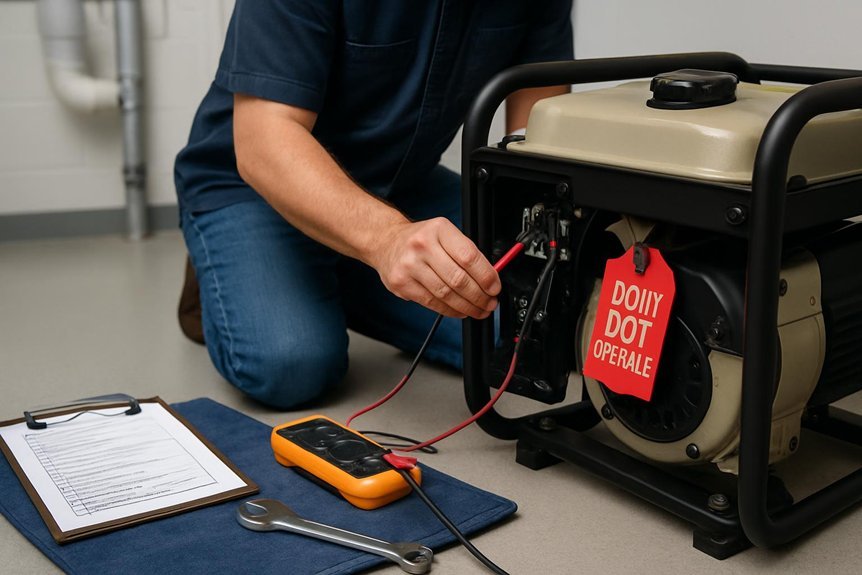
We’ve covered the groundwork for diagnosing a generator, so now we focus on safety checks that protect you and the unit. First, we verify electrical isolation, ensuring the unit is off and unplugged before inspection. Next, we confirm proper grounding and the absence of fuel leaks, checking hoses, fittings, and containment. We scan for corrosion, loose connections, and frayed wires, tightening or replacing components as needed. We reference safety protocols to guide PPE use, ventilation, and fire suppression readiness. We watch for warning signs like overheating, unusual smells, or vibrations, which indicate an underlying fault. We document findings clearly, so future checks are faster. Finally, we reset any safety devices only after confirming the root cause is addressed, avoiding risky re-energizing.
Quick Startup Tests to Identify Common Faults
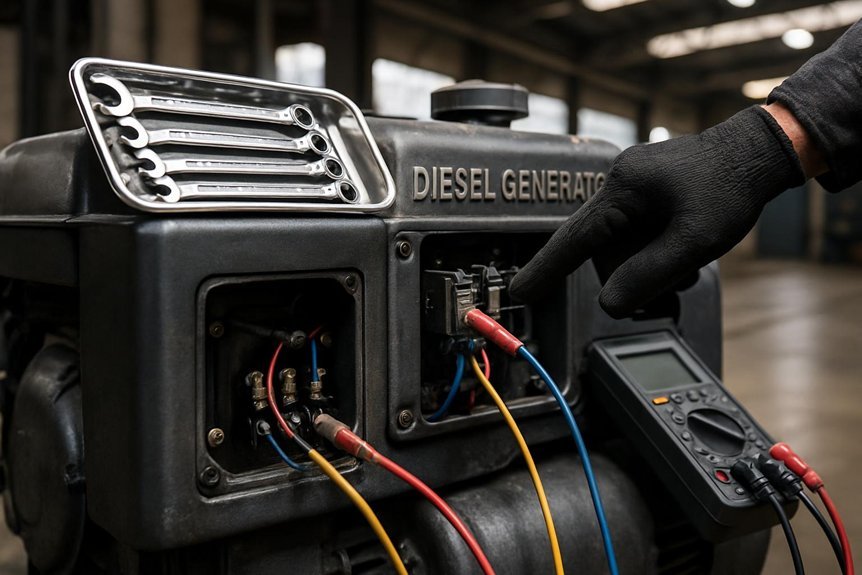
How can we quickly confirm a generator’s baseline performance and pinpoint common faults without extensive teardown? We start with a controlled, stepwise check of the start-up process. First, we inspect the fuel system for obvious leaks, air locks, or degraded hoses, then verify fuel cleanliness and proper viscosity. Next, we monitor cranking speed and battery health, noting any slow or inconsistent ignition. We listen for start up noise patterns that deviate from the norm, which can signal timing or compression issues. We perform a brief idle test, observing steady RPM and smooth transition to load. Finally, we confirm charging system function and oil pressure within spec. These quick checks isolate faults efficiently while avoiding unnecessary disassembly.
Diagnosing Performance Issues Step by Step
Diagnosing performance issues requires a structured approach to isolate where power output or efficiency drops. We’ll guide you through a disciplined sequence: verify load expectations, measure voltage and frequency stability, and examine current draw against rated specifications. Next, assess combustion indicators, noting any abnormal sounds or sensations that hint at ignition timing or fuel delivery concerns. We’ll compare observed data to manufacturer thresholds, ruling out transient conditions like weather or altitudinal effects before narrowing to the core subsystem. Pay attention to start up vibrations as a potential symptom of misalignment, lubrication, or mounting stress. Consider fuel quality, looking for contamination, water, or degraded octane that could undermine peak efficiency. Document findings, repeat measurements, and escalate only when results remain inconclusive.
When to Repair, Replace, or Call a Pro
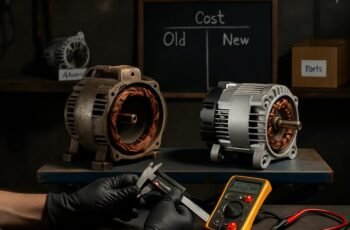
From the performance-check steps, we’ve gathered data on how the generator behaves under load, so now we decide when to repair, replace, or call a pro. Our approach is systematic: evaluate symptoms, history, and risk rather than assume. If a repair promises reliable start up clarity and restores consistent output without excessive downtime, we pursue it. Minor issues, like a stubborn fuel system clog or intermittent startup, often respond to targeted fixes. When costs approach or exceed replacement value, or safety is compromised, replacement becomes the prudent option. Complex electrical faults, corroded components, or repeated failures after informed repairs warrant expert assessment. In all cases, we document findings, compare expected service life, and decide whether professional diagnostics are essential.
Frequently Asked Questions
How Often Should I Change the Generator Oil?
We change the oil every 50–100 hours of operation, depending on load and oil type, following our oil change interval in the maintenance schedule. For long-term storage, follow fuel storage safety and long term storage recommendations.
Can a Generator Run Without a Muffler or Spark Arrestor?
Yes, a generator can run without a muffler or spark arrestor, but we don’t recommend it because it violates safety regulations and increases fire and noise risks; generator maintenance and safety regulations demand proper exhaust components. We’ll explain further.
What’s the Best Fuel for Long-Term Storage?
We recommend fuel stabilization with ethanol-free gasoline or add stabilizer for long term storage. Our long term storage tips include treating fuel, running engine, and storing in a cool, sealed container to prevent degradation.
Do Generators Require a Grounding Rod for Home Use?
Grounding basics: yes, generators need proper grounding and a rod isn’t always required for every setup, but we advocate cautious home safety. We prefer a grounded system, professional evaluation, and clear, methodical steps to guarantee safety.
How to Reset a Tripped Circuit Breaker Safely?
We reset the tripped breaker by turning it fully off, then back to on after inspecting for overheating or overload; ensure cooling system works and address any abnormal noise for safer operation and noise reduction.
Conclusion
We’ve walked you through a methodical, step-by-step approach to diagnosing a generator, from safety checks to quick startup tests and systematic diagnosis. One interesting stat to hook you: properly scheduled maintenance can extend generator life by up to 40% and cut unscheduled failures in half. By sticking to the outlined process, you’ll identify issues early, verify specs and fuel/oil health, and decide when repair, replacement, or pro help is warranted—keeping you safe and on track.