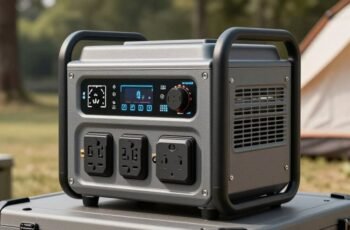
When preparing for hurricane season, it’s wise to take into account that not all portable generators are created equal regarding resilience and performance. Selecting a model with a robust inverter system, weatherproof enclosure, and high surge capacity is essential to guarantee stable power for critical devices. But what other features truly make a generator reliable during extended outages? Understanding these specifics can greatly influence your safety and comfort when it matters most.
Key Takeaways
- Prioritize inverter generators with stable power output and high surge capacity for sensitive electronics and heavy appliances.
- Choose models with weather-resistant enclosures and durable construction to withstand harsh storm conditions.
- Ensure sufficient fuel capacity and runtime (8–12 hours) for extended outages without frequent refueling.
- Opt for low-noise models or those with sound-dampening features to minimize communication disruptions.
- Select lightweight, portable units with wheels and handles for quick deployment and easy transport during emergencies.
What Features Make a Portable Generator Suitable for Hurricanes?

When selecting a portable generator for hurricane preparedness, certain features are vital to guarantee reliability and safety during power outages. First, a robust inverter system ensures stable, clean power output, protecting sensitive electronics from voltage fluctuations. High surge capacity is essential for starting heavy appliances like refrigerators and HVAC units. The generator must also feature durable, weather-resistant enclosures to withstand harsh conditions and prevent water ingress. Low-oil shutdown mechanisms protect the engine from damage during extended use, while automatic voltage regulation maintains consistent power delivery. Additionally, multiple outlets—including weatherproof outlets—offer flexibility for connecting various devices simultaneously. A lightweight, compact design with sturdy handles enhances portability, allowing quick deployment. These features collectively ensure the generator’s reliability, durability, and safety during hurricane-induced outages.
How Important Is Fuel Capacity and Run Time During Power Outages?
Fuel capacity and run time are critical factors in guaranteeing a portable generator can effectively sustain power during extended outages caused by hurricanes. Higher fuel capacity directly correlates with longer operation periods, reducing the need for frequent refueling, which can be difficult during severe weather. Run time depends on the generator’s fuel efficiency and load capacity; a generator with a larger fuel tank can operate continuously for several hours under typical loads. For emergency preparedness, selecting a model with at least 8–12 hours of run time at 50% load ensures reliable power without constant intervention. Precise calculations of expected consumption based on appliance load are essential. Ultimately, adequate fuel capacity minimizes downtime, maintains critical equipment, and enhances overall safety during prolonged outages.
What Safety Features Should You Look for in a Hurricane-Ready Generator?
Ensuring safety during hurricane-related power outages requires selecting a generator equipped with essential safety features that mitigate risk and protect users. Key features include automatic low-oil shutdown, which prevents engine damage and reduces fire risk by shutting off the unit when oil levels are insufficient. Ground-fault circuit interrupters (GFCIs) are critical for preventing electrical shocks by disconnecting power upon detecting imbalance or leakage. Additionally, a robust circuit breaker system protects against overloads, ensuring the generator isn’t damaged during peak demand. Enclosed or weather-resistant panels prevent debris ingress and reduce exposure to moisture, minimizing electrical hazards. Ultimately, clear, accessible control panels with safety indicators facilitate proper operation and quick shutdown in emergency situations. These safety features collectively enhance operational security and user protection during hurricane emergencies.
Why Portability and Ease of Transport Matter in Emergencies
The ability to quickly relocate a generator during a hurricane emergency can considerably impact response efficiency and safety. Portable generators that are easy to move enable rapid deployment to strategic locations, assuring critical devices remain powered as conditions evolve. Ease of transport reduces logistical delays, allowing responders to position equipment closer to affected areas without excessive effort.
Quickly relocating generators during hurricanes enhances response speed and safety, ensuring vital devices stay powered where needed most.
Key features include:
- Lightweight design: Minimizes physical strain during movement.
- Integrated handles: Facilitates secure grip and maneuverability.
- Wheel systems: Enables smooth transportation over uneven terrain.
- Compact footprint: Simplifies storage and quick deployment in limited space.
Prioritizing these features ensures generators can be swiftly relocated, optimizing power availability and reducing response times during emergency scenarios.
How Noise Levels Affect Usability During Hurricanes
High noise levels from portable generators can markedly disrupt communication during hurricanes, impairing our ability to coordinate emergency responses effectively. Excessive sound can interfere with radio and voice transmissions, creating barriers to critical information exchange. Consequently, understanding and managing generator noise output is essential to maintaining operational clarity in disaster scenarios.
Noise Disruption During Power Outages
During hurricane-induced power outages, noise generated by portable generators can substantially hinder communication and safety efforts. Elevated sound levels interfere with the ability to hear emergency alerts, crucial instructions, and warnings from neighbors or officials. They also impair auditory situational awareness, critical during chaotic conditions. Key factors influencing noise disruption include:
- Decibel level (dB): Higher decibel ratings increase the likelihood of sound pollution and communication barriers.
- Operational proximity: Closer placement to living or working spaces amplifies noise impact.
- Sound frequency: Certain frequencies may penetrate barriers more effectively, affecting nearby residents.
- Duration of operation: Extended use results in cumulative noise exposure, straining mental and physical health.
Understanding these technical aspects helps in selecting generators that minimize noise disruption while maintaining essential power functions.
Impact on Emergency Communication
Elevated noise levels from portable generators can substantially impair emergency communication efforts during hurricane outages. High decibel emissions create a significant auditory barrier, making it difficult for responders and affected individuals to hear critical alerts, instructions, or distress signals. This interference compromises two-way radio clarity, reducing the effectiveness of coordinated rescue operations. Additionally, ambient noise can mask important environmental cues, such as sirens or alarms, hindering situational awareness. Noise pollution also increases listener fatigue, decreasing attention span and decision-making accuracy during stressful scenarios. To mitigate these issues, selecting generators with low noise emissions or incorporating sound-dampening enclosures is essential. Prioritizing quieter models enhances communication reliability and overall emergency response efficiency during hurricane-related power disruptions.
What Maintenance and Durability Factors Ensure Long-Term Reliability
Regular maintenance is crucial to guarantee the long-term reliability of portable generators used during hurricanes, as it directly impacts their operational readiness and durability. Proper upkeep ensures critical components function effectively and prevents unexpected failures. Key factors include:
- Corrosion resistance: Use of corrosion-proof materials for panels and fasteners to withstand humidity and salt exposure.
- Engine lubrication: Regular oil checks and changes to prevent wear and maintain efficiency.
- Cooling system integrity: Ensuring radiators and cooling fans are free of debris to avoid overheating.
- Vibration damping: Proper mounting and vibration isolators to reduce mechanical stress on internal parts.
Adhering to manufacturer-recommended maintenance schedules and performing thorough inspections before each use maximizes longevity. These practices are essential for ensuring dependable power during emergency situations.
How to Choose a Generator Based on Your Power Needs and Budget
Selecting the right portable generator depends on accurately evaluating your power requirements and budget constraints. First, determine the total wattage of essential appliances, including refrigerators, lights, and medical devices, to establish a baseline power need. Use this to select a generator with a continuous wattage rating slightly above your maximum load to guarantee reliable operation. Consider fuel efficiency and runtime, especially during prolonged outages. Budget-wise, balance initial purchase cost against long-term fuel and maintenance expenses. Opt for inverter generators if noise levels and power quality are priorities, particularly for sensitive electronics. Conversely, open-frame models may suit more robust, less sensitive loads but tend to be less portable. Precise assessment of your load and financial parameters guides you toward a generator that maximizes performance within your budget.
Frequently Asked Questions
Are Solar-Powered Generators a Viable Option for Hurricane Preparedness?
Yes, solar-powered generators are viable for hurricane prep, offering renewable, quiet energy, and portability. However, they depend on sunlight, have limited power output, and require battery storage, so we recommend pairing them with traditional backup sources.
How Do Inverter Generators Compare to Traditional Models During Storms?
Ever wondered how inverter generators stack up during storms? They provide cleaner, more stable power with lower noise levels and higher fuel efficiency, making them ideal for sensitive electronics, unlike traditional models that may produce fluctuating, less reliable output.
Can Portable Generators Be Safely Used Indoors During Hurricanes?
We advise against using portable generators indoors during hurricanes due to dangerous carbon monoxide risks. Always operate generators outdoors in well-ventilated areas, keeping them away from windows and vents to guarantee safety and proper ventilation.
What Are the Best Storage Practices for Generators Post-Hurricane?
We store generators in a dry, ventilated area, disconnect batteries, drain fuel, and cover them with weatherproof materials to prevent corrosion. Regular inspections guarantee they’re ready for next storm, avoiding costly, hazardous damage from improper storage.
How Do Weather Conditions Affect Generator Performance and Safety?
Weather conditions can considerably impact our generator’s performance and safety; rain causes corrosion and electrical hazards, while wind can cause physical damage. We guarantee proper shelter, grounding, and maintenance to mitigate these risks effectively.
Conclusion
In the storm’s eye, selecting the right generator is akin to wielding a reliable lighthouse—steadfast, bright, and resilient against the tempest. Prioritizing inverter stability, weatherproofing, safety features, and portability guarantees your power source withstands nature’s fury. By rigorously matching your needs with these technical essentials, you’ll navigate hurricane outages with confidence, turning chaos into controlled calm. Remember, a well-chosen generator is the anchor that keeps your safety and comfort firmly afloat amid the roaring winds.