When selecting a portable generator for tailgating, we recognize the importance of accurately determining your power requirements and understanding key specifications to ensure reliable operation. By systematically evaluating your device wattages, fuel options, and safety features, you can make an informed choice that balances convenience and performance. This process is critical to avoid under or overestimating your needs, which could impact your overall tailgating experience—so let’s explore the essential factors that guide you toward the right model.
Key Takeaways
- Determine your essential devices’ total wattage, including startup peaks, and add a safety margin of 15-25%.
- Choose a generator with a wattage capacity slightly above your total power needs for reliability.
- Consider fuel type based on availability, emissions, and runtime requirements.
- Compare features such as noise level, portability, and outlet options to suit tailgating conditions.
- Prioritize safety, maintenance, and proper operation to ensure efficient and safe generator use.
How to Determine the Power Needs for Your Tailgate Setup
To accurately determine the power requirements for your tailgate setup, we need to identify all devices and appliances you plan to operate simultaneously. Start by listing each device, noting their individual wattage ratings, which are typically found on labels or in user manuals. Include essential items such as portable grills, lights, speakers, and electronic devices like laptops or TVs. Calculate the total starting wattage for devices with motors or compressors, as they often require surge power. Sum these figures to establish the continuous power load. Keep in mind that some appliances may have higher startup power than running power, so it’s prudent to add a safety margin—generally 15-25%—to guarantee your generator can handle the peak demand without overload.
What Size Portable Generator Is Best for Tailgating?
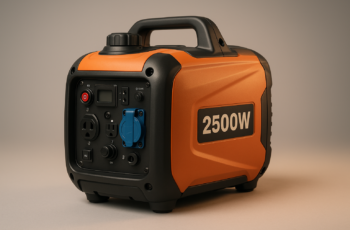
Selecting the appropriate size of a portable generator for tailgating depends on the total wattage of all devices and appliances you plan to run simultaneously, including surge demands. To determine this, sum the running wattage of essential items like mini-fridges, lights, and audio equipment, then add their startup wattages, which are often higher. For most tailgating setups, a generator in the 2000 to 3000-watt range provides sufficient capacity for multiple devices without overload. Larger models, above 4000 watts, are suitable for more extensive setups or high-power appliances. It’s vital to choose a generator that exceeds your calculated wattage needs slightly to accommodate startup surges and guarantee reliable operation. Precise sizing minimizes the risk of overloads and maximizes efficiency during your tailgate.
Which Fuel Type Offers the Best Convenience and Efficiency?
When choosing a fuel type for your portable generator, convenience and efficiency are critical factors that can substantially impact your tailgating experience. Gasoline engines are widely available, offering rapid refueling and straightforward storage, making them suitable for short-term use. However, they typically consume fuel quickly and emit higher emissions, reducing overall effectiveness. Propane generators excel in convenience due to cleaner operation, lower emissions, and longer shelf life of fuel, but require a dedicated tank or connection, which can be less portable. Diesel models are highly efficient for long-duration use, providing better fuel economy and durability, yet they often have larger, heavier units, and fuel availability may be limited at some venues. Selecting the most suitable fuel type depends on balancing operational efficiency with logistical convenience for your specific tailgating needs.
How to Compare Features and Price to Find the Right Model
Comparing features and prices effectively requires a systematic approach to identify the model that best meets our specific tailgating needs. First, establish essential specifications such as wattage output, run time, and noise level, aligning them with your power requirements and environment. Next, evaluate additional features like portability, outlet variety, and fuel efficiency, which influence convenience and long-term costs. When appraising prices, consider the total cost of ownership, including maintenance and potential upgrades. Use side-by-side comparison charts to objectively analyze models based on these criteria. Prioritize models that balance performance with affordability, guaranteeing they meet your operational needs without unnecessary expense. This methodical evaluation ensures the selected generator offers top value and functionality for tailgating scenarios.
Tips for Maintaining and Operating Your Portable Generator Safely
To operate your portable generator safely and maintain its ideal performance, it’s essential to follow proper procedures consistently. First, always perform regular inspections before use, checking for fuel leaks, oil levels, and corrosion. Second, adhere to manufacturer-recommended maintenance schedules, including oil changes and filter replacements, to guarantee optimal operation. Third, follow safety protocols such as grounding the generator properly, keeping it in a well-ventilated area, and avoiding overloads. Proper storage after use, including draining fuel if stored long-term, prevents deterioration and potential hazards. By systematically following these steps, you minimize risks, extend the lifespan of your generator, and ensure reliable power during tailgating events. Precision in maintenance and operation is key to safety and efficiency.
Frequently Asked Questions
Are There Quiet Portable Generators Suitable for Tailgating?
Yes, we recommend quiet portable generators for tailgating, typically with sound levels below 60 decibels, featuring inverter technology for stable power, lightweight design for portability, and sufficient wattage to power essential devices efficiently.
Can I Run My Refrigerator and TV Simultaneously on a Portable Generator?
Yes, you can run your refrigerator and TV simultaneously on a portable generator if it supplies sufficient wattage, typically around 3000-4000 watts. Confirm the generator’s surge capacity matches the combined startup wattage of both appliances.
What Safety Accessories Should I Have for Portable Generator Use?
We recommend grounding mats, fire extinguishers, and proper extension cords with surge protection. These safety accessories guarantee safe operation, prevent electrical hazards, and keep your tailgating fun intact by minimizing risks associated with portable generator use.
How Long Can a Portable Generator Run Continuously During Tailgating?
We can typically run portable generators continuously for 8 to 12 hours, depending on their fuel capacity and load. To maximize runtime, guarantee proper maintenance, monitor fuel levels, and avoid overloading the generator during extended tailgating events.
Are There Portable Generators Designed Specifically for Outdoor Use?
Think of outdoor-specific portable generators as sturdy bridges, built to withstand elements. They feature weather-resistant enclosures, sealed outlets, and rugged frames, ensuring reliable power in outdoor environments, even under harsh conditions.
Conclusion
Ultimately, selecting the right portable generator hinges on understanding your specific power demands and balancing convenience with performance. We find that meticulous planning often reveals unexpected needs, underscoring the importance of thorough assessment. By carefully comparing features and maintaining your unit, you guarantee reliability when it matters most. This attention to detail transforms what might seem like a simple choice into a strategic decision, making your tailgating experience not just enjoyable, but confidently prepared for any scenario.