Jackery Solar Generator Plus review: a serious home-backup power station
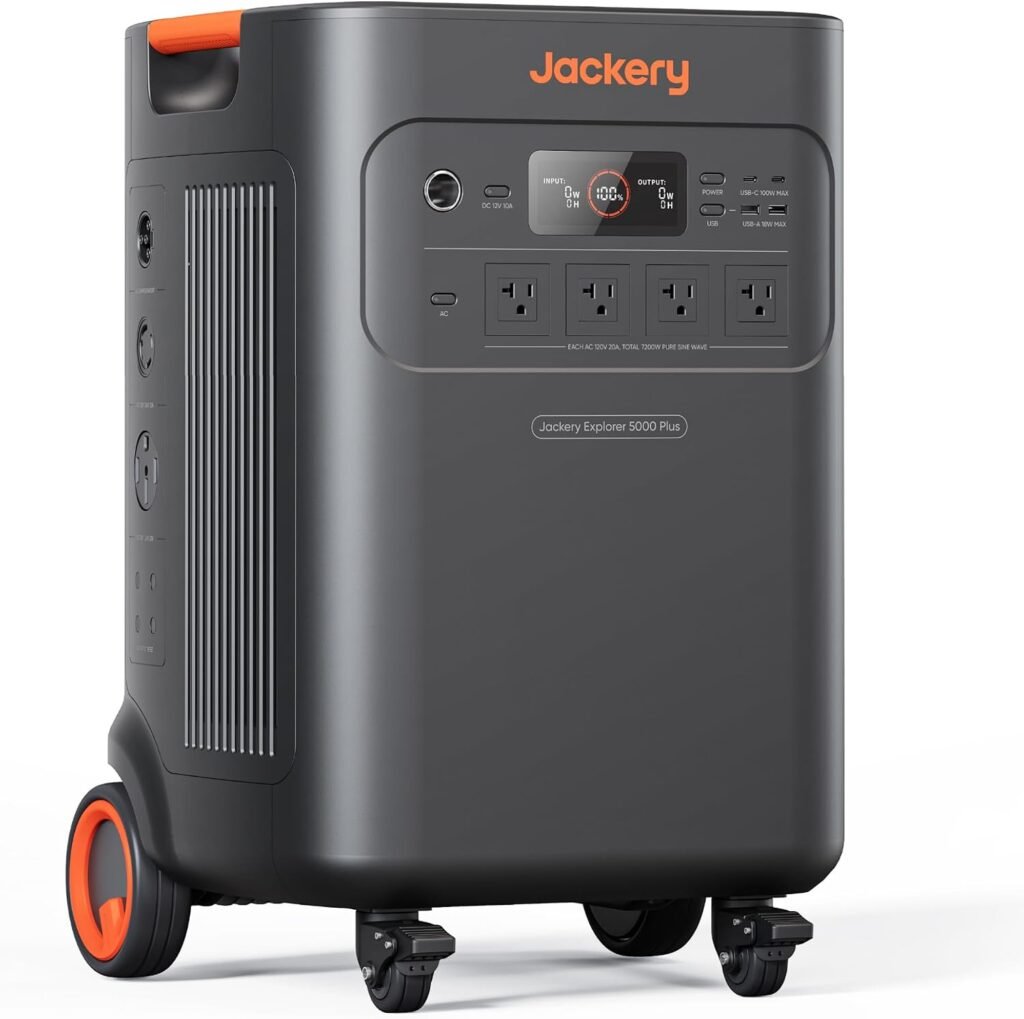
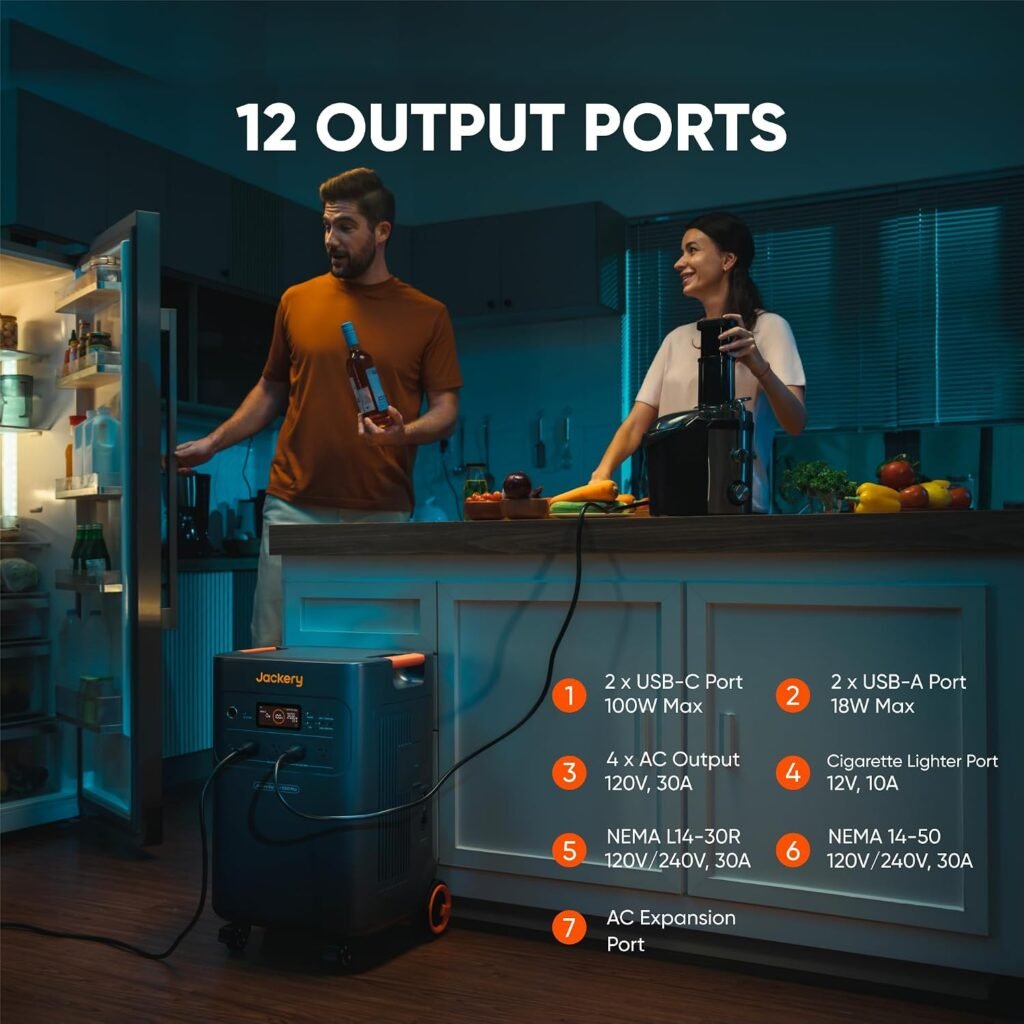
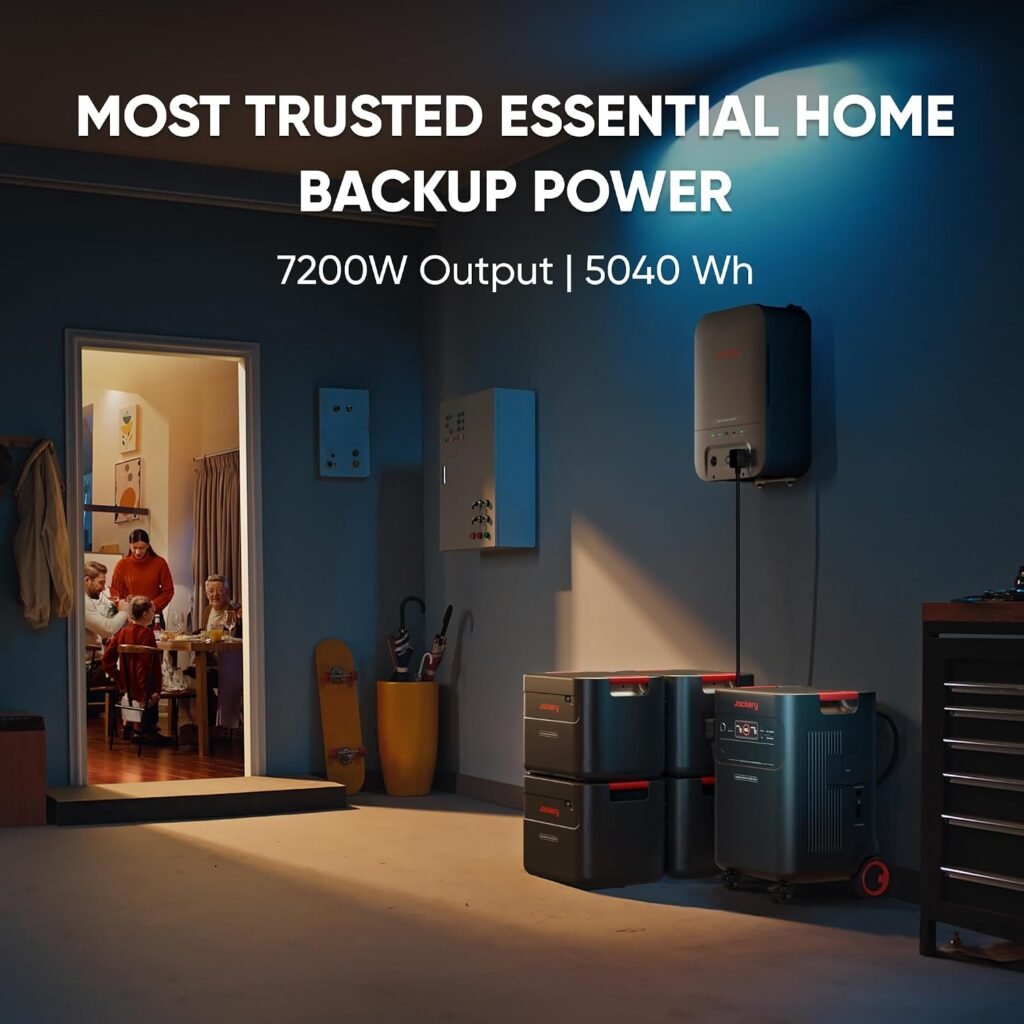
Most portable power stations are built for phones, lights, laptops, and perhaps a small refrigerator. The Jackery Solar Generator Plus is aimed at a tougher problem: keeping important household equipment operating during a prolonged power cut. Its $3149 base price buys a 5040Wh LiFePO4 battery, 7200W of rated output, 14,400W of surge capacity, and support for both 120V and 240V AC loads.
That price does not automatically include a solar array. Solar panels are optional, so the complete off-grid setup can cost considerably more. Our early assessment for buyers is straightforward: this is worth considering for homeowners who need high-output emergency backup and expandable storage, but it is excessive for basic electronics or casual weekend camping.
We assess the system through its listed specifications, charging capability, expansion options, home-integration equipment, customer-review information supplied for the listing, and alternatives with lower output. The key question is not whether it produces impressive numbers; it is whether your essential appliances justify a large, relatively expensive backup system.

Product overview and key specifications
The central distinction is between stored energy and power delivery. Watt-hours describe the amount of energy held in the battery, while watts describe the load the inverter can run or start. A large battery can last a long time with modest appliances, but it still needs sufficient output for equipment with powerful motors or heating elements.
| Specification | Listed detail |
|---|---|
| Battery capacity | 5040Wh |
| Battery chemistry | LiFePO4 |
| Rated AC output | 7200W |
| Surge output | 14,400W |
| AC support | 120V and 240V |
| Maximum solar input | Up to 4000W |
| Maximum expansion | Up to 60kWh |
| Listed price | $3149 |
This combination makes the Jackery Solar Generator Plus a home-backup system that can also suit an RV, workshop, or remote property. It is not best understood as a lightweight battery for a short camping trip. Before ordering, decide which appliances matter, how long an outage normally lasts, how much solar equipment you can afford, and whether selected household circuits need automatic backup.
For example, refrigeration, a sump pump, communications equipment, lighting, and medical equipment have very different energy requirements from a water heater or air conditioner. Make that distinction before judging capacity, because appliance runtime depends on actual consumption rather than the headline battery figure alone.
Jackery Solar Generator Plus power output and appliance support
The 7200W continuous rating gives this unit a substantial operating margin for demanding loads, while the 14,400W surge figure is relevant when compressors, pumps, and other motors start. An appliance may draw far more power for a brief moment than it uses after reaching normal operation, so a station that can run a device steadily may still struggle if its startup demand is too high.
Jackery lists support for 120V and 240V equipment, including a 5-ton air conditioner and a water heater. That does not mean either appliance will run for an unlimited period. High-wattage heating and cooling loads can consume the finite battery reserve rapidly, even when the inverter starts them successfully.
We recommend a simple load check before connecting anything:
- Write down every essential appliance and its normal running wattage.
- Find the startup or locked-rotor demand for motors and compressors.
- Add the loads that may operate at the same time and keep the total below the continuous output.
- Plan which devices will be switched off when a high-demand appliance starts.
Actual runtime will change with duty cycles, inverter losses, ambient conditions, reserve settings, and simultaneous use. Household circuits must not be connected directly without suitable transfer equipment and professional guidance; incorrect wiring can create a dangerous backfeed condition.

Battery capacity, LiFePO4 durability, and 60kWh expansion
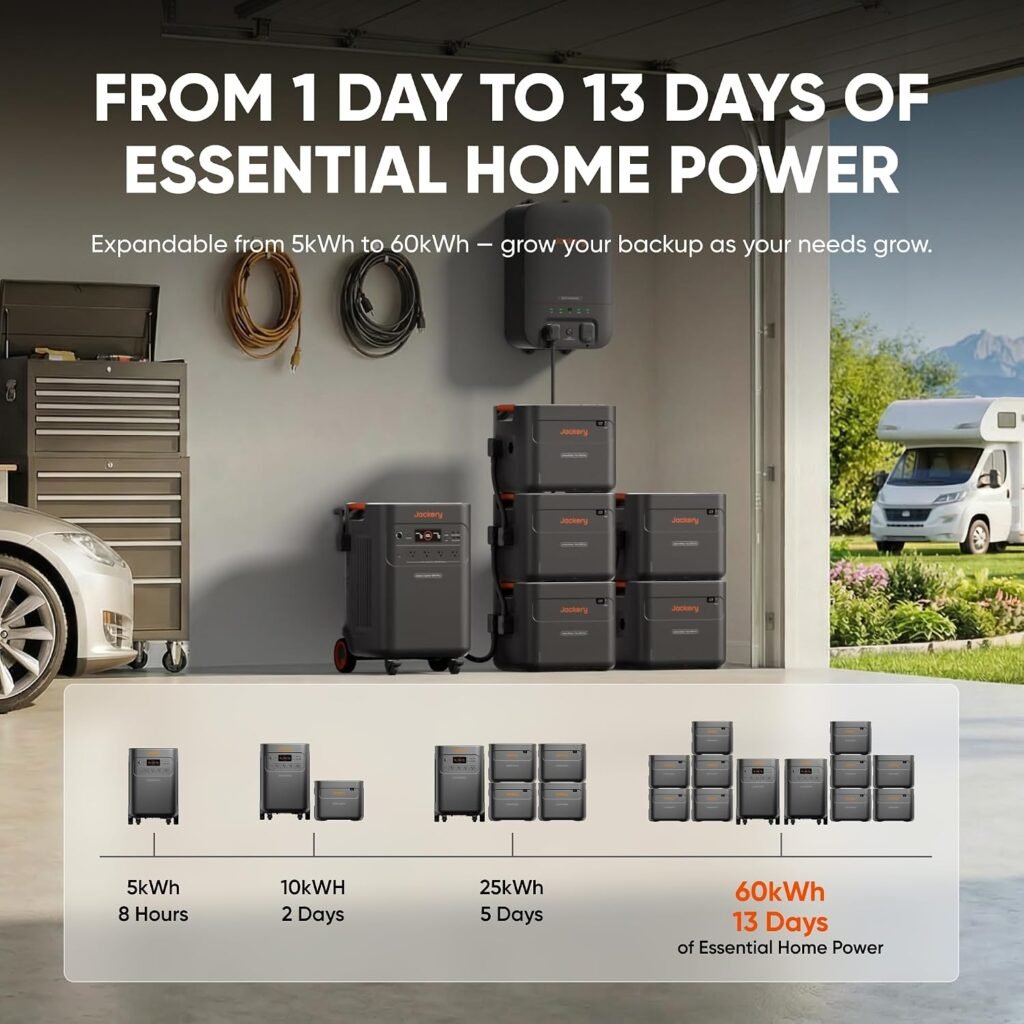
The starting capacity is 5040Wh, and the advertised architecture can grow to 60kWh for longer outages. That gives buyers a modular route: begin with one station for refrigeration, internet, lights, and selected medical equipment, then add storage if outage experience shows that the initial reserve is insufficient.
We should treat the “13 days” positioning as a planning example rather than a guaranteed runtime. A refrigerator cycles on and off, networking equipment may run continuously, and intermittent heating or cooling can consume energy at a much higher rate. To estimate your requirement, total the daily watt-hours of essential devices, multiply by the expected outage duration, and add allowance for charging losses and poor weather.
LiFePO4 cells are attractive for stationary backup because this chemistry is generally selected for long cycle life and stable repeated use. ChargeShield 2.0 is advertised alongside a claim of up to years of daily use, but that is a manufacturer durability claim, not a promise that every battery will reach that lifespan under every temperature, load, and charging routine.
Expansion is most sensible when your essential circuits consume substantial energy each day or when outages can last several days. A smaller battery may be cheaper, lighter, and easier to transport, while a 60kWh-capable system requires more space and a larger overall budget. Buyers should price the extra batteries only after measuring real household demand.
Solar charging performance and the optional-panel decision
The listed solar input ceiling is up to 4000W, with a stated recharge time of about two hours under suitable conditions. That figure assumes compatible panels, strong sunlight, correct wiring, and the station receiving close to its available input without another charging limitation. It should not be treated as an everyday guaranteed result.
The unit is described as compatible with both high- and low-voltage solar panels. When buying panels separately, confirm the permitted voltage and current, connector type, series or parallel configuration, and whether the proposed array can safely operate within the station’s input limits. A panel package that looks powerful on paper can be unsuitable if its electrical characteristics do not match.
Our practical setup sequence would be:
- Estimate how many watt-hours your essential devices use each day.
- Select panel wattage that can replace that energy during realistic sunlight hours.
- Check voltage, current, connectors, and configuration limits before purchase.
- Place panels in unobstructed midday sun and account for seasonal shading.
- Keep wall charging available as a fallback.
Storm clouds, winter sunlight, smoke, shade, and several overcast days can sharply reduce solar recovery. Because the panel is optional, add the price of a compatible array to the $3149 base-unit budget rather than assuming the advertised recharge time applies to a bare purchase.
Home integration with the 60A Smart Transfer Switch
The optional 60A Smart Transfer Switch is the route for integrating the power station with chosen household circuits instead of plugging individual appliances into the unit. Its listed support reaches up to circuits at 120V or circuits at 240V, which can make outage management more practical for a home with a carefully selected emergency-load panel.
This is selected-circuit backup, not automatic whole-home backup. Priority circuits might include refrigeration, internet equipment, lighting, medical equipment, a sump pump, and a selected heating or cooling circuit. Large nonessential loads should be excluded unless the power budget and wiring design specifically support them.
Transfer-switch installation adds hardware and labor beyond the $3149 station. We recommend using a qualified electrician who can confirm local code requirements, panel compatibility, neutral configuration, grounding, and load limits. The electrician should also verify that the intended 120V and 240V circuits are configured correctly before the system is commissioned.
For renters or shoppers who only need occasional appliance power, manual plug-in use may be simpler. Homeowners planning repeated outages may find the transfer-switch route worthwhile, but it changes this from a portable purchase into a larger electrical project.
What Customers Are Saying about the Jackery Solar Generator Plus
The product information supplied for this review does not include a displayed star rating, total review count, or review-date spread. We therefore cannot responsibly claim that it is rated a particular score or that a specific number of buyers reviewed it. That absence matters: published specifications describe capability, whereas customer reviews would help establish how the system behaves in homes, RVs, and workshops.
When the listing’s review record is available, we would give the greatest weight to detailed accounts that identify the appliance load, charging method, operating duration, and weather conditions. A review saying that a refrigerator ran overnight is more useful when it explains the refrigerator’s duty cycle and whether solar or wall power replenished the battery.
Readers should separate anecdotal reports from the listed 5040Wh, 7200W, 14,400W, 4000W, and 60kWh specifications. Conflicting runtime experiences are normal: an air-conditioner compressor, water-heater element, and refrigerator do not consume energy in the same pattern, and inverter losses and ambient temperature also affect results.
Before ordering, we suggest this check:
- Read the newest detailed reviews rather than relying on one-line praise.
- Filter for verified purchases where that option is shown.
- Match reviewers’ appliance loads with your intended circuits.
- Look for comments about controls, display behavior, noise, solar setup, delivery condition, and support.
- Review the available warranty and support responses before committing to a home installation.
How the Jackery Solar Generator Plus compares with alternatives
The clearest comparison is with the UDPOWER S2400 Portable Power Station. Its listed 2083Wh capacity and 2400W output place it in a smaller class than the Jackery system. UDPOWER may be the more sensible choice for camping, modest backup loads, and shoppers who do not need 240V support, while the Jackery targets larger appliances and circuit-level home backup.
The Jackery HomePower Plus Portable Power Station is a closer brand comparison but remains smaller on the listed figures: 3584Wh capacity, 3600W AC output, and expansion up to 21kWh. It may suit buyers who value lower system demands, easier transport, or more modest loads. The Plus is the stronger candidate for high surge demand, 240V equipment, and longer outages where expansion is part of the plan.
There is no universal winner. Compare the complete system rather than the headline station price: solar panels, expansion batteries, transfer-switch hardware, electrician installation, storage requirements, and accessories can materially change the final cost. A lower-output alternative can provide better value if it covers the actual load without paying for capability that remains unused.
Who should buy the Jackery Solar Generator Plus?
The strongest fit is a homeowner in an outage-prone area who wants several essential circuits, high-demand appliances, or selected 240V equipment supported without relying exclusively on gasoline or propane. RV owners, workshops, remote properties, and people planning a rechargeable backup system may also appreciate the output and modular expansion design.
It is a poor fit for someone seeking a small camping battery, occasional phone charging, or inexpensive router-and-light backup. The system’s value depends on having enough storage space, practical charging access, realistic appliance priorities, and a transport plan that suits a substantial home-oriented station.
We would use this suitability test:
- List the devices that must operate during an outage.
- Record their running and startup wattage.
- Calculate daily watt-hours and identify which loads can run together.
- Decide whether any appliance requires 240V.
- Price solar equipment, expansion storage, and transfer-switch installation.
If that exercise shows a need for high starting power or multi-day storage, the Jackery Solar Generator Plus becomes easier to justify. If the list contains only low-wattage electronics, a smaller station should be considered first.
Price, ownership costs, and overall value
At $3149, the station sits in a premium part of the portable power market, but the listed capacity, inverter output, 240V support, LiFePO4 chemistry, solar-input ceiling, and expansion path explain why it is not priced like a basic camping battery. The question is whether those capabilities solve a costly or disruptive outage problem for your household.
The purchase total can rise substantially. Build a worksheet with separate lines for the base unit, solar equipment, expansion capacity, 60A Smart Transfer Switch, electrician installation, storage, and required accessories. This prevents a common mistake: comparing a bare station with a competitor sold as a more complete kit.
The premium is easier to defend when avoiding fuel storage matters, important appliances must remain available, outages frequently last beyond one night, or the system will be reused over many emergencies. Value is weaker when the station will rarely operate, solar access is poor, 240V capability is unnecessary, or the intended load is limited to communications and lighting.
Our view is therefore conditional rather than promotional. The Jackery Solar Generator Plus is a potentially strong investment for high-output, expandable home backup, but it is poor value if the buyer only needs simple portable power.
How to plan a reliable outage setup before buying
Start with a written essential-load plan, not the maximum wattage printed on the product page. Identify critical appliances, record running and startup watts, decide which devices can operate together, estimate daily energy consumption, and then choose the battery reserve that matches the likely outage length.
Next, decide whether plug-in operation is sufficient or whether selected household circuits justify the transfer-switch route. A useful plan gives priority to refrigeration, communications, lighting, medical equipment, and water-management equipment before adding comfort loads. Write down the order in which devices will be powered if the battery reserve becomes limited.
Build two charging routes: wall power for predictable recovery and solar for extended outages. Plan panel placement, weather limitations, and a reserve threshold at which nonessential loads are turned off. During a test run, operate the intended appliances, check overload behavior, confirm circuit operation, and record actual energy use rather than relying only on estimates.
Finally, store the station somewhere accessible, dry, and within the manufacturer’s operating and charging conditions. Keep installation work compliant with local electrical requirements, and make sure every household user understands which circuits are backed up and which are not.
Pros and Cons
Pros
- High listed output for demanding appliances and motor startup loads
- Supports both 120V and 240V AC equipment
- LiFePO4 battery chemistry with expansion advertised up to 60kWh
- Solar input listed up to 4000W
- Can integrate with selected household circuits through the optional 60A Smart Transfer Switch
Cons
- $3149 base price excludes the optional solar array
- Complete ownership cost can increase with expansion batteries, transfer-switch hardware, and electrician installation
- Large capacity and output may be excessive for ordinary camping or basic electronics
- Actual runtime for high-demand appliances can be much shorter than shoppers expect
- The supplied product information does not include a verifiable star rating or review count
Final Verdict
Key Takeaways
- The $3149 Jackery Solar Generator Plus is designed for high-output home backup rather than basic camping power.
- Its 120V/240V capability and strong surge rating suit demanding selected appliances, but runtime still depends on finite battery energy and load cycling.
- Solar panels, expansion batteries, transfer-switch hardware, and electrician labor can make the complete system cost much more than the base station.
- The optional 60A Smart Transfer Switch supports selected circuits, not automatic whole-home power.
- Buyers should calculate real running and startup loads before deciding whether this large system is justified.
Frequently Asked Questions
What is the best solar-powered generator for the money?
The best value depends on the loads and whether you need 240V support or expandable storage. The Jackery Solar Generator Plus is worth considering for high-output home backup, but a smaller model can offer better value for camping, lighting, refrigeration, and communications equipment.
How long will a watt solar generator run a refrigerator?
There is no fixed answer because refrigerators cycle rather than drawing their maximum wattage continuously. Runtime depends on the refrigerator’s average consumption, startup demand, inverter losses, temperature, battery reserve settings, and whether solar charging is available.
What is the best solar generator?
The best choice depends on the required output, battery capacity, voltage, portability, and complete system cost. The Jackery Solar Generator Plus is aimed at high-demand home backup, while smaller alternatives may be more suitable for camping or low-wattage electronics.
What is the best portable generator for camping?
For camping, the best generator is usually one that is light enough to transport and has sufficient capacity for the planned devices. A 5040Wh, 7200W home-backup station may be excessive unless the trip involves substantial appliances, a trailer, or extended off-grid use.
Disclosure: As an Amazon Associate, I earn from qualifying purchases.