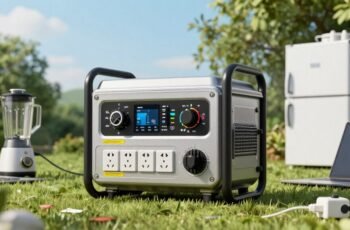
Did you know that inverter generators produce cleaner, more stable power than traditional models, making them safer for sensitive electronics? While this technical difference often influences choice, understanding how each generator type performs in real-world applications can be complex. We’ll explore the core distinctions, advantages, and limitations to help you determine which option best aligns with your specific needs—and why that decision isn’t always straightforward.
Key Takeaways
- Inverter generators provide cleaner, more stable power suitable for sensitive electronics, unlike conventional units with fluctuating voltage.
- Conventional generators typically offer higher wattage and are better for heavy-duty, high-capacity tasks.
- Inverter models are quieter, more portable, and energy-efficient, ideal for camping and noise-sensitive environments.
- Conventional generators are generally less expensive, simpler to maintain, and better suited for emergency backup and construction.
- Choose based on application needs: sensitive electronics and portability favor inverters; high power and durability favor conventional units.
How Do Inverter and Conventional Generators Work?
While both inverter and conventional generators convert mechanical energy into electrical power, their internal mechanisms differ considerably. Conventional generators operate via a direct connection between a rotating alternator and an engine, producing AC power at a fixed frequency and voltage. The engine runs at a constant speed, typically 3600 RPM for a 60Hz system, regardless of load. In contrast, inverter generators first convert mechanical energy into AC power, then rectify it into DC, and finally invert it back into clean, stable AC power using electronic circuitry. This process allows inverter generators to precisely control output frequency and voltage. The inverter’s use of power electronics results in a more stable sine wave, reducing harmonic distortion and enabling compatibility with sensitive electronic devices.
Comparing Power Output and Performance Capabilities
When comparing power output and performance capabilities, inverter generators typically deliver lower maximum wattage than conventional models, making them suitable for portable, light-duty applications. Inverter generators operate with variable engine speeds, adjusting output based on load demands, which enhances efficiency and stability. Conventional generators maintain a constant engine speed regardless of load, often producing higher peak wattages essential for heavy-duty tasks. While inverter models usually provide between 1,000 to 3,000 watts, conventional units can exceed 5,000 watts, supporting larger appliances or multiple devices simultaneously. Performance consistency in inverter generators results from advanced power modulation, ensuring cleaner sine wave output essential for sensitive electronics. Conversely, conventional generators excel in sustained high-power output but often lack the precise voltage regulation found in inverter designs.
Noise Levels and Fuel Efficiency: Which Matters More?
Noise reduction and fuel efficiency are critical factors in selecting a portable generator, impacting operational costs and comfort. We must consider how inverter models typically offer quieter operation, which benefits noise-sensitive environments, while conventional generators often prioritize fuel consumption. Evaluating which factor holds greater importance depends on specific use cases and performance priorities.
Noise Reduction Benefits
Understanding the trade-offs between noise levels and fuel efficiency is essential when choosing a portable generator. Inverter generators typically offer superior noise reduction due to advanced inverter technology, resulting in quieter operation. Here are key benefits:
- Reduced Sound Levels: Inverter models operate at lower decibel ranges, minimizing noise pollution.
- Targeted Noise Control: Noise is concentrated at the engine, with less transmission through the casing.
- Steady Operation During Load Changes: Quieter performance is maintained during fluctuating loads due to smooth inverter modulation.
- Enhanced User Comfort and Compliance: Lower noise emissions improve usability in residential and sensitive environments, often meeting stricter noise regulations.
Prioritizing noise reduction can markedly improve user experience, especially in noise-sensitive settings.
Fuel Consumption Efficiency
Which factor holds greater importance in selecting a portable generator: fuel consumption efficiency or noise levels? Fuel efficiency directly impacts operational costs and runtime, making it a critical consideration for long-term use. Inverter generators typically feature advanced electronic controls that optimize engine speed based on load, reducing fuel consumption markedly compared to conventional models. This adaptive operation minimizes wasted fuel during periods of low demand, extending runtime and lowering overall expenses. Conversely, conventional generators often operate at a constant speed, resulting in higher fuel consumption regardless of load variability. For users prioritizing cost savings and extended operation, fuel efficiency is paramount. While noise levels influence comfort, especially in residential settings, the tangible financial benefits of improved fuel consumption generally weigh more heavily in the decision-making process.
Cost, Portability, and Maintenance Considerations
When evaluating portable generators, cost-effective options and ease of maintenance are critical factors. Inverter models typically have higher upfront costs but offer lower long-term maintenance expenses, while conventional units often require more frequent service. Understanding these differences helps optimize both budget and operational reliability.
Budget-Friendly Options
Although inverter generators typically cost more upfront, budget-friendly options within portable generators often lean toward conventional models that offer lower purchase prices, enhanced portability, and simplified maintenance. These models are suitable for users prioritizing affordability and ease of use. Key considerations include:
- Initial Cost: Conventional generators generally have lower purchase prices, making them accessible for budget-conscious consumers.
- Portability: Many basic models feature lightweight design and built-in handles, facilitating easier transportation.
- Fuel Efficiency: Simpler construction often results in less efficient fuel consumption, but the lower cost can compensate for this.
- Maintenance Simplicity: Fewer electronic components translate to straightforward, lower-cost maintenance routines.
These factors make conventional generators a practical choice for short-term or infrequent use, balancing affordability with essential functionality.
Ease of Maintenance
Ease of maintenance is a critical factor to think about when choosing between inverter and conventional portable generators, as it directly impacts operational costs and downtime. Inverter generators typically feature advanced electronics and fewer moving parts, simplifying maintenance tasks and reducing the likelihood of mechanical failures. Their compact design enhances portability and allows for easier access to components that require regular inspection or replacement. Conversely, conventional generators often involve more complex systems, such as carburetors and larger engines, which can increase maintenance frequency and costs. While inverter models may have higher initial costs, their lower maintenance demands offset this over time. Ultimately, the choice hinges on balancing upfront investment with ongoing service requirements, ensuring long-term reliability and operational efficiency.
Ideal Use Cases for Inverter vs Conventional Generators
Inverter and conventional portable generators serve distinct purposes based on their design characteristics, making each suitable for specific use cases. Inverter generators are ideal when stable, clean power is essential, and portability is a priority. Conventional generators excel in high-capacity, continuous power applications.
Key use cases include:
- Recreational activities – Inverter generators provide quiet, stable power for camping or outdoor events.
- Emergency backup – Conventional generators supply reliable, high wattage for whole-house power during outages.
- Construction sites – Heavy-duty, continuous power needs are better met by conventional models.
- Sensitive electronics – Inverter generators prevent damage through pure sine wave output, perfect for electronics and small appliances.
Each type’s specific capabilities align with these targeted applications, optimizing performance and efficiency.
Pros and Cons of Each Generator Type
Each type of portable generator offers distinct advantages and limitations that influence their suitability for different applications. Inverter generators provide cleaner power with reduced electromagnetic interference, making them ideal for sensitive electronics, but they tend to be more expensive and have lower power outputs. Conventional generators are robust, cost-effective, and capable of higher wattages, suitable for heavy-duty tasks, yet they produce fluctuating voltage and noise levels that may harm delicate devices.
| Feature | Inverter Generators | Conventional Generators |
|---|---|---|
| Power Quality | High, clean power | Fluctuating, less stable |
| Noise Level | Quieter | Louder |
| Cost | Higher | Lower |
| Portability | More compact and lightweight | Bulkier and heavier |
| Application Suitability | Sensitive electronics, camping | Construction, backup power |
How to Choose the Right Generator for Your Needs
Choosing the right generator depends on accurately evaluating your specific power requirements and the environment in which it will operate. To determine the suitable unit, consider these factors:
- Power Output Needs: Calculate the total wattage of all devices you plan to run simultaneously, including starting wattages.
- Run Time and Fuel Efficiency: Assess how long you’ll need continuous power and choose models with appropriate fuel capacities and consumption rates.
- Portability and Size: Determine whether portability or fixed installation is necessary based on your activity, storage space, and transportation ease.
- Environmental Conditions: Consider weather, altitude, and noise restrictions, which influence the choice between inverter and conventional models for ideal performance and compliance.
Accurate assessment ensures efficient, reliable power tailored to your specific application.
Frequently Asked Questions
Are Inverter Generators Safer for Sensitive Electronic Devices?
Yes, inverter generators are safer for sensitive electronics because they produce cleaner, more stable power with minimal voltage fluctuations and sine wave distortion, reducing the risk of damage to delicate devices like laptops, smartphones, and medical equipment.
How Long Do Inverter and Conventional Generators Typically Last?
We typically see inverter generators last around 2,000 to 3,000 hours and conventional ones about 1,000 to 2,000 hours; for example, a well-maintained inverter can operate for over a decade, highlighting its durability and efficient design.
Can Inverter Generators Run on Alternative Fuels?
Inverter generators generally can’t run on alternative fuels without modifications, but some models are designed for propane or dual-fuel use. We recommend checking manufacturer specifications to guarantee compatibility and avoid voiding warranties.
Do Inverter Generators Require Special Storage Conditions?
Inverter generators do require specific storage conditions, like a cool, dry place, to prevent fuel degradation and corrosion. Proper maintenance and sealed containers guarantee longevity, making storage as vital as the generator’s technical specifications for peak performance.
Which Generator Type Is Better for Emergency Backup Power?
We believe inverter generators are better for emergency backup power due to their quieter operation, cleaner power output, and fuel efficiency, which guarantees reliable operation during outages while protecting sensitive electronic devices.
Conclusion
Ultimately, selecting between inverter and conventional generators hinges on aligning specific performance needs with environmental and budget considerations. While inverter models excel in sensitive electronics and quiet operation, conventional units offer robust power for demanding tasks. Recognizing that these choices often converge in practical scenarios underscores the importance of understanding each generator’s technical nuances. By carefully evaluating your application requirements, you can make an informed decision that guarantees reliable, efficient, and appropriately scaled power solutions.