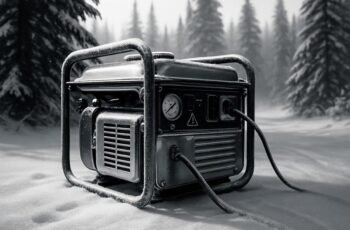
We stand at the edge of risk, a reminder that weather exposure amplifies failure modes in power systems. We assess how shelter, ventilation, and drainage influence reliability, then translate that into concrete design and maintenance steps. We’ll outline practical choices for enclosures, grounding, and seals, and identify where edge cases—wind, rain, and temp swings—push systems toward degradation. If you want guards against outages, you’ll want to see what specific measures follow from this logic.
Key Takeaways
- Use corrosion-resistant enclosures with gasketed joints and proper drainage to shield the generator from moisture and debris.
- Elevate on an impervious, well-drained pad and ensure graded runoff to prevent water intrusion.
- Implement weatherproof cabling with drip loops, sealed conduits, and vented yet protected exhaust aligned to prevailing winds.
- Maintain seals, gaskets, filters, and lubrication; perform regular inspections for corrosion, moisture ingress, and electrolyte health where applicable.
- Plan seasonal readiness: assess fuel stability, battery condition, transfer switch tests, and debris-free vents before storms.
Why Weather Protection Matters for Generators
Weather exposure directly threatens generator reliability and lifespan. We see corrosion, insulation degradation, and electrical arcing as cumulative failure modes when protection is inadequate. By analyzing load profiles, ambient conditions, and duty cycles, we outline how moisture ingress and temperature swings accelerate wear on seals, bearings, and control electronics. We address common misconceptions, distinguishing weatherproofing myths from proven practices that preserve performance. Our approach combines enclosure integrity, venting management, and material selection to minimize condensation and galvanic corrosion. We emphasize practical aftercare routines that sustain protection, including periodic seal checks, gasket replacement, and electrolyte monitoring where applicable. Precise maintenance intervals align with operating environment and usage, reducing downtime and extending service life while maintaining performance margins under challenging conditions.
Assessing Your Environment: Where Your Generator Resides
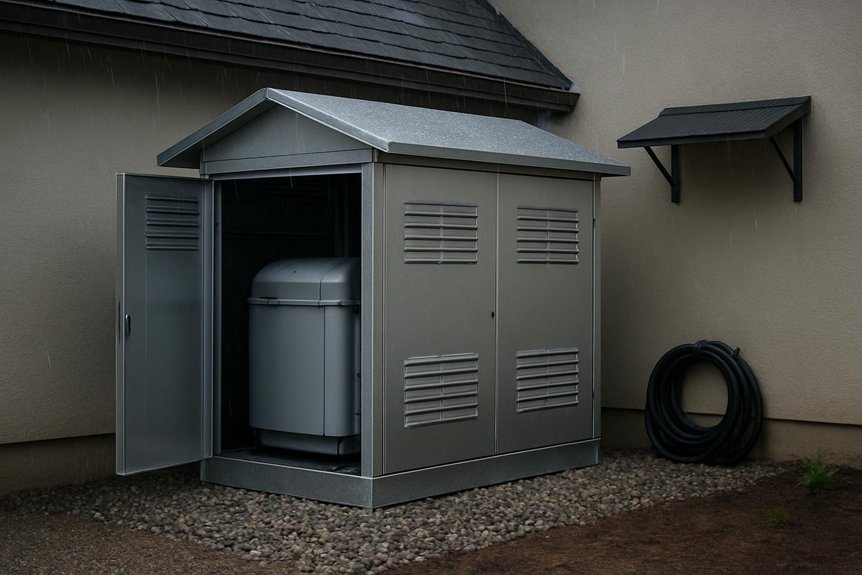
Evaluating your environment begins with facts about where the generator sits. We assess placement to minimize exposure and maximize accessibility for maintenance. Our approach identifies risk vectors that affect longevity and reliability, including nearby hazards and ingress points. Consider these factors:
- Ground stability and drainage to prevent flooding and tilt.
- Elevation relative to potential storm surge and flood zones.
- Proximity to structures that could transmit lightning strikes or debris.
- Access routes for service without creating obstruction or venting issues.
Choosing the Right Shelter: Enclosures, Materials, and Ventilation
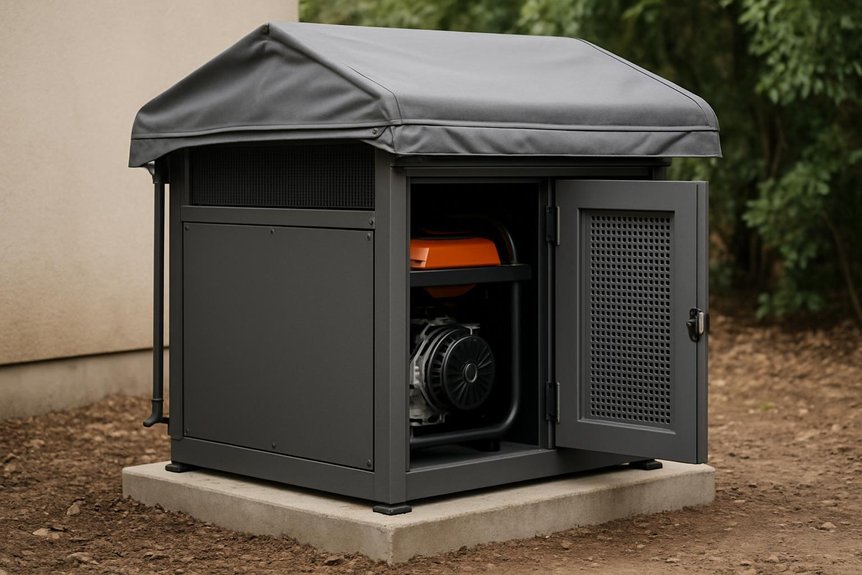
Choosing the right shelter is essential for protecting a generator from the elements while ensuring serviceability. We evaluate enclosure types, materials, and ventilation to balance protection with access. Protective canopies offer rapid shade and splash protection but must resist wind strain without obstructing intake or exhaust paths. Enclosures should use corrosion-resistant metals or weather-treated composites, with gasketed joints and drainage to prevent condensate buildup. Ventilation requires calibrated louvers or screened vents to sustain combustion air while restricting ingress of debris and water. Internal clearances must accommodate maintenance tasks and cable routing, preventing heat buildup during operation. We favor modular designs that allow component access and future upgrades without enclosure damage. Material selection, seal integrity, and vent placement determine reliability under diverse weather, temperature, and humidity cycles.
Elevation and Ground Setup for Weather Durability
To minimize water intrusion and flood risk, we elevate the generator on a stable, impervious base and guarantee proper grading around the pad so runoff channels away from the unit. Elevation and ground setup focus on durable, site-specific decisions that reduce exposure to moisture and soil movement. We address elevation considerations and monitor ground moisture to prevent settling and buoyancy forces.
- Select a solid pad with proven drainage and load capacity.
- Ensure transitions between pad and surrounding surface shed water efficiently.
- Verify soil bearing and implement compaction controls to minimize settlement.
- Schedule regular inspections for erosion, moisture saturation, and frame stability.
Weatherproofing Power Outlets and Cables
Weatherproofing power outlets and cables is essential to keep the generator dependable during moisture events. We prioritize outdoor placement strategies that minimize exposure, using weather-resistant enclosures and gasketed covers to seal outlets against rain, dew, and splashes. We select cord caps with IP ratings appropriate for field conditions and route cables through drip loops to prevent water ingress. We implement weatherproof conduit and sealed junction boxes, ensuring tight fittings and strain relief to reduce movement under wind. Our tests measure wind resistance of connectors and seals, confirming that positive pressure doesn’t push moisture inside. We document maintenance schedules for sealing integrity and replace aging gaskets promptly. By enforcing these measures, we sustain electrical continuity and safety during adverse weather.
Venting and Exhaust Considerations in Sheltered Setups
How can we ensure venting and exhaust are managed effectively in sheltered setups without compromising safety or performance?
We approach venting and exhaust analytically, focusing on directed airflow, clearance, and system integrity within a shelter. Proper routing minimizes backpressure and prevents re-entry of fumes, while weatherproof seals guard joints without restricting flow. We integrate stormwater management considerations to prevent pooling near exhaust outlets and corrosion risks from moisture. Noise minimization is addressed by selecting baffled conduits and compliant routing that reduces vibration transmission. We then verify rated emissions, backdraft prevention, and routine inspections for soot buildup.
We optimize shelter venting with directed airflow, weatherproof seals, moisture-aware routing, and periodic performance checks.
- Align exhaust outlets with prevailing winds for dispersion
- Use corrosion-resistant, insulated ducting
- Implement drip trays and grates to manage runoff
- Schedule periodic performance checks
Maintenance Routines to Prevent Weather-Related Failures
Effective maintenance routines prevent weather-related failures by targeting shelter integrity, component wear, and functional margins. We outline systematic checks, material aging assessments, and timing-based interventions to sustain performance, reliability, and safety. Insulation strategies and noise reduction are integral, reducing thermal stress and operator exposure without compromising accessibility. Our approach emphasizes proactive inspection, documented thresholds, and immediate remediation to minimize cascading faults. We prioritize sealing, corrosion control, and ventilation balance, plus vibration monitoring to detect looseness before damage occurs. Regular lubrication, filter replacement, and connector health checks maintain electrical continuity. We leverage data trends to adjust schedules, prevent unexpected outages, and extend service life.
| Area | Action | Metrics |
|---|---|---|
| Shelter | Inspect seals; reseal as needed | Condition, leak rate, count |
| Components | Test wear; replace worn parts | MTBF, downtime, cost |
| Environment | Monitor temp/humidity; adjust HVAC | ΔT, RH, log gaps |
| Insulation | Verify continuity; add as needed | R-value, gaps, cost |
| Noise | Assess shielding; implement quieting | SPL, octave bands, weight |
Protecting Fuel and Battery Systems From Elements
We protect the fuel by shielding it from moisture, and we ensure battery connections remain sealed against exposure to the elements. We’ll outline how to insulate fuel lines to prevent temperature and moisture effects, while maintaining reliable starts. This approach keeps the generator’s core systems robust and ready for weather-driven stresses.
Shield Fuel From Moisture
Protecting fuel from moisture demands a targeted, fail-safe approach to barrier design and containment. We outline practical steps that keep fuel quality intact while supporting reliable generation.
- Implement airtight, corrosion-resistant seals at all access points to minimize ambient moisture ingress.
- Use desiccant containment and inert gas purge in storage tanks to suppress humidity-driven oxidation.
- Select fuel blending strategies that tolerate trace moisture without phase separation or gum formation.
- Design hydrogen storage interfaces with moisture-tolerant fittings and vapor barriers to prevent condensation risks.
Together, these measures preserve fuel integrity and extend system life. By prioritizing barrier integrity and controlled environments, we reduce moisture-related failures and maintain performance under variable weather.
Seal Battery Connections
To keep both fuel and battery systems resilient against the elements, we align sealing practices at battery connections with the moisture-control measures used for fuel storage. We treat battery terminals as critical interfaces, preventing ingress that accelerates corrosion. Our approach combines sealants, grommets, and compatible enclosures to maintain electrical integrity and moisture exclusion. Regular inspection targets corrosion prevention indicators: electrolytic drift, green residue, and loose connections. We verify torque specifications and employ dielectric compounds where appropriate, ensuring reliable conductivity while blocking moisture. Proper sealing reduces parasitic losses and extends service life. Table below conveys guidance on materials, methods, and verification steps for optimal protection.
| Element | Method | Verification |
|---|---|---|
| Sealant Type | Application Rate | Inspection Frequency |
| Gasket Material | Compatibility | Seal Integrity Test |
| Enclosure | IP Rating | Ventilation Check |
| Terminal Cover | Retention | Gap Measurement |
| Cable Entrants | Sealing Path | Leak Detection |
Insulate Fuel Lines
How can we minimize fuel system vulnerability to environmental exposure without compromising performance? We approach insulation for fuel lines with a data-driven mindset, focusing on reliability and compliance. Our goal is to maintain fuel integrity while simplifying maintenance through standardized practices. We rely on proven insulation guidelines to combat temperature cycling, moisture intrusion, and chemical exposure, ensuring consistent line pressures and vapor control. Key considerations include routing to minimize heat sources, avoid abrasion, and maintain clearances for expansion. Use robust materials compatible with fuels and additives, and seal penetrations to prevent air ingress.
- Identify exposed segments
- Select temperature-appropriate insulation
- Optimize fuel line routing for protection
- Validate with pressure and leak testing
Seasonal Prep: Storm Readiness Checklists and Quick Fixes
Seasonal storm readiness hinges on a concise, action-oriented checklist that we can follow together. We begin with assessment: confirm fuel stability, fluid levels, and battery condition, logging baseline readings for rapid comparison. Next, secure outdoor lighting and outdoor outlets, ensuring weatherproof enclosures and GFCI protection. We verify generator location drainage, minimize debris, and clear vents to prevent overheating and carbon buildup. Quick fixes include replacing damaged cords, sealing minor leaks, and testing automatic transfer switch responsiveness under simulated load. We optimize resilience by prioritizing solar charging where feasible, evaluating panel exposure, cable routing, and shading risks. Finally, establish a documented maintenance cadence, designate self-service steps, and schedule pre-storm drills to validate startup, shutdown, and fuel stabilization workflows.
Common Mistakes to Avoid When Weather-Proofing a Generator
Common mistakes in weather-proofing a generator often undermine resilience and safety. We’re presenting precise pitfalls to avoid, focusing on durability and reliability against storm surge and ice accumulation.
1) Overlooking enclosure ratings and vent clearance, which can trap moisture and heat.
2) Dismissing grounding and bonded connections, increasing shock risk during power events.
3) Installing adapters without weather seals, inviting water intrusion at joints and outlets.
4) Neglecting maintenance intervals for fuel, lubricant, and battery, accelerating corrosion and failure.
Frequently Asked Questions
Can Generator Weather Protection Void Warranty?
We say: weather protections can affect warranty eligibility, but not automatically void it; it depends on manufacturer terms, installation, and documented compliance. If protections meet spec, generator warranty remains valid; improper or unapproved modifications may void coverage.
How to Shelter a Portable Generator Indoors Safely?
We must not run a generator indoors; doing so risks fire and carbon monoxide poisoning. We’ll emphasize indoor sheltering with proper ventilation, exhaust, clearance, and electrical safety; stay compliant, use a transfer switch, and follow manufacturer guidelines.
Do Generators Need a Weatherproof Cord or Cover?
A generator doesn’t require a weatherproof cord, but weatherproofing and outdoor enclosure safety matter. We recommend using a grounded, outdoor-rated cord, plus a proper enclosure with ventilation, rain protection, and cable seals to minimize moisture intrusion and corrosion.
How Often to Inspect Protective Enclosures for Damage?
We consequently inspect enclosures every 6 months, documenting wear and weather exposure. We keep cadence with quarterly checks after severe storms, and promptly address cracks or corrosion. We’ll notify you of findings and implement corrective actions together.
Does Wind Speed Affect Shelter Effectiveness?
Wind speed does affect shelter effectiveness. We evaluate wind effects on shelter design, noting pressure loads, ventilation, and stability. We’ll adjust materials and anchoring accordingly, ensuring our shelter design maintains enclosure integrity and safe generator operation under high winds.
Conclusion
We’ve shown that true weather resilience comes from integrated design, not isolated fixes. By treating the enclosure, ventilation, elevation, and wiring as a single system, we debunk the notion that “any cover + hose” suffices. When we verify seals, torque specs, and fluid barriers against seasonal stress, we reveal the deeper truth: reliability is proactive rather than reactive. So, we plan, test, and adapt, ensuring our generators endure storms with minimal downtime and maximum safety.