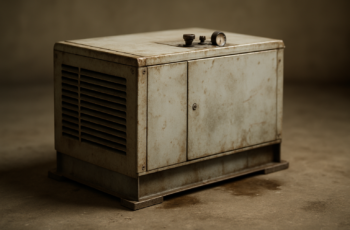
Choosing the right fuel type for portable generators involves a careful analysis of performance, availability, and environmental factors. Each option—gasoline, propane, dual-fuel, or tri-fuel—offers distinct advantages and trade-offs that can markedly impact operational efficiency and sustainability. To make an informed decision, it’s essential to understand how these fuels influence generator performance and which features align with your specific needs. Exploring these aspects can help identify the best fuel solution for your application.
Key Takeaways
- Gasoline offers high power and quick startup but has lower efficiency and higher emissions compared to propane and dual-fuel options.
- Propane burns cleaner, extends engine life, and provides stable performance with easier storage and lower maintenance needs.
- Dual-fuel systems switch seamlessly between gasoline and propane, offering flexibility and longer runtime but may add system complexity.
- Tri-fuel generators support gasoline, propane, and natural gas, providing maximum versatility with advanced fuel management and automatic adjustments.
- Consider fuel availability, storage safety, environmental impact, and cost when choosing the best fuel type for your portable generator.
How Do Different Fuel Types Impact Portable Generator Performance?
Different fuel types profoundly influence the performance, efficiency, and longevity of portable generators. Gasoline engines typically offer higher power output and quick startup times, making them suitable for short-term, high-demand applications. However, they tend to have lower thermal efficiency and shorter operational lifespans due to faster wear and tear. Propane, on the other hand, burns cleaner with fewer deposits, resulting in more stable performance and extended engine life. Its energy density is lower, which can limit runtime without refueling. Dual- and tri-fuel systems combine these characteristics, providing operational flexibility but adding complexity that may impact reliability. Overall, each fuel type’s combustion characteristics directly affect power stability, fuel efficiency, and component durability, requiring careful consideration based on specific usage demands.
What Are the Advantages and Disadvantages of Gas-Powered Generators?
Gas-powered generators benefit from widespread fuel availability, ensuring easy access in most locations. However, they often produce higher noise levels and emissions compared to alternative options, which can impact environmental and operational considerations. Understanding these trade-offs is essential for evaluating their suitability for specific applications.
Easy Fuel Access
One of the primary advantages of gas-powered generators is their easy fuel access, which allows users to quickly refuel in most locations without specialized equipment. Gasoline is widely available at convenience stores, gas stations, and hardware outlets, facilitating rapid refueling during power outages or remote operations. This accessibility minimizes downtime and simplifies logistics.
| Pros | Cons |
|---|---|
| Readily available nationwide | Fuel stability issues over time |
| No need for specialized tanks | Storage safety concerns |
| Quick refueling process | Potential for fuel evaporation |
| Compatible with portable tanks | Limited shelf life of gasoline |
This straightforward access enhances operational efficiency but requires careful handling due to volatility and storage considerations.
Noise and Emissions
Have you considered how noise levels and emissions impact the practicality of using gas-powered generators? Gas models typically produce higher noise levels compared to propane or dual-fuel options, which can be disruptive in residential or sensitive environments. Emissions from gas generators include carbon monoxide, nitrogen oxides, and unburned hydrocarbons, contributing to air pollution and health concerns. While advances in engine design have reduced some emissions, they still remain significant. The advantage lies in their widespread availability and established technology, but environmental considerations and noise restrictions often limit their suitability for certain applications. Consequently, when evaluating gas-powered generators, it’s essential to weigh their operational efficiency against potential noise disturbances and environmental impact, especially in settings requiring minimal emissions or noise pollution.
Why Choose Propane for Your Portable Generator?
Propane combustion produces fewer emissions, making it a cleaner-burning fuel option for portable generators. Its high energy density allows for efficient fuel storage and prolonged operation without frequent refueling. These attributes make propane a practical choice for reliable and environmentally conscious power solutions.
Clean Burning Efficiency
Why is propane considered a cleaner-burning fuel for portable generators? Propane combusts more completely than gasoline, producing fewer emissions such as carbon monoxide, nitrogen oxides, and particulate matter. Its chemical composition, primarily hydrocarbons with fewer impurities, results in more consistent combustion and less soot formation. This efficiency reduces the buildup of carbon deposits within the engine, leading to lower maintenance needs and prolonged engine life. Additionally, propane’s high octane rating ensures stable combustion, minimizing unburned fuel and emissions. Unlike gasoline, propane’s combustion process generates markedly fewer greenhouse gases, making it an environmentally preferable option. Overall, propane’s cleaner burning translates into improved air quality, better engine performance, and reduced long-term maintenance costs for portable generators.
Easy Fuel Storage
One of the key advantages of using propane for portable generators is its straightforward and reliable storage. Propane is stored in pressurized tanks, which are designed for safety and long-term use, minimizing degradation over time. Unlike gasoline, propane doesn’t deteriorate or evaporate, reducing the need for frequent refills and complex handling procedures. Its stability allows for easy transport and storage without specialized containers or venting systems. Additionally, propane tanks are standardized, making refills and replacements consistent across brands and models. This simplicity enhances convenience, especially during emergencies or extended outages when quick, reliable access to fuel is critical. Overall, propane’s stable storage profile guarantees dependable performance with minimal maintenance, making it an efficient choice for those seeking hassle-free fuel management.
Is Dual-Fuel Technology Worth It for Flexibility and Convenience?
Is dual-fuel technology a practical choice for enhancing flexibility and convenience in portable generators? The answer depends on operational demands and fuel availability. Dual-fuel systems allow seamless switching between gasoline and propane, offering strategic advantages:
- Increased fuel source options, minimizing supply disruptions
- Extended runtime by utilizing different fuel types
- Reduced emissions and cleaner operation with propane
- Flexibility in fuel storage and transportation, especially in emergencies
From an analytical perspective, dual-fuel technology provides versatility without notably increasing complexity or maintenance. However, it introduces additional components that may impact reliability over time. Overall, if operational flexibility and fuel accessibility are priorities, dual-fuel systems are a valuable investment, balancing convenience with technical robustness.
How Do Tri-Fuel Generators Offer Maximum Fuel Compatibility?
Tri-fuel generators are designed to maximize fuel compatibility by integrating advanced multi-mode fuel systems that can operate seamlessly on gasoline, propane, and natural gas. These systems use sophisticated fuel delivery mechanisms, such as electronically controlled carburetors or fuel regulators, which automatically adjust to the selected fuel source. This adaptability guarantees ideal combustion efficiency and engine performance across different fuels, minimizing the need for manual adjustments. The design incorporates compatible fuel connectors and valves, enabling quick switching without extensive modifications. Additionally, the engine management system detects the fuel type and adjusts parameters like ignition timing and fuel-air mixture accordingly. This technical integration offers maximum flexibility, allowing users to leverage available fuel options depending on cost, availability, or specific application requirements while maintaining consistent power output.
Which Factors Should You Consider When Selecting a Fuel Type?
Selecting the appropriate fuel type for a portable generator involves evaluating multiple practical factors to guarantee peak performance and cost-efficiency. Key considerations include fuel availability and storage requirements, as these impact operational continuity and safety protocols. Additionally, we must assess efficiency and power output, as different fuels can influence runtime and generator capacity. Environmental impact is another critical factor, particularly emissions and ecological footprint. Finally, maintenance complexity and cost are essential, since certain fuels require specialized handling or components.
- Fuel accessibility and storage safety
- Energy density and runtime efficiency
- Emissions regulations and environmental footprint
- Maintenance needs and component compatibility
How Do Fuel Costs and Environmental Impact Influence Your Choice?
Fuel costs and environmental impact are vital factors that directly influence the overall efficiency and sustainability of your portable generator choice. Elevated fuel prices can considerably increase operating expenses, making fuel economy a key consideration—especially during prolonged use or emergencies. Propane and dual-fuel options often provide more stable costs compared to gasoline, which is subject to market fluctuations. Environmentally, gasoline emits higher levels of greenhouse gases and pollutants, contributing to air quality issues. Propane burns cleaner, producing fewer emissions, which can be essential in environmentally sensitive areas. Dual- and tri-fuel systems offer flexibility, allowing users to optimize for cost or environmental goals based on fuel availability and regulatory requirements. Balancing these factors helps guarantee a choice that aligns with both economic and ecological priorities.
Frequently Asked Questions
Are Portable Generators Safe to Operate Indoors With Any Fuel Type?
We advise against operating portable generators indoors regardless of fuel type, as they produce dangerous carbon monoxide fumes. Proper ventilation and outdoor use are essential for safety, preventing poisoning risks and ensuring safe generator operation.
How Long Can a Portable Generator Run on a Single Tank of Each Fuel?
On a single tank, gas typically runs 8-12 hours, propane lasts about 10-15 hours, dual-fuel options vary, and tri-fuel depends on the specific setup; these figures are ballpark estimates and can vary with load and efficiency.
Which Fuel Type Is Best for Emergency Backup During Power Outages?
We believe propane is the best emergency backup fuel due to its longer shelf life, cleaner burning, and availability during crises. It offers reliable, consistent power, and its storage stability makes it ideal for long-term emergency preparedness.
Can I Switch Fuel Types on a Dual or Tri-Fuel Generator Easily?
Yes, switching fuel types on dual or tri-fuel generators is generally straightforward, involving a simple process of selecting the desired fuel source, ensuring proper fuel connections, and following manufacturer instructions to safely change between gas, propane, or dual options.
What Maintenance Is Required for Different Fuel-Powered Portable Generators?
Maintenance for fuel-powered portable generators is critical; we regularly change oil, clean filters, inspect fuel lines, and check spark plugs. Proper upkeep guarantees ideal performance and longevity, preventing costly breakdowns and maximizing efficiency in demanding situations.
Conclusion
Certainly! Here’s the modified text with alternative words replacing “In conclusion” and “ensure”:
—
Ultimately, choosing the right fuel for your portable generator is like selecting the best tool for a complex job—it requires careful analysis of performance, cost, and environmental impact. Whether we prioritize quick startup, cleaner emissions, or fuel flexibility, understanding each option helps us optimize reliability and efficiency. By weighing these factors thoughtfully, we guarantee our generator’s operation is as precise and effective as a finely tuned machine, meeting our specific power needs with confidence.