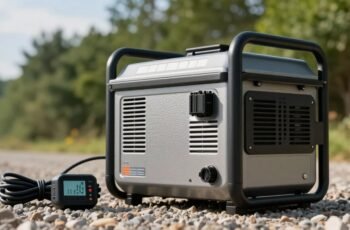
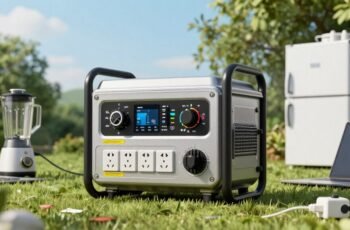
When selecting a portable power generator, we recognize that understanding your specific energy demands and operational conditions is essential for making an informed choice. Evaluating factors such as power output, fuel efficiency, and noise levels guarantees that the device aligns with your practical needs and environmental considerations. As we analyze these technical aspects, we identify key criteria that can markedly impact performance, reliability, and cost—factors critical to choosing the most suitable model for your situation.
Key Takeaways
- Determine your total wattage needs and select a generator with sufficient capacity and surge power.
- Consider fuel type (gas, solar, hybrid) for efficiency, cost, and environmental impact.
- Prioritize portability features such as weight, size, handles, and noise levels suitable for your use environment.
- Compare safety features like overload protection, automatic shutoff, and grounding to ensure reliable operation.
- Balance budget with essential features, focusing on durability, runtime, and maintenance requirements for long-term use.
What Are Portable Power Generators and Why Do You Need One?
What exactly are portable power generators, and why are they indispensable in various scenarios? These devices are compact, self-contained units that convert fuel into electrical energy, providing a reliable power source when grid access is unavailable or unreliable. They operate through internal combustion engines, typically powered by gasoline, diesel, or propane, generating electricity via alternators. Portable generators are vital in emergency situations, outdoor activities, and remote work sites, offering uninterrupted power for critical appliances, tools, and communication devices. Their mobility allows users to deploy them quickly across diverse environments, ensuring operational continuity. By delivering a controlled, stable power output, they minimize the risk of damage to sensitive equipment and reduce downtime. Consequently, portable power generators are indispensable tools for maintaining productivity and safety in unpredictable or off-grid conditions.
How to Determine the Right Power Output for Your Needs
To select the appropriate power output for your portable generator, we need to start by accurately evaluating the total wattage of all the devices and appliances you plan to run simultaneously. This guarantees your generator provides sufficient power without overloading. Begin by listing each device’s running wattage and surge wattage, then sum these figures to determine your total power requirement. Use the following table as a reference:
| Device | Running Wattage | Surge Wattage |
|---|---|---|
| Refrigerator | 700 | 2200 |
| Laptop | 100 | 150 |
| LED Lights | 50 | 50 |
| Small Power Tools | 800 | 1200 |
| Phone Chargers | 20 | 50 |
This analysis helps identify the minimal generator capacity needed, accounting for startup surges and continuous loads.
Choosing the Best Fuel Type: Gas, Solar, or Hybrid Options
When selecting a fuel type, it’s crucial to take into account both fuel efficiency and operational costs, as these directly impact long-term expenses. We also evaluate the environmental implications, including emissions and sustainability, to guarantee responsible use. Analyzing these factors helps us identify the most suitable option for your specific power needs.
Fuel Efficiency and Cost
Choosing the most cost-effective fuel type for a portable power generator requires careful analysis of efficiency, initial investment, and ongoing expenses. To optimize cost, we evaluate:
- Fuel Consumption Rate: Solar generators have negligible operating costs, while gas models vary based on efficiency.
- Initial Cost: Solar units often involve higher upfront costs but lower maintenance, whereas gas generators are typically less expensive initially.
- Fuel Cost Stability: Gas prices fluctuate, impacting long-term expenses, while solar energy remains free once installed.
- Maintenance Expenses: Gas generators require regular servicing, increasing total cost over time, whereas solar units demand minimal upkeep.
Environmental Impact and Sustainability
Have you considered how different fuel types impact the environmental footprint of portable generators? Gas-powered models emit greenhouse gases and other pollutants, contributing to air quality issues and climate change. In contrast, solar generators produce zero emissions during operation, offering a clean, renewable energy source with minimal environmental impact. Hybrid options combine these approaches, reducing reliance on fossil fuels and lowering overall emissions. Solar energy’s sustainability stems from its reliance on sunlight, an abundant and renewable resource, but it depends on weather conditions and energy storage. Gas generators, while more versatile and capable of higher power output, pose greater ecological risks. Balancing these factors involves evaluating environmental benefits against practical needs, emphasizing solar and hybrid systems as more sustainable choices for reducing long-term ecological impacts.
How Size and Portability Affect Your Choice
How does the size and portability of a power generator influence your overall choice? These factors directly impact usability, installation, and logistics. Larger units typically offer higher power output but compromise mobility, making them suitable for stationary applications. Conversely, compact models prioritize portability, ideal for outdoor activities or emergency use. Consider these key aspects:
Size and portability of a generator directly affect usability, installation, and suitability for stationary or mobile needs.
- Power Capacity – Larger generators usually provide higher wattage, supporting more devices simultaneously.
- Weight and Dimensions – Heavier units require handles or wheels for transportation, affecting ease of movement.
- Intended Use – Fixed installations favor bigger units; mobile scenarios demand lightweight options.
- Storage Constraints – Smaller models fit into limited spaces, simplifying storage and deployment.
Balancing these elements guarantees the generator aligns with your specific power needs and mobility requirements.
Understanding Noise Levels and Why They Matter
Understanding noise levels is vital because many generators adhere to specific standards that influence their design and performance. Elevated noise can disrupt environments and contribute to environmental noise pollution, impacting nearby communities and wildlife. By evaluating these levels, we can select generators that balance power output with acceptable acoustic performance.
Noise Level Standards
Why do noise level standards matter when selecting a portable power generator? They establish benchmarks that guarantee consistent, comparable measurements across models, facilitating informed decisions. Noise level standards typically specify decibel (dB) thresholds measured at standardized distances, such as 7 meters, to reflect realistic operational conditions. These standards influence user experience, safety, and compliance with local regulations.
Key aspects include:
- Measurement Methodology: Ensures uniformity in how noise levels are assessed, minimizing variability.
- Decibel Thresholds: Define acceptable maximum noise levels for different environments.
- Testing Conditions: Standardized conditions prevent skewed results due to environmental factors.
- Regulatory Compliance: Helps manufacturers meet legal requirements, avoiding penalties and restrictions.
Understanding these standards enables precise evaluation of generator noise performance, aligning with operational needs and environmental considerations.
Impact on Environment
Noise levels of portable power generators directly influence their environmental footprint, affecting both local ecosystems and community well-being. Elevated noise emissions can disturb wildlife, interfere with natural behaviors, and contribute to noise pollution in populated areas. Understanding these impacts helps us choose generators with appropriate sound levels to minimize harm.
| Noise Level (dB) | Impact on Ecosystem | Community Effect |
|---|---|---|
| 50-60 | Minimal disturbance | Low noise disturbance |
| 60-70 | Potential wildlife disruption | Moderate disturbance |
| 70+ | Significant ecosystem impact | High community noise levels |
Selecting lower-decibel models supports environmental balance and reduces adverse effects on both nature and human health.
Key Features to Look For: Inverter Technology, Outlets, and More
Selecting a portable power generator requires careful attention to several key features that impact performance, safety, and convenience. Critical among these are inverter technology, outlet types, and additional safety features.
- Inverter Technology: Guarantees clean, stable power output suitable for sensitive electronics, reducing risk of damage.
- Outlet Configuration: Multiple outlets (AC, USB, DC) provide versatility, accommodating various devices simultaneously.
- Noise Level: Lower decibel ratings improve operational comfort, especially in quiet environments.
- Safety Features: Automatic shutoff, overload protection, and ground-fault circuit interrupters enhance user safety and equipment protection.
These elements collectively determine the generator’s efficiency, usability, and safety profile, guiding informed purchasing decisions.
Evaluating Runtime and Fuel Efficiency for Longer Use
Understanding the runtime and fuel efficiency of a portable generator is essential for ensuring it meets your longer-term power needs. Runtime depends on tank capacity and the generator’s fuel consumption rate, which varies with load. A higher fuel efficiency means longer operation on the same amount of fuel, reducing refueling frequency and operational costs. To evaluate these factors, examine manufacturer specifications, focusing on the rated runtime at various loads. Look for generators with larger fuel tanks for extended use, but also consider the balance between tank size and portability. Fuel consumption rates, often expressed in gallons per hour, provide insight into efficiency. By analyzing these metrics, you can select a generator that reliably sustains your power requirements while optimizing fuel use for prolonged operation.
Budget Considerations: Finding the Best Generator Within Your Price Range
When selecting a generator, we must carefully evaluate how our power requirements align with budget constraints, ensuring cost-effective performance. Comparing features and prices enables us to identify models that deliver essential capabilities without overspending. This analytical approach helps optimize value while meeting operational needs efficiently.
Balancing Power Needs and Cost
While it can be tempting to opt for the most affordable portable generator, balancing power requirements with cost is essential to guarantee reliable performance without overspending. To optimize this balance, consider these factors:
- Power Output vs. Load Needs: Match generator wattage to your critical devices, avoiding excess capacity that inflates costs.
- Fuel Efficiency: Select models with efficient engines to reduce operating expenses, especially for prolonged use.
- Initial Investment vs. Longevity: Invest slightly more in durable, high-quality units that withstand frequent use, avoiding repeated replacements.
- Additional Features: Prioritize essential features—such as noise reduction or parallel capability—over optional add-ons that inflate price without core performance benefits.
This analytical approach ensures the selected generator meets your power demands within a realistic budget.
Comparing Features and Prices
To find the best portable generator within your budget, it’s essential to systematically compare features and prices across different models. We analyze power output (wattage), fuel efficiency, and runtime relative to cost, guaranteeing value aligns with your needs. Key features like inverter technology, noise levels, and safety shutoffs markedly influence performance and usability. Price variations often reflect build quality, brand reliability, and included accessories. By examining detailed specifications and cross-referencing user reviews, we identify models offering ideal performance at each price point. This approach reveals trade-offs—such as higher upfront costs for quieter, more fuel-efficient units—allowing informed decisions. Ultimately, comparing technical attributes against price ensures you select a generator that balances affordability with durability and functionality.
Tips for Maintaining and Operating Your Portable Generator Safely
Proper maintenance and safe operation are essential to guarantee the longevity and reliable performance of your portable generator. To optimize both, consider these critical practices:
- Regularly inspect and replace oil according to manufacturer specifications to prevent engine wear.
- Ensure proper grounding to minimize electrical hazards and static buildup.
- Conduct periodic load testing to verify operational readiness and identify potential issues early.
- Store fuel in approved containers and in well-ventilated areas, avoiding overfilling to prevent spills and fires.
Adhering to these procedures reduces the risk of mechanical failure and safety hazards. Consistent execution of maintenance routines and cautious operation guarantees the generator’s efficiency, prolongs lifespan, and safeguards users during use.
Comparing Top Models: Which Portable Power Generator Is Right for You?
Choosing the right portable power generator requires careful comparison of models based on key technical specifications and performance features. We analyze wattage capacity to guarantee it meets your power needs, whether for appliances or sensitive electronics. Fuel efficiency is critical, influencing runtime and operating costs; models with advanced inverter technology typically offer cleaner power and higher efficiency. Noise levels impact usability in quiet environments, so lower decibel ratings are preferable. Portability features like weight, handle design, and wheel quality determine ease of transport. Additional considerations include outlet types and safety features such as overload protection. By examining these factors across top models, we identify options that balance performance, durability, and value, enabling you to make an informed decision tailored to your specific power requirements and usage scenarios.
Frequently Asked Questions
How Long Do Portable Generators Typically Last Before Needing Replacement?
Portable generators typically last 10 to 15 years with proper maintenance, such as regular oil changes and load management. Factors like usage frequency, build quality, and operating conditions influence their lifespan, requiring replacement when performance declines or repairs become costly.
Can a Portable Generator Handle Multiple Appliances Simultaneously?
Most portable generators can handle multiple appliances simultaneously, typically supporting 2-4 devices depending on wattage. We analyze your needs carefully, ensuring the generator’s capacity matches your power requirements for safe, efficient operation.
What Safety Features Should I Look for in a Portable Generator?
We look for generators with automatic shutdowns for overloads, ground fault circuit interrupters, proper ventilation, and low oil alerts. These safety features guarantee reliable operation, protect users, and prevent damage during power fluctuations or faults.
Are Portable Generators Suitable for Outdoor Camping or Recreational Use?
Portable generators are like reliable companions in outdoor settings, providing essential power for camping or recreation. They’re designed for rugged environments, offering convenience and safety features that make them suitable, yet require proper handling for peak performance.
How Do I Properly Store a Portable Generator During Off-Season Periods?
We recommend draining fuel, cleaning components, and storing in a dry, ventilated area during off-season periods. Regularly inspect for corrosion, guarantee proper ventilation, and perform maintenance before use, ensuring reliable operation and prolonged lifespan of the generator.
Conclusion
Choosing the right portable generator isn’t just about power; it’s about balancing efficiency, safety, and environmental impact. As we weigh fuel types and size against runtime and noise levels, we see that the ideal choice depends on specific needs and constraints. Like fine-tuning a machine, our decision involves analysis and precision—ensuring reliable, clean energy for emergencies or outdoor adventures. Ultimately, a well-informed selection enhances performance while safeguarding safety and sustainability.