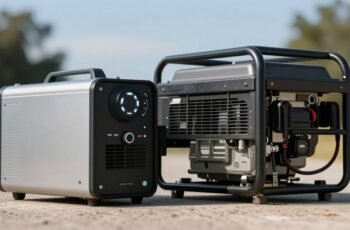
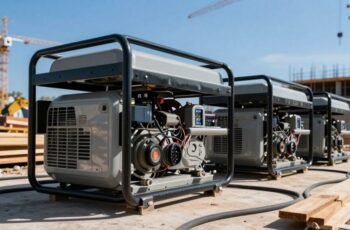
Few scenarios can rival the severity of prolonged power outages, and choosing the right portable generator can make or break your ability to maintain essential operations. With so many models and features available, it’s vital to assess your specific power needs, fuel options, and maintenance requirements to guarantee reliable performance over time. We’ll explore what makes a generator truly suitable for long-term use and how to select one that balances durability, efficiency, and safety—details that could be essential when the grid goes dark for an extended period.
Key Takeaways
- Choose models with sufficient wattage to handle essential appliances and consider startup surge requirements.
- Opt for durable, inverter-type generators for stable, clean power over extended periods.
- Prioritize fuel flexibility (gasoline, diesel, propane) based on availability and outage duration.
- Select generators with long runtime, high fuel efficiency, and features like remote start for convenience.
- Ensure regular maintenance and proper storage to sustain generator performance during prolonged use.
How to Determine Your Power Needs for Long-Term Outages

To accurately determine your power needs for long-term outages, we must first identify the essential appliances and devices that must remain operational. This involves creating a detailed list of critical equipment, including refrigeration units, heating or cooling systems, medical devices, lighting, and communication tools. Next, we quantify each device’s power consumption, typically measured in watts or amperes, to establish their combined load. Analyzing startup versus running wattage is vital, as some devices draw more power initially. By summing these requirements, we can accurately estimate the minimum generator capacity needed to sustain essential functions. This process guarantees that the selected generator provides sufficient, reliable power without unnecessary overcapacity, optimizing both safety and efficiency during extended outages.
Key Features to Look for in a Reliable Portable Generator
When selecting a portable generator for long-term power needs, identifying key features that guarantee reliability and efficiency is essential. First, a durable engine with high thermal efficiency ensures consistent operation under extended loads. A robust alternator with stable voltage regulation minimizes fluctuations that could damage sensitive appliances. Low Total Harmonic Distortion (THD) is critical for clean power output, especially for electronics. Additionally, a sturdy frame and corrosion-resistant components enhance longevity, particularly in harsh environments. Integrated voltage regulators, such as Automatic Voltage Regulators (AVRs), help maintain consistent power quality. Easy maintenance features like accessible air filters and oil fill points reduce downtime. Finally, a dependable control panel with clear indicators facilitates monitoring and troubleshooting, ensuring dependable operation during prolonged outages.
Comparing Fuel Options and Runtime for Extended Use
Selecting the right fuel type directly impacts a portable generator’s runtime and operational flexibility during extended outages. Gasoline offers widespread availability but typically provides shorter run times and requires frequent refueling, which can be inconvenient over long periods. Diesel fuels longer runtime and higher energy density, making it suitable for extended use, but requires more robust engine construction and proper storage considerations. Propane provides cleaner combustion and longer shelf life, with the added benefit of easy refueling via tanks or cylinders, although its energy density results in shorter runtime per fill compared to diesel. Overall, choosing among these options depends on fuel accessibility, storage capacity, and the expected duration of power outages. Analyzing these factors helps optimize operational efficiency and reliability over prolonged periods.
Top Portable Generator Models for Long-Term Power Backup
Given the importance of reliable power during extended outages, identifying the top portable generator models that deliver consistent performance is essential. After analyzing power output, fuel efficiency, durability, and noise levels, we recommend these models:
- Honda EU7000iS – Offers robust 7,000W power with advanced inverter technology, ensuring stable voltage for sensitive devices.
- Champion 7500-Watt Dual Fuel – Combines high wattage with flexible fuel options, suitable for long-term use.
- Yamaha EF2200iS – Compact yet powerful, with efficient fuel consumption and inverter stability.
- Westinghouse iGen4500 – Provides high output, remote start, and excellent fuel economy, ideal for sustained operation.
These models balance power, efficiency, and longevity, making them ideal choices for long-term backup solutions.
Tips for Maintaining Your Generator During Extended Outages
Maintaining your generator properly during extended outages guarantees reliable operation and prolongs its lifespan. Regularly check and replace oil according to manufacturer specifications to prevent engine wear. Guarantee fuel stability by using fuel stabilizers and draining the tank if the unit won’t be used for an extended period. Keep air filters clean to optimize airflow and engine efficiency. Periodically inspect spark plugs for wear and replace them as needed. Perform load testing under controlled conditions to verify operational capacity. Store the generator in a dry, ventilated area away from moisture and debris. Regularly run the generator for a short period to circulate fluids and prevent stagnation. Adhering to these maintenance protocols minimizes unexpected failures and assures consistent power delivery during critical outages.
Frequently Asked Questions
How Loud Are Most Portable Generators During Prolonged Operation?
Most portable generators produce between 50 to 75 decibels during prolonged operation, comparable to a vacuum cleaner or background noise, making them relatively quiet but still audible. Noise levels depend on generator size and design features.
Can Portable Generators Operate Safely Indoors or in Enclosed Spaces?
We advise against operating portable generators indoors or in enclosed spaces, as they emit dangerous fumes. Proper ventilation is crucial; using generators outdoors ensures safety, preventing harmful carbon monoxide buildup and maintaining a healthy environment during extended outages.
What Are the Best Theft Prevention Measures for Portable Generators?
We recommend securing portable generators with heavy-duty locks, anchoring them to fixed objects, utilizing GPS tracking devices, and storing them in locked, hidden locations to deter theft and facilitate easy recovery if stolen.
Are There Eco-Friendly or Solar-Powered Portable Generator Options?
Think of eco-friendly solar-powered generators as silent, sustainable powerhouses, silently charging without emissions. We analyze their efficiencies, battery life, and portability, ensuring they meet long-term needs while reducing environmental impact effectively.
How Do I Securely Store Fuel for Long-Term Generator Use?
We securely store fuel by using approved, vented containers kept in a cool, dry, well-ventilated area away from ignition sources. Regular inspection and proper labeling guarantee safety and maintain fuel stability over extended storage periods.
Conclusion
In conclusion, selecting the ideal portable generator for long-term outages is a critical decision that can literally mean the difference between sustained comfort and total chaos. By meticulously analyzing your power needs, prioritizing advanced features, and understanding fuel efficiencies, you’re equipping yourself with a device capable of enduring even the most extreme outages. Invest wisely—your long-term reliability, safety, and peace of mind hinge on this choice, making it an investment of unparalleled strategic importance.