We’ll break down what drives annual generator maintenance costs and how they differ by size and fuel. You’ll see routine service, consumables, parts wear, and labor add up, with major part replacements spiking budgets. We’ll balance regular upkeep with preventive replacements and a downtime cushion, factoring in fuel quality and seasonal demand. We compare DIY versus professional servicing to save, then show you how to estimate your yearly spend—and why the right plan matters more than you think.
Key Takeaways
- Costs scale with generator size and fuel type, with small gasoline units at moderate maintenance and larger diesel or natural gas units at higher or variable costs.
- Routine maintenance (oil, filters, coolant) is modest per visit, while major part replacements (alternators, cooling systems) spike yearly costs.
- For home (5–15 kW) maintenance typically $100–$350 annually; commercial (25–1000 kW) often $1,000–$10,000 per year.
- Planning, scheduling, and preventive service spread costs and reduce downtime risk, improving overall cost efficiency and asset longevity.
- Include downtime contingency and seasonal service planning (5–15% of budget) to cover outages, parts, and labor variability.
What Contributes to Annual Generator Maintenance Costs
What contributes to annual generator maintenance costs? We look at what drives ongoing expenses, not just sticker prices. First, routine servicing and inspections—oil changes, filter replacements, and coolant checks—keep engine and alternator running efficiently, protecting generator efficiency over time. Next, consumables like fuel, oil, filters, and gasket replacements add predictable yearly outlays, especially with extended or frequent runs. Then, parts wear and replacement costs for belts, bearings, and batteries can spike after hours of operation or harsh conditions. Labor for diagnostics and repair matters too, even if we perform some tasks in-house. Finally, fuel quality and storage impact efficiency and fuel savings; poor storage increases corrosion and degraded performance. By optimizing maintenance intervals and filing accurate logs, we reduce downtime and sustain generator efficiency and fuel savings.
Maintenance Cost by Generator Size and Fuel Type
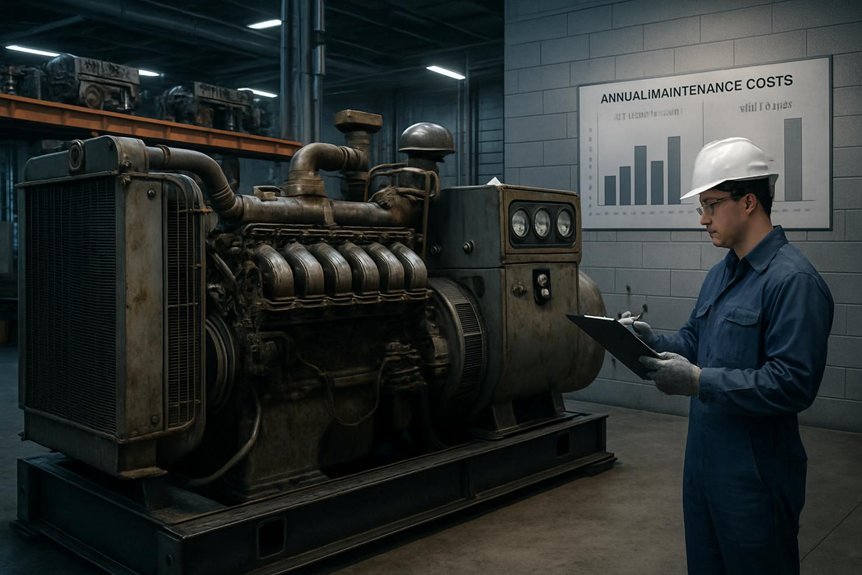
How do generator size and fuel type shape annual maintenance costs? We see costs scale with capacity and fuel complexity, so bigger generators and specialized fuels drive higher routine upkeep. We group by category, then quantify typical annual spends, keeping focus on reliable decisions rather than guesses. Below, a concise view helps you prioritize budgeting, parts, and labor without overcommitting.
| Generator size | Fuel type | Estimated annual maintenance cost |
|---|---|---|
| Small | Gasoline | Moderate |
| Medium | Diesel | Higher |
| Large | Natural gas | Variable |
| Notes | Practical takeaway | Action prompt |
| Routine checks matter most | Align service plan with size and fuel type | Schedule targeted maintenance collisions with peak use periods |
Routine Service vs. Major Part Replacements: Price Ranges
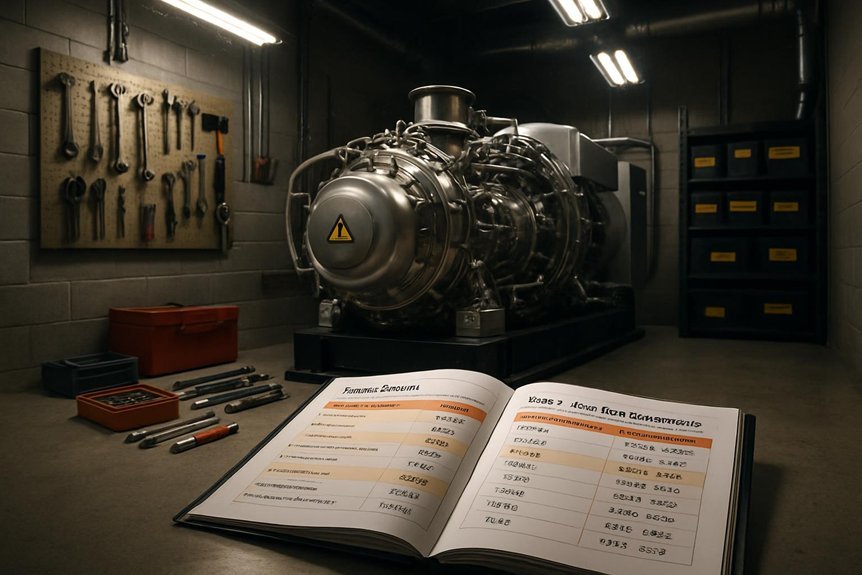
From the previous look at annual maintenance costs by generator size and fuel type, we’ll focus now on how routine service compares to major part replacements in price ranges. We approach this with practical figures, so you can plan cash flow. Routine service typically costs modestly, often a few hundred dollars per visit, covering oil changes, filter swaps, and basic inspections. Major part replacements spike price, driven by parts like alternators, starters, or cooling systems, plus labor, and can range into the mid to high four figures. Understanding timing matters: preventive service lowers the odds of big repairs and spreads costs more evenly. Keeping a maintenance calendar helps you anticipate when to budget for either path.
- Routine service cost cadence helps stabilize annual expenses
- Major part replacements require broader budgeting and supplier quotes
- Timely inspections reduce unexpected downtime and spikes
two word ideas, subtopic unrelated
Budgeting for Unexpected Downtime and Seasonal Service
Unexpected downtime can strike without warning, so we budget for it as a regular expense rather’t an afterthought. We build a contingency into annual planning, assigning a fixed reserve for generator downtime and seasonal service planning. Our approach isolates costs from routine maintenance, forecasting lost productivity, overtime, and emergency parts. We calendar peak demand periods and rate anticipated outages, then set aside a proportional fund—roughly 5–15% of annual maintenance spend—adjusted by risk and equipment age. We outline a quarterly review to update outage probabilities, service windows, and vendor response times. We also reserve funds for seasonal service planning, ensuring lubrication, alignment, and cooling checks aren’t deferred. This disciplined budgeting reduces surprise bills and stabilizes cash flow during outages.
DIY Maintenance vs. Professional Servicing: Where to Save
We’ll compare DIY maintenance costs with professional servicing to show where you can save without sacrificing reliability. We’ll outline typical tasks you can handle yourself versus services that benefit from expert attention, with clear cost benchmarks. Our aim is practical guidance that keeps your generator dependable and affordable year to year.
DIY Maintenance Costs
So, when deciding between DIY maintenance and professional servicing, the key question is where you’ll save and where you won’t. We weigh costs, time, and risk, staying practical while protecting performance. DIY maintenance can trim labor fees, but mistakes can void your generator warranty if you skip proper steps or use unapproved parts. We consider safety, tool costs, and the need for quality fuel additives to prevent gumming and corrosion. Track consumables and schedule, then compare to a service quote that includes a diagnostic and performance check. If you’re comfortable with routine tasks, you’ll save short term; otherwise, professional servicing may protect long‑term reliability and warranty terms.
- Cost vs. risk assessment for each maintenance item
- Impact of fuel additives on longevity and start reliability
- Warranty implications of DIY vs. professional work
Professional Servicing Benefits
Professional servicing offers clear value that often tilts the cost balance in favor of long‑term reliability. We’re not selling urgency—we’re outlining the economics of upkeep. When we schedule professional servicing, we reduce unexpected downtime and extend component life, which lowers the chance of costly emergency repairs. The upfront service fee covers precise fuel, oil, filter checks, and battery health assessments, plus load testing and performance verification that DIY routines rarely achieve. Downtime budgeting improves predictability: planned maintenance fits around peak demand, minimizing production losses. We gain documented maintenance histories, facilitating resale value and warranty compliance. While DIY work can save short‑term money, professional servicing delivers consistent quality, faster issue detection, and better asset availability over years. In our view, reliability justifies the ongoing cost.
How to Estimate Your Yearly Maintenance Cost
We start by outlining the annual cost factors that drive maintenance, from parts and fluids to labor and potential major service intervals. Next, we’ll map a routine maintenance plan that matches your generator’s hours, loads, and climate, so you can forecast monthly and yearly spend. We’ll keep this practical by turning those factors into a simple, actionable budget you can adjust as usage changes.
Annual Cost Factors
Are annual maintenance costs predictable, or do hidden variables surprise you each year? We look at Annual Cost Factors to estimate your yearly outlay, focusing on practicality and precision. We identify fixed and variable elements, then translate them into a reliable budget. Routine wear, replacement part cycles, and service intervals drive predictable costs, while usage patterns and environment introduce fluctuations. We also weigh incidental expenses like generator noise and fuel storage considerations that influence total spend. By tracking hours, maintenance windows, and part lifespans, we can forecast cash needs and avoid surprises. This approach helps you plan, prioritize, and allocate funds efficiently for reliable power.
- Fixed vs. variable costs and how they shift with usage
- Impact of generator noise and fuel storage on annual spend
- Scheduling, parts life, and contingency buffers
Routine Maintenance Plan
From our look at annual cost factors, we’ll build a practical, dollar-focused routine that translates those ideas into a solid yearly maintenance plan. We approach Routine Maintenance Plan by outlining predictable tasks, tight schedules, and clear cost signals. We start with a baseline service every 6 months, plus an annual deep-tune that includes oil, filter, and battery checks. Document hours, parts, and labor to compare quotes and spot drift in fuel efficiency. Track consumables like spark plugs and coolant, replacing them on manufacturer intervals to avoid surprises. Address generator myths that lead to neglect, such as run-without-load assumptions, and verify cooling, ventilation, and exhaust. This plan minimizes downtime, extends life, and protects resale value while keeping yearly costs transparent and controllable.
Ways to Stretch Maintenance Dollars Without Risking Reliability
What practical steps can we take to stretch maintenance dollars without risking reliability? We focus on high-value improvements, align actions with real risk, and track outcomes. Prioritize preventive tasks that reduce downtime and extend component life, rather than reactive fixes after failures. Optimize parts stocking by stocking only common wear items and life-limited components, cutting carrying costs while avoiding outages. Invest in fuel-efficient operation and smarter runtime decisions to minimize generator downtime and fuel waste. Use condition monitoring trends to time service accurately, avoiding premature replacements. Document ROI for each tactic to justify scope and timing.
- Targeted preventive checks that avert major failures
- Data-driven service intervals based on usage
- Fuel-efficiency improvements tied to operation schedules
Real-World Cost Examples for Home Backup vs. Commercial Generators
Real-world costs split sharply between home backup units and commercial generators, and understanding that gap helps us budget smarter. We’ll share concrete numbers we’ve seen: typical home backups run 5–15 kW, with initial installs ranging $3,000–$8,000, plus annualized maintenance around $100–$350. Commercial systems, 25–1000 kW, start closer to $20,000 for small campuses and can exceed $100,000 for large facilities, with maintenance often $1,000–$10,000 yearly. Fuel-related expenses hinge on load factors and fuel efficiency; homes usually favor simpler duty cycles, lowering fuel costs, while commercial units optimize runtime but incur higher fuel and parts outlays. Across both, generator reliability and service contracts drive surprises; plan for inspections, part replacements, and corrosion protection to avoid costly outages.
Frequently Asked Questions
How Do External Factors Affect Yearly Generator Maintenance Costs?
External factors raise or lower our yearly maintenance costs, influencing our annual budgeting. Weather, fuel quality, load patterns, and part availability affect service intervals, spare parts pricing, and downtime, so we adjust plans and tighten controls to stay cost-efficient.
Do Warranty Terms Influence Annual Maintenance Budgeting?
Warranty terms influence budgeting, yes—they can cut or boost annual costs. External factors affect costs too, so we plan contingencies. We, readers, should budget prudently, track clauses, and negotiate warranties to minimize surprises and maximize reliability. We’re prepared.
What Seasonal Maintenance Tasks Can Reduce Long-Term Costs?
We can reduce long-term costs by scheduling seasonal tuneups and proactive inspections, focusing on efficiency, parts wear, and moisture control. We’ll document findings, prioritize fixes, and avoid costly emergencies with a clear maintenance budget and timeline.
How Often Should Fuel System Components Be Inspected?
We inspect the fuel system annually, adjusting frequency for external factors; higher risks mean more frequent checks. Regular inspections lower maintenance costs by catching leaks, clogged lines, or worn components before pricey failures occur.
Do Environmental Conditions Change Maintenance Frequency?
Yes, environmental conditions can change maintenance frequency. We adjust maintenance scheduling based on environmental wear, corrosion risk, and temperature swings to prevent failures, optimize costs, and extend asset life while keeping downtime and repairs affordable.
Conclusion
We’ve seen that annual generator maintenance scales with size, fuel, and usage. Don’t overlook routine service—it’s cheaper than major repairs when problems sneak up. We understand you might think DIY saves money, but a pro tune can prevent downtime and costly part failures, often paying for itself. By tracking usage, budgeting for seasonal servicing, and planning upfront, you’ll balance reliability with cost, avoiding surprises when you need backup most.