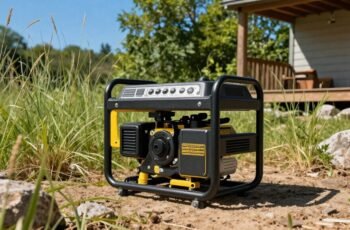
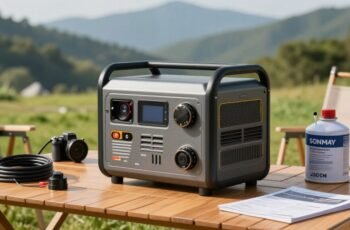
Did you know that even small differences in wheel size or handle design can considerably impact how easily you move your portable generator? While many focus on power output or fuel efficiency, portability often gets overlooked as a critical factor for practical use. Understanding how weight, wheels, and storage options work together can make a real difference in everyday convenience. With careful consideration, you can optimize your generator’s mobility—let’s explore what factors to prioritize to keep it manageable.
Key Takeaways
- Consider generator weight for balance between power capacity and ease of transportation.
- Select appropriate wheels based on terrain for smooth, stable movement.
- Ensure handles are ergonomic, adjustable, and securely mounted for comfortable maneuvering.
- Use weatherproof, space-efficient storage solutions like cases, shelving, or wall mounts.
- Regularly maintain wheels, handles, and storage components to preserve portability and safety.
How Weight Affects Portable Generator Portability

Weight is a critical factor in determining how portable a generator truly is, as it directly influences ease of movement and setup. Heavier models tend to offer increased power and durability but require more effort to transport. When evaluating portability, we consider not just the weight itself but how it impacts handling, especially during frequent relocations or emergency situations. Lighter generators are easier to carry, lift, and position, making them ideal for casual or temporary use. Conversely, heavier units may necessitate additional tools or assistance for movement. The weight also affects storage options; bulkier models demand more space and secure placement. Consequently, understanding weight’s role helps us balance power needs with practical mobility considerations, ensuring the generator aligns with specific use cases and handling capabilities.
The Role of Wheels in Easy Transportation
Wheels considerably enhance a generator’s mobility by providing ease of movement across various terrains. The durability and material of these wheels determine their longevity and ability to withstand frequent use and rough surfaces. Analyzing these features helps us select generators that offer reliable, effortless transportation in diverse environments.
Mobility Enhancement Features
Wheels considerably enhance the portability of generators by providing a straightforward means to move them across various surfaces. They reduce the physical effort required and facilitate quick repositioning, especially in emergency or construction scenarios. The effectiveness of wheels depends on factors such as size, design, and compatibility with the generator’s weight. Larger wheels, for example, can better traverse uneven terrain, while smaller wheels are suitable for smooth surfaces. Below is a comparative overview:
| Feature | Impact on Mobility |
|---|---|
| Wheel Size | Larger sizes improve movement over rough terrain |
| Mounting Mechanism | Secure attachment ensures stability during transport |
| Surface Compatibility | Suitability for different terrains enhances versatility |
Wheel Durability and Material
Since the durability and material composition of wheels directly influence their performance and longevity, selecting the right materials is essential for ensuring smooth transportation of portable generators. Wheels made from rubber or polyurethane tend to absorb shocks better, providing smoother movement over uneven surfaces. Steel wheels offer exceptional strength and resistance to wear, making them suitable for heavy-duty applications, but they can be heavier and less impact-absorbent. Plastic wheels are lightweight and inexpensive but may degrade faster under frequent use or harsh conditions. The choice of wheel material affects not only durability but also maneuverability and ease of use. For peak performance, consider wheels with reinforced hubs or sealed bearings that reduce wear and require less maintenance over time.
Choosing Handles That Make Moving a Breeze
When selecting handles for your portable generator, ergonomic design and material quality are key factors that influence ease of movement. Handles with a contour that fits comfortably in your hand reduce fatigue, while durable grip materials prevent slipping during transport. Evaluating these features helps guarantee that moving your generator remains straightforward and less physically demanding.
Ergonomic Handle Design
Choosing an ergonomic handle design is vital for ensuring that moving a portable generator is as effortless as possible. An effective handle should facilitate natural hand positioning, reducing strain during transport. Consider handles with a well-placed grip area that aligns with the user’s natural grip and posture, minimizing wrist and shoulder stress. The handle’s shape and size must accommodate various hand sizes comfortably, promoting a secure grip without excessive force. Reinforced mounting points are essential for durability, preventing wobbling or failure over time. Additionally, the handle’s placement should balance the generator’s weight, making it easier to lift and maneuver, especially over uneven terrain. An ergonomic handle isn’t just about comfort—it’s about optimizing control, safety, and reducing fatigue during repeated moves.
Comfortable Grip Materials
Selecting handle materials that provide a comfortable grip is essential for making the transportation of a portable generator easier and safer. The right material minimizes hand fatigue and improves control during movement. Common options include rubber, foam, and textured plastics, each offering unique benefits in grip security and durability. Rubber handles resist slipping and absorb shock, while foam handles provide softness for extended use. Textured plastics enhance friction, reducing the chance of slips. Here’s a comparison:
| Material | Pros | Cons |
|---|---|---|
| Rubber | Slip-resistant, shock-absorbing | Can wear over time |
| Foam | Comfortable, lightweight | Less durable, prone to damage |
Choosing the appropriate grip material depends on usage, environment, and personal preference.
Storage Options to Maximize Portability at Home and on the Go
Effective storage solutions are essential for maintaining the portability of your generator both at home and during transportation. Proper storage reduces clutter, minimizes damage risk, and facilitates easy handling. Compact storage options include specialized cases with foam padding or molded compartments that securely hold the generator and accessories. When storing at home, consider vertical shelving or wall mounts designed for heavy equipment, which conserve space and prevent accidental tipping. For on-the-go transport, weatherproof storage containers with secure latches protect against moisture and debris. Additionally, foldable or collapsible carts can streamline movement over uneven surfaces. Ensuring storage solutions are lightweight yet sturdy maximizes portability, allowing quick setup and takedown while safeguarding the generator’s integrity during transit and storage.
Comparing Lightweight vs. Heavier Generators: Pros and Cons
When evaluating portable generators, understanding the trade-offs between lightweight and heavier models is essential for making an informed decision. Lighter generators are easier to carry and transport, ideal for frequent mobility, but often sacrifice durability and run time. Heavier models tend to be more robust, offering longer operation and better stability, yet they can be cumbersome to move. Consider the following comparison:
| Aspect | Lightweight Generators | Heavier Generators |
|---|---|---|
| Portability | High, easy to carry | Lower, requires effort |
| Durability & Runtime | Moderate, limited capacity | Higher, extended use |
| Stability | Less stable | More stable |
| Maintenance & Cost | Generally less expensive | Potentially more durable, costlier |
Choosing depends on your priority: ease of transport versus long-term reliability.
How to Select the Right Wheels for Different Terrains
Choosing the right wheels for your portable generator depends heavily on the types of terrains you anticipate encountering. For smooth, paved surfaces, lightweight rubber wheels with low-profile tires offer stability and ease of movement. When steering uneven or gravel terrains, larger, pneumatic tires provide shock absorption and better traction, reducing the risk of tipping. For rugged or muddy conditions, heavy-duty wheels with deep treads and reinforced sidewalls are essential to prevent sinking and guarantee durability. It’s important to contemplate wheel diameter and width, as larger wheels facilitate easier movement over obstacles, while narrower wheels might be suitable for indoor or flat surfaces. Analyzing terrain characteristics helps determine the ideal wheel type, guaranteeing both mobility and stability without compromising the generator’s integrity.
Ergonomic Handles: What to Look for in a Portable Generator
Selecting the right ergonomic handles for a portable generator is essential for ensuring ease of transport and reducing user fatigue. Look for handles that provide a comfortable grip, ideally with textured or rubberized surfaces to prevent slipping. Handles should be positioned to allow a natural lifting motion, minimizing strain on your back and arms. Adjustable or foldable handles offer added versatility, accommodating users of different heights and storage preferences. Consider the handle’s durability; it must withstand repeated use without cracking or loosening. Lightweight handles that do not add significant weight to the generator are preferable, but they must still offer strength and stability. Overall, well-designed ergonomic handles optimize balance, comfort, and control during transportation, making your experience safer and more efficient.
Tips for Storing Your Generator to Keep It Portable and Ready
Proper storage is essential for maintaining your generator’s portability and ensuring it’s always ready for use. We recommend storing your generator in a dry, cool location to prevent corrosion and damage from moisture or extreme temperatures. Using a dedicated, ventilated storage container or cover helps protect against dust, dirt, and debris while preserving its operational integrity. Elevating the unit off the ground minimizes exposure to water and reduces corrosion risk. Regularly inspecting and cleaning the generator before storage prevents the buildup of dirt and grease that could hinder performance. Additionally, disconnecting the battery (if applicable) and draining fuel or adding fuel stabilizer extends the unit’s lifespan and readiness. Proper organization and consistent maintenance are key to keeping your generator portable and operational when needed.
Common Mistakes That Hinder Generator Portability and How to Avoid Them
Many common mistakes can substantially hinder a generator’s portability, often stemming from neglecting proper handling and maintenance practices. One mistake is disregarding the weight of the unit, attempting to lift or move it without using wheels or handles designed for transport, risking injury or damage. Another is failing to secure or properly position wheels and handles, leading to instability during movement. Overlooking regular maintenance, such as lubricating wheels or checking handle integrity, can cause components to fail unexpectedly. Additionally, storing the generator improperly—such as leaving it in tight spaces or on uneven surfaces—reduces mobility and complicates future transport. To avoid these issues, always assess weight before lifting, ensure wheels and handles are functional, and maintain components regularly to preserve ease of movement.
Frequently Asked Questions
How Do Weather Conditions Affect Portable Generator Mobility?
Weather conditions, like rain and snow, can make portable generator mobility challenging by increasing surface slipperiness and weight, while wind may cause instability. We always consider weather impacts to guarantee safe, efficient transportation and storage in varying conditions.
Are There Safety Considerations When Transporting Portable Generators?
Transporting portable generators is like handling a delicate treasure; we always guarantee they’re cool, secure, and upright, avoiding fuel spills, and disconnecting power cords to prevent accidents, prioritizing safety to avoid any unforeseen hazards.
Can Wheel and Handle Upgrades Extend Generator Lifespan?
Upgrading wheels and handles doesn’t directly extend a generator’s lifespan but improves ease of transportation, reducing physical strain and potential damage during movement. Proper handling minimizes accidental drops or impacts, indirectly contributing to longer equipment durability.
What Maintenance Is Needed for Portable Generator Wheels and Handles?
We regularly inspect wheels and handles for wear, lubricate moving parts to prevent rust, tighten bolts to guarantee stability, and clean debris to maintain smooth operation, all of which prolong their lifespan and ensure safe, efficient portability.
How Do Storage Solutions Impact Generator Performance Over Time?
Storage solutions greatly influence generator performance over time by preventing corrosion, maintaining clean components, and avoiding moisture buildup; we guarantee proper storage to preserve functionality, regularly inspecting and protecting the unit against environmental damage for ideal long-term operation.
Conclusion
By understanding the nuances of weight, wheel design, handle ergonomics, and storage solutions, we can maximize our generator’s portability without sacrificing performance. Every choice impacts how smoothly we can move and store these essential devices, especially during emergencies or outdoor adventures. But the real question remains: are we prepared to invest in the right features that guarantee effortless mobility and long-term durability? The key to seamless portability lies in making informed, strategic decisions—are you ready to take that step?