Imagine you’re planning a weekend camping trip and considering a portable generator under $500 to power your small refrigerator and charging devices. These budget models typically provide 1,000 to 3,500 watts, enough for light to moderate needs, but they come with notable compromises, such as limited runtime and increased noise levels. Understanding what to expect from these units helps determine if they fit your specific requirements, prompting a closer look at their features and limitations.
Key Takeaways
- Budget-friendly portable generators typically offer 1,000 to 3,500 watts, suitable for small electronics and essential appliances.
- They generally feature basic outlets, lightweight design, and simple control panels, emphasizing portability over advanced features.
- These generators often lack high-end safety features, precise voltage regulation, and noise reduction, resulting in louder operation.
- Fuel efficiency varies but is usually lower, with runtime dependent on load and maintenance; inverter models are more efficient.
- Under $500 models are ideal for emergency backup, camping, and outdoor activities but not suitable for sensitive or high-demand equipment.
What Features Can You Expect From Budget-Friendly Portable Generators?
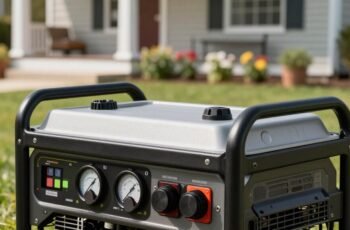
Although budget-friendly portable generators under $500 may have some limitations, they still offer essential features suitable for many users. These units typically include basic power outlets, such as standard AC sockets and sometimes USB ports, enabling versatile device charging. They usually incorporate simple control panels with on/off switches, circuit breakers, and low-oil alerts, enhancing safety and usability. Most models feature electric or recoil start mechanisms, balancing convenience with reliability. While their wattage capacities are generally limited, they are designed for light to moderate loads like small appliances or electronics. Durability is often achieved through lightweight frames and corrosion-resistant materials, making them portable and suitable for emergency or recreational use. Overall, these generators provide core functionality aligned with budget constraints, prioritizing essential features over advanced options.
How Much Power Can You Get Under $500?
Under $500, portable generators typically offer power outputs ranging from 1,000 to 3,000 watts, affecting their suitability for various tasks. We need to take into account how these limits align with specific usage scenarios, such as camping or backup power, and evaluate fuel efficiency to maximize runtime. Analyzing these factors helps identify best-fit models within this price range for targeted applications.
Power Output Limits
Within the $500 price range, portable generators typically offer power outputs ranging from 1,000 to 3,500 watts, depending on the model and intended use. This range influences the types of appliances and tools you can operate simultaneously. For example, a generator near 1,000 watts might power small electronics like laptops and lights, while models around 3,500 watts can handle larger devices such as refrigerators or power tools. Visualize:
- Running a few LED lights and a small fan
- Powering a microwave or blender
- Supporting a refrigerator during outages
- Running a cordless drill along with a few lights
Understanding these limits helps optimize your power needs without overloading the generator. Precise wattage ratings are essential to prevent damage and ensure reliable operation within the generator’s capacity.
Ideal Usage Scenarios
What can you realistically power with a portable generator under $500? Typically, these units are suitable for essential appliances and small electronics during outages or outdoor activities. They generally deliver between 1,200 and 2,500 running watts, limiting capacity to devices with lower power demands.
| Device Type | Power Requirement | Suitable for? |
|---|---|---|
| Refrigerator | 600-800W | Yes, during outages |
| Laptop/Small Electronics | 50-200W | Yes, portable use |
| Power Tools | 800-1,500W | Partial, for light tasks |
| Space Heater | 1,200-1,500W | Limited, caution advised |
These generators excel in providing backup power for critical devices but are unsuitable for high-demand appliances or continuous, heavy-duty use.
Fuel Efficiency Factors
When evaluating portable generators under $500, understanding fuel efficiency becomes key to maximizing power output without overspending on fuel costs. Fuel efficiency depends on several factors: engine size, load management, inverter technology, and maintenance. A smaller engine may consume less fuel but produce less power, while inverter generators optimize fuel use during variable loads. Proper maintenance, such as regular oil changes and air filter replacements, ensures consistent fuel consumption. Load management also impacts efficiency; running devices within the generator’s suitable capacity reduces waste. Visualize a compact unit with a high-efficiency inverter, a robust engine tuned for minimal fuel burn, and a well-maintained system—all working together to extend runtime and reduce costs. These factors directly influence how much power you get relative to fuel expenditures.
Which Types of Portable Generators Are Best for Your Needs?
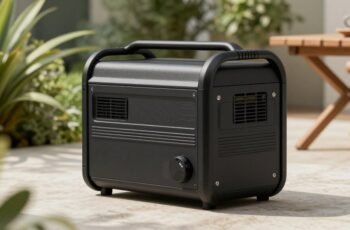
Choosing the right type of portable generator depends on your specific power requirements and usage scenarios. For lightweight, occasional use, inverter generators provide clean power with quieter operation and higher fuel efficiency, making them ideal for sensitive electronics. Larger, open-frame portable generators deliver higher wattage outputs suitable for powering multiple appliances during outages or outdoor events but tend to be noisier and less fuel-efficient. Inverter models are more compact and portable, while conventional generators offer greater raw power. Additionally, dual-fuel options provide flexibility, allowing use of gasoline or propane, which can be advantageous during emergencies. Evaluating your load demands, portability needs, and fuel preferences helps determine whether a compact inverter, a more powerful conventional unit, or a dual-fuel generator best aligns with your specific needs.
What Are the Limitations of Inexpensive Generators?
Inexpensive generators often come with trade-offs that can impact their performance and longevity. These limitations typically manifest in areas such as power stability, durability, and feature set. For instance, the build quality may involve cheaper components that wear out faster, leading to reduced operational lifespan. Voltage regulation might be less precise, risking damage to sensitive electronics. Additionally, lower-cost models often lack advanced safety features like overload protection or automatic shutdown. Noise levels tend to be higher, which can be disruptive in quiet environments. Portability may also be compromised, with lighter materials affecting stability during operation. Finally, fuel efficiency is generally lower, resulting in increased running costs over time. These factors highlight the importance of balancing affordability with reliability and performance.
How Do You Choose a Reliable Portable Generator on a Budget?
Selecting a reliable portable generator on a budget requires careful evaluation of key performance metrics and product features. We focus on wattage capacity, guaranteeing it meets your essential power needs without overpaying for excess. Consider the generator’s runtime at specified load levels—longer runtimes indicate better efficiency and reliability. Look at engine specifications, favoring models with proven durability and simple maintenance. Fuel efficiency impacts ongoing costs, so compare consumption rates. Noise levels are also critical; quieter units reduce disturbance during operation. Finally, review user feedback and manufacturer reputation to gauge overall reliability. While price is a constraint, balancing these technical factors ensures you choose a generator that delivers consistent performance and durability without exceeding your budget.
Tips for Maintaining and Using Your Under-$500 Portable Generator
Maintaining and effectively using your under-$500 portable generator requires adherence to proper operational protocols and routine inspections. Regular checks guarantee peak performance and longevity. First, inspect oil levels before each use to prevent engine damage. Second, clean air filters to maintain proper airflow and combustion efficiency. Third, periodically examine spark plugs for wear and proper gap, replacing as needed. Fourth, monitor fuel quality; stale fuel can cause starting issues and engine fouling. When operating, always follow load capacity guidelines and avoid overloading, which stresses internal components. Additionally, store the generator in a dry, ventilated area and run it periodically during storage to prevent fuel system degradation. These practices help assure safety, efficiency, and an extended lifespan for your budget-friendly generator.
Frequently Asked Questions
Are There Any Safety Concerns With Budget Portable Generators?
Yes, safety concerns include potential electrical faults, carbon monoxide poisoning, and inadequate grounding. We recommend strictly following manufacturer instructions, ensuring proper ventilation, and avoiding overloads to minimize risks associated with budget portable generators.
How Loud Are Portable Generators Under $500?
Portable generators under $500 typically produce noise levels between 60 to 70 decibels, comparable to normal conversation or background noise. While manageable outdoors, they may cause disturbance indoors or in quiet environments, requiring consideration for placement and usage.
Can These Generators Run Sensitive Electronic Devices?
Yes, many portable generators under $500 can run sensitive electronics if they feature inverter technology, providing stable, clean power. We recommend checking specific models for true sine wave output to guarantee compatibility and prevent damage.
What Warranty Options Are Available for Cheap Portable Generators?
We find that many budget-friendly portable generators often include limited warranties, typically one-year coverage, with some offering extended plans. Statistically, only about 20% provide extensive coverage, so understanding warranty specifics is vital for reliable, cost-effective use.
How Long Do These Generators Typically Last?
Typically, these budget-friendly generators last around 100 to 300 hours of runtime, depending on usage and maintenance. Regular servicing and proper load management can extend their lifespan, making them a reliable choice for short-term or emergency power needs.
Conclusion
In sum, while budget-friendly portable generators under $500 are like the Swiss Army knives of emergency power, they come with limitations that require careful consideration. Understanding their features, power output, and restrictions helps us make informed choices, ensuring we don’t buy a tool that’s all bark and no bite. By weighing these factors, we can navigate the market like seasoned strategists, securing reliable backup power without breaking the bank.