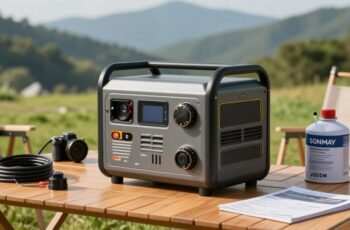
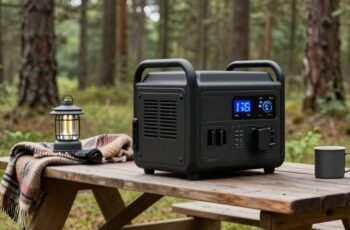
When selecting a portable generator, understanding the technical considerations—such as power output, fuel efficiency, and safety features—is essential for making an informed decision. As we evaluate different models, it’s clear that balancing performance with reliability can be complex, especially for beginners. To make certain you choose a unit that meets your specific needs, it’s important to analyze these factors carefully before making a purchase that will serve you well in critical situations.
Key Takeaways
- Determine your power needs by calculating total wattage for all devices and choose a generator with sufficient rated and surge wattage.
- Consider fuel type options—gasoline, propane, or diesel—based on availability, storage, and maintenance requirements.
- Evaluate portability features such as weight, wheels, and handles for easy transport and storage.
- Check noise levels and safety features like circuit breakers, low-oil shutoff, and grounding for safe operation.
- Review runtime capacity and fuel efficiency to ensure continuous power during outages or outdoor use.
What Are Portable Generators and Why Do You Need One?
Portable generators are compact, self-contained power sources designed to produce electricity independently of the main grid, making them essential tools for various applications. They operate via internal combustion engines, typically fueled by gasoline, diesel, or propane, converting fuel into electrical energy through electromagnetic induction. This portability allows for flexible deployment in remote locations, emergency situations, or outdoor activities. Their primary function is to provide reliable, on-demand power, especially when grid access is unavailable or unstable. By delivering consistent voltage and current, portable generators support essential appliances, tools, and equipment, ensuring operational continuity. Understanding their technical specifications—such as wattage capacity, runtime, and noise levels—enables informed decisions aligned with specific power needs. They serve as critical backup or supplemental power sources across diverse scenarios.
Key Factors to Consider When Choosing a Portable Generator
Selecting the right portable generator requires a careful assessment of several technical factors to guarantee it meets your specific power demands. First, consider the rated and surge wattage, ensuring the generator can handle both continuous loads and short-term power surges. Next, evaluate the engine’s horsepower and displacement to estimate durability and fuel efficiency. Portability features such as weight, handle design, and wheel support influence ease of transport. Additionally, examine noise levels, especially for residential or campsite use, as lower decibel ratings improve comfort. Lastly, assess the build quality and safety features, including circuit breakers and grounding options, to secure reliable operation and protection. Prioritizing these technical aspects helps match your needs with a generator that offers ideal performance and longevity.
Understanding Power Output and Runtime: How Much Power Do You Need?
Understanding your power output requirements and runtime capacity is essential for choosing the right generator, as these factors directly influence its ability to meet your operational needs. Power output, measured in watts, determines the total electrical load the generator can handle. It’s critical to assess the starting and running wattage of all devices you plan to operate, guaranteeing the generator exceeds this combined load. Runtime capacity depends on fuel tank size and consumption rate, affecting how long your generator can sustain power without refueling. Precise calculations involve summing device wattages and considering surge power for motor-starting equipment. By analyzing these parameters, you can select a generator that provides reliable power without overcapacity, optimizing efficiency, and preventing overloads. This approach ensures your generator meets demand consistently and cost-effectively.
Comparing Fuel Types: Gasoline, Propane, and Diesel Explained
When choosing a fuel type for your generator, it’s important to evaluate the distinct advantages and limitations of gasoline, propane, and diesel. Gasoline offers portability and widespread availability but tends to have shorter shelf life and higher volatility. Propane provides cleaner burning, stable storage, and quieter operation, though it may require special fuel tanks and conversion kits. Diesel engines are known for durability and fuel efficiency, especially under heavy loads, but they are typically heavier, noisier, and may require more maintenance.
Choosing the right generator fuel depends on durability, convenience, and maintenance needs.
- Gasoline: high energy density, easy to find, but less stable over time
- Propane: cleaner emissions, longer storage life, but requires specialized tanks
- Diesel: economical over long periods, robust construction, yet heavier and noisier
- Maintenance: diesel engines generally need more upkeep but last longer
Essential Features That Make a Portable Generator User-Friendly
To guarantee a portable generator is truly user-friendly, key features must facilitate ease of operation, safety, and maintenance. Automatic transfer switches streamline power switching during outages, reducing manual intervention and minimizing errors. Intuitive control panels with clear indicators and simple interfaces enable quick startup and troubleshooting. Safety features like low-oil shutoff and circuit breakers protect both the user and the device, preventing damage and hazards. Additionally, features such as built-in wheels, foldable handles, and compact design improve portability and storage. Easy-access oil fill points and labeled maintenance ports simplify upkeep, encouraging regular maintenance. These features collectively enhance usability by reducing operational complexity, boosting safety, and simplifying maintenance routines, making the generator more accessible for users regardless of technical expertise.
Budgeting for Your Portable Generator: Finding Value Without Overspending
Budgeting for a portable generator requires a strategic approach that balances initial costs with long-term value. To maximize investment, we must analyze key factors influencing performance and durability relative to price. Consider:
- Wattage capacity: Higher wattage models often cost more but provide greater versatility for various appliances.
- Engine quality: A durable, efficient engine reduces maintenance costs over time, justifying a higher upfront investment.
- Fuel efficiency: Models with better fuel economy lower operational expenses, increasing overall value.
- Warranty coverage: Extended warranties can offset future repair costs, offering long-term savings.
Tips for Safe and Efficient Use of Your Portable Generator
Ensuring safe and efficient operation of your portable generator requires adherence to best practices that minimize risks and maximize performance. Proper ventilation is vital; always operate the generator outdoors in an open area to prevent carbon monoxide buildup. Regular maintenance, including oil and filter changes, guarantees peak performance and prevents mechanical failures. Load management is essential—avoid overloading the generator beyond its rated capacity, which can cause overheating and damage. Use appropriate extension cords with proper grounding and rated for outdoor use to promote safety and efficiency. Additionally, monitor fuel levels to prevent engine damage from running dry. Implementing these practices minimizes safety hazards, reduces downtime, and prolongs your generator’s lifespan, guaranteeing reliable power supply during critical times.
Frequently Asked Questions
How Long Do Portable Generators Typically Last With Regular Use?
Portable generators generally last 10 to 15 years with regular maintenance and proper usage. We recommend routine oil changes, inspections, and avoiding overloading to maximize lifespan; quality models tend to endure longer under consistent care.
Can a Portable Generator Power an Entire House During an Outage?
Yes, a powerful portable generator can serve as a lifeline during outages, but it requires careful load calculations and possibly transfer switches. We analyze power needs precisely to guarantee your home’s essential systems stay operational reliably.
What Are the Best Maintenance Practices to Extend Generator Lifespan?
We recommend regularly inspecting and cleaning the air filters, changing oil as per manufacturer guidelines, running the generator periodically, and storing it properly to prevent corrosion, all of which considerably extend your generator’s operational lifespan.
Are There Specific Noise Regulations for Portable Generators in Residential Areas?
Think of noise regulations like a quiet moat around your castle; they protect residents from disturbance. We find that local ordinances typically limit portable generator noise levels to around 60-70 decibels, ensuring community peace.
How Do I Properly Store My Portable Generator When Not in Use?
We store our portable generator in a dry, well-ventilated area, away from direct sunlight and moisture. We drain fuel if storing long-term, clean components regularly, and guarantee it’s fully cooled before covering and securing it properly.
Conclusion
In summary, selecting the right portable generator hinges on understanding your specific power needs, fuel preferences, and safety features—ensuring reliability when it matters most. As we’ve seen, the right choice balances performance, convenience, and budget, often revealing that thorough research leads to smarter investments. Ultimately, a well-chosen generator not only powers your essentials but also offers peace of mind—reminding us that preparedness often hinges on attention to detail and informed decision-making.