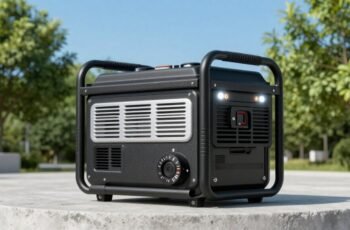
Like steering through a complex system, choosing the right portable generator for first-time buyers requires careful analysis of features and performance metrics. We recognize that safety, ease of use, and reliability are paramount, but balancing these with power needs and budget can be challenging. As we explore the essentials, we’ll reveal how to identify models that offer straightforward operation without sacrificing functionality—a critical step to ensuring you’re prepared for any situation.
Key Takeaways
- Choose models with intuitive controls, minimal buttons, and clear labeling for ease of use.
- Prioritize lightweight, portable designs with ergonomic handles or wheels for simple transportation.
- Ensure the generator provides stable voltage output and sufficient wattage for essential devices.
- Look for safety features like overload protection and automatic shutdown for reliable operation.
- Select fuel-efficient, durable models suitable for emergency backup and outdoor use.
What Features Make a Portable Generator Easy for Beginners to Use
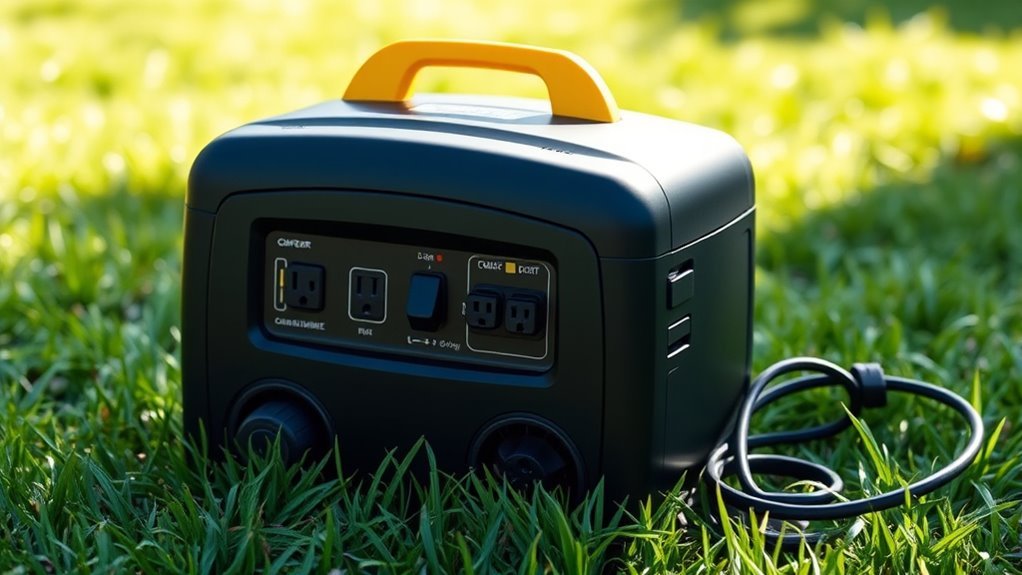
To guarantee a portable generator is user-friendly for beginners, it must incorporate intuitive controls and straightforward operation features. Clear labeling of controls minimizes user confusion, allowing for quick start-up and shutdown procedures. Features like push-button start or simple recoil mechanisms reduce complexity, ensuring ease of operation. A well-designed interface with minimal buttons and indicator lights aids in real-time status monitoring, preventing misoperation. Lightweight construction and ergonomic handles improve portability and handling, encouraging user confidence. Automatic voltage regulation stabilizes power output, simplifying load management without manual adjustments. Safety features such as automatic shutoff upon overload enhance usability by reducing user error. Overall, these design elements streamline operation, making the generator accessible for those unfamiliar with technical systems.
How to Determine the Right Power Output for Your Needs
Determining the appropriate power output for your portable generator hinges on accurately evaluating your energy requirements. To do this, list all essential appliances and devices, then note their startup and running wattages. This helps identify the minimum generator capacity needed for continuous operation and surge demands.
| Device | Startup Wattage | Running Wattage |
|---|---|---|
| Refrigerator | 1200 | 600 |
| Laptop | 60 | 60 |
| Lights | 300 | 300 |
| Small Power Tools | 1500 | 800 |
Key Factors to Consider When Choosing a First Portable Generator
When selecting a portable generator, we focus on matching power output with your specific energy demands to guarantee reliable operation. We also evaluate portability and size to determine how easily the unit can be transported and stored in your typical use scenarios. By analyzing these key factors, we can recommend options that optimize both performance and convenience for first-time buyers.
Power Output Needs
Understanding the power output requirements of your intended devices is critical when selecting a portable generator. We need to assess the starting and running wattage of each appliance or tool, as some devices demand higher surge wattage during startup. Accurate calculations guarantee the generator can handle the combined load without overload or voltage drops. For instance, sensitive electronics require stable power with low total harmonic distortion, while heavy-duty tools demand higher continuous wattage. We should also consider future needs, such as adding new devices, which influences the minimum wattage capacity. Balancing power output with efficiency helps optimize runtime and fuel consumption. By precisely matching generator specs to your load profile, we guarantee reliable operation and avoid potential damage or performance issues.
Portability and Size
Choosing the right portable generator requires careful consideration of its size and weight, as these directly impact ease of transport and setup. A compact, lightweight unit enhances mobility, allowing you to quickly reposition or store it without strain. Smaller generators are ideal for emergency use, camping, or remote work sites, where portability is critical. Conversely, larger models often deliver higher power but can be cumbersome, requiring dedicated transport solutions. When evaluating size, consider features like built-in handles or wheels to facilitate movement. The balance between size, weight, and power output directly influences usability and safety in various scenarios.
- Experience confidence in effortless setup during emergencies
- Feel empowered to take your generator anywhere with ease
- Gain peace of mind knowing your unit is manageable and efficient
Top Portable Generators for Beginners: Our Best Picks
Selecting the right portable generator can considerably impact a first-time buyer’s experience, so we’ve narrowed down the options to the most reliable and user-friendly models. Our top picks focus on models that combine ease of operation with solid performance metrics, such as stable output voltage and sufficient wattage capacity for essential appliances. We prioritized generators with straightforward controls, minimal startup procedures, and robust safety features like automatic shutdown and overload protection. Durability and fuel efficiency also played key roles, ensuring long-term reliability with minimal maintenance. These models are designed for novice users but don’t compromise on technical standards, making them suitable for emergency backup or outdoor activities. By analyzing power ratings, runtime, and build quality, we’ve identified generators that provide ideal value and ease of use for first-time buyers.
Understanding Noise Levels and Portability in Beginner-Friendly Generators
When selecting a beginner-friendly generator, understanding noise levels is vital, as lower decibel ratings minimize disturbance during use. Portability depends on weight, handle design, and compactness, directly impacting ease of transportation. Analyzing these factors helps guarantee the generator is both operationally efficient and convenient to move.
Noise Level Considerations
Ever wonder how noise levels impact the portability and usability of beginner-friendly generators? Lower noise emissions enhance user experience by reducing auditory fatigue and minimizing disturbance in residential or outdoor settings. Excessively loud generators can compromise safety by masking warnings or signals, and they may violate local noise ordinances, leading to legal issues.
Consider these critical points:
- Operational Quietness: Ensures comfort during prolonged use and in densely populated areas.
- Environmental Impact: Reduced noise pollution benefits surrounding ecosystems and communities.
- User Concentration and Safety: Lower decibel levels improve focus and awareness, preventing accidents.
Evaluating noise levels is essential to optimize usability, ensuring the generator complements rather than disrupts the environment and user experience.
Ease of Transportation
The ease of transportation considerably influences the practicality of portable generators for first-time buyers, directly impacting their usability in various scenarios. Evaluating portability involves examining weight, design, and handle ergonomics. Lighter models, typically under 50 pounds, enable easier carrying and repositioning, especially in emergency or outdoor settings. Compact designs with integrated handles or wheels further enhance mobility, reducing physical strain and setup time. Additionally, the placement and durability of handles influence maneuverability across different terrains. Analyzing noise levels in conjunction with portability helps determine suitability for residential or camp environments, where quieter operation is beneficial. Ultimately, a generator’s transportability hinges on a balanced combination of weight, design, and user-friendly features, ensuring reliable functionality without compromising ease of movement for first-time users.
Why Budget and Warranty Matter When Buying a First Generator
Budget and warranty considerations are critical factors that directly influence the reliability and long-term value of a first-time generator purchase. A well-chosen generator within your budget ensures affordability without sacrificing essential features, reducing financial strain during emergencies. Equally important, an all-inclusive warranty provides peace of mind, protecting against manufacturing defects and unforeseen failures that could compromise power supply or incur costly repairs.
Choosing a generator with the right budget and warranty ensures reliable power and peace of mind during emergencies.
- Prevent costly downtime during critical moments, ensuring continuous power when it matters most
- Avoid unexpected expenses that can derail your emergency preparedness plan
- Gain confidence in your investment, knowing support is available if issues arise
How to Maintain Your Portable Generator for Longevity and Performance
Regular maintenance is essential to guarantee your portable generator operates reliably and maintains peak performance over its lifespan. Consistent oil changes prevent engine wear and ensure proper lubrication, while inspecting and replacing air filters enhances combustion efficiency. Checking spark plugs for fouling or wear is vital for reliable ignition, and cleaning or replacing fuel filters maintains fuel system integrity. We recommend testing battery connections periodically and guaranteeing they are tight to prevent starting issues. Conducting routine load testing verifies operational capacity, and inspecting for corrosion or debris around vents and cooling fins protects cooling efficiency. Keeping a detailed maintenance log helps track service intervals and identifies potential issues early. By adhering to these technical steps, we optimize generator longevity and ensure consistent, efficient power delivery.
Common Mistakes First-Time Buyers Make and How to Avoid Them
Many first-time buyers underestimate the importance of evaluating their specific power needs before selecting a portable generator, which often leads to purchasing models that are either underpowered or excessively large for their requirements. This oversight can cause unnecessary expenses, operational inefficiencies, or power shortages during critical moments. To avoid this, accurately assess essential appliances’ wattage and future expansion needs.
Key mistakes include:
- Overlooking startup wattage demands, risking equipment failure or damage.
- Ignoring fuel efficiency and runtime, leading to frequent refueling or higher operating costs.
- Neglecting portability and noise levels, which can impact usability and comfort.
Understanding these factors assures a well-suited, reliable, and cost-effective choice, preventing costly regrets and maximizing your generator’s lifespan.
Tips for Safe and Efficient Use of Your Portable Generator
To guarantee safety and maximize efficiency when operating your portable generator, it’s essential to follow established guidelines for proper setup, use, and maintenance. First, always position the generator outdoors in a well-ventilated area to prevent carbon monoxide buildup. Make certain the unit is on a flat, stable surface to avoid vibrations and potential fuel leaks. Use heavy-duty, appropriately rated extension cords with grounded outlets to prevent overloads. Regularly inspect and maintain the generator according to the manufacturer’s instructions, including oil changes and filter replacements. Load only the necessary devices to prevent overtaxing the unit, and avoid simultaneous starting of multiple appliances to reduce voltage spikes. Proper grounding and adherence to safety protocols not only protect users but also optimize fuel efficiency and prolong the generator’s lifespan.
Frequently Asked Questions
How Long Do Portable Generators Typically Last With Regular Use?
Portable generators generally last between 1,000 to 3,000 hours with regular use, depending on maintenance, load management, and quality. Proper upkeep and avoiding overloads extend their operational lifespan substantially for reliable, long-term performance.
Are There Specific Brands Known for Beginner-Friendly Portable Generators?
We’ve found Honda to be a standout, especially for beginners. Their models combine intuitive operation, reliable performance, and safety features, making them ideal choices for first-time users seeking a technically sound, user-friendly portable generator.
Can I Run My Refrigerator or Sensitive Electronics on a Portable Generator?
Yes, you can run refrigerators or sensitive electronics on a portable generator, but it requires a generator with clean, stable power output—preferably with inverter technology—to prevent damage from voltage fluctuations and guarantee consistent operation.
What Are the Best Storage Practices for a Portable Generator During Off-Season?
We recommend draining fuel, cleaning vents, and storing in a dry, ventilated space during off-season. Regularly inspect and perform maintenance before use, ensuring peak performance and safety when you need your generator again.
How Do I Choose Between Inverter and Conventional Portable Generators?
We choose inverter generators for their cleaner power output, quieter operation, and fuel efficiency, which are essential for sensitive electronics and prolonged use. Conventional models suit heavy-duty tasks but lack the nuanced performance of inverters.
Conclusion
In steering the landscape of portable generators, we see them as a bridge—connecting power to our needs with precision and reliability. By understanding features, evaluating wattage, and considering durability, we turn a simple purchase into a strategic investment. With careful selection and diligent maintenance, these machines become steadfast allies, transforming unpredictable outages into manageable moments. In mastering their use, we harness not just electricity but confidence—power we can depend on, even in the stormiest of circumstances.