We should start by choosing the right gasoline and containers, then set up a well-ventilated, fire-safe storage area away from living spaces. We’ll keep fuels in approved, gasoline-rated cans with tight caps, label every container with contents and dates, and place them on a non-combustible, level surface. We’ll maintain clear access and a safe perimeter, monitor for leaks, and have extinguishers ready. There’s more to cover before we proceed, and the details will help you avoid common hazards.
Key Takeaways
- Store petrol generator outdoors or in a well-ventilated, dedicated shed away from ignition sources and direct heat.
- Use approved gasoline containers with tight seals, flame-arresting caps, and label containers with contents and date.
- Keep containers upright, on non-combustible surfaces, with spill containment and accessible pathways for responders.
- Label storage area clearly, separate from flammables, and ensure ventilation is monitored to prevent vapor buildup.
- Perform regular inspections of containers, mounting points, and fuel compatibility; address leaks or corrosion promptly.
Identify the Right Fuel and Containers for Safety
Choosing the right fuel and containers is essential for safety. We start by selecting fuel that matches your generator’s requirements, avoiding blends or additives that could cause damage. Before filling, check the owner’s manual for approved fuel types and octane levels to ensure fuel compatibility with components, seals, and gaskets. Use only containers designed for gasoline, with tight-fitting, flame-arresting caps and a stable, spill-resistant design to protect container integrity. Never reuse incompatible bottles or mislabel containers. Store fuel in a cool, dry place away from heat sources, children, and ignition risks. Label each container clearly with contents and date. By prioritizing appropriate fuel and sturdy, compliant containers, we minimize leaks, misfires, and safety hazards during storage and handling.
Choose a Well-Ventilated, Fire-Safe Storage Location
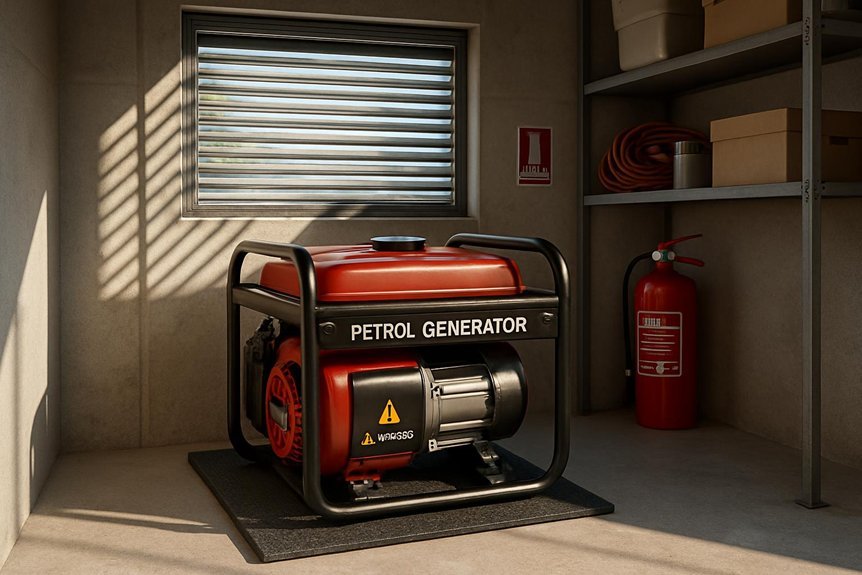
We’ll choose a storage spot that stays well-ventilated and away from ignition sources. We’ll prioritize options that provide steady air flow and meet fire-safety standards. We’ll discuss practical placement and setup steps that keep fumes from accumulating and reduce ignition risk.
Ventilated Storage Options
Where should you store a petrol generator to maximize safety and airflow? We choose a location with steady cross-ventilation, away from hot surfaces and ignition sources. We prioritize open-air or well-ventilated rooms, never confined spaces, to prevent fuel vapors from accumulating. We place the unit on a non-combustible, level pad with a clear perimeter so air can circulate freely around the exhaust and intake areas. We keep containers labeled and upright, always aligned with fuel compatibility guidelines to avoid misfills and leaks. We store fuel in approved containers, away from direct sunlight, heaters, and flames, and monitor ventilation performance regularly. This approach reduces vapor buildup, supports safe operation, and enhances overall storage safety and accessibility.
Fire-Safe Location Essentials
A well-ventilated, fire-safe location is essential for storing a petrol generator. We recommend placing it outdoors or in a dedicated shed with ample airflow, away from heat sources, sparks, and ignition risks. Keep the area dry and clean to prevent fuel vapors from accumulating. Use a stable surface, and ensure the unit is on a non-combustible base to reduce heat transfer. Store fuel separately, in approved containers, and seal them tightly when not in use. Check fuel stability before storage, discarding old fuel as needed. Choose container compatibility with your fuel type to avoid leaks. Ventilation, proper clearance, and routine inspections minimize fire hazards and preserve equipment longevity. Follow these practices consistently for safer, reliable operation.
Keep Generators Away From Ignition Sources and Living Areas
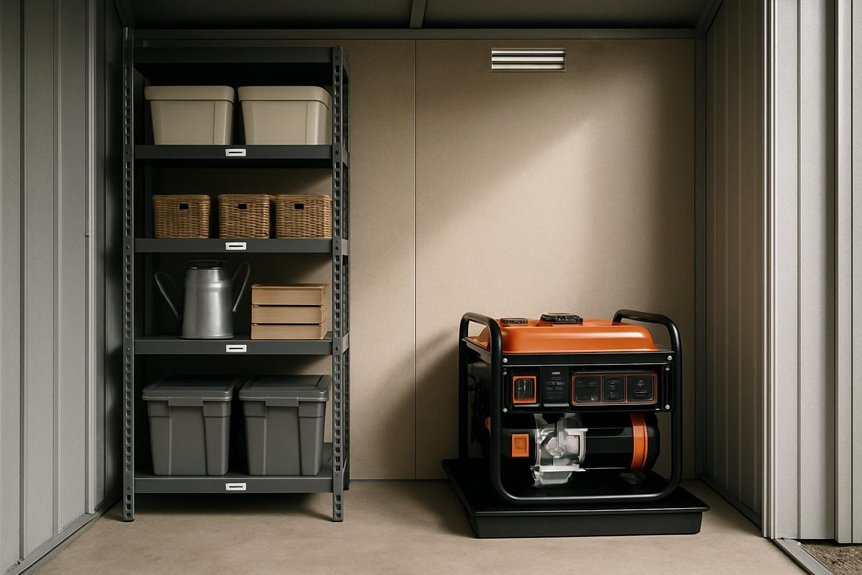
To prevent fires and toxic fumes, keep generators well away from ignition sources and living areas. We position generators outdoors, on stable ground, with at least a clear 10-foot buffer from doors, windows, and vents. Never run them indoors, in garages, or carports, where fumes can accumulate and ignite. We monitor nearby heat sources and keep flammables well out of reach. When discussing placement, we consider wind protection to avoid directing exhaust toward entrances or air intakes, and we use physical barriers where appropriate to minimize accidental contact. For noise reduction, we place generators behind solid barriers or use distance where possible, so household activities aren’t disrupted. In all cases, we maintain accessibility for fuel shutdowns and quick emergency response.
Use Approved Containers and Proper Fuel Handling Practices
Do we we know exactly how to handle fuel safely? We do, and we’ll share it with you. When handling petrol, always use approved containers designed for fuel storage and transport. These containers minimize leaks, limit fumes, and prevent deterioration that could cause spills. Check containers for cracks, venting, and proper seals before use, and only fill to the recommended level to avoid pressure buildup. Keep petrol handling practices simple: label each container, store upright, and never transfer fuel near ignition sources. Always use a dedicated, non-sparking funnel and avoid refueling hot equipment. Maintain good ventilation and clean up spills promptly with approved absorbents. Practicing container safety protects people and equipment and reduces fire risk.
Implement Stable Placement and Spill Prevention Measures
We will start with stable placement to prevent tipping and movement, using level, solid surfaces and corresponding restraints where needed. We’ll implement spill prevention measures such as secondary containment, drip trays, and prompt cleanup protocols to minimize leaks. If anything shifts or spills, we’ll respond immediately with trained procedures to protect people and property.
Stable Placement Guidelines
What measures ensure a petrol generator stays steady and spill-free in any setup? We’ve crafted stable placement guidelines to keep it upright, secure, and ready. Our approach balances weight, surface, and ventilation to prevent tipping or shifting.
- Place on a flat, non-slip surface with clear clearance from walls and ignition sources.
- Secure with straps or brackets to resist movement during operation or transport.
- Use a purpose-built platform or stable mat that distributes load and aids containment.
We emphasize fuel compatibility and container health in setup decisions, selecting containers that tolerate temperature swings and avoid leaks. Regularly inspect mounting points and surface integrity, addressing wear before it fails. These steps minimize spill risk while maintaining safe access and airflow.
Spill Prevention Measures
Spill prevention begins with disciplined placement and proactive containment. We place the generator on a stable, level surface and surround it with a secondary containment tray that can capture spills from hoses or fittings. We ensure all fuel lines and connections are tight, and we replace worn gaskets promptly to minimize leaks. We select containers and storage accessories that preserve container integrity, avoiding cracked or degraded plastics and rusted metal. We store fuel in approved containers with proper venting, and we keep a limited, clearly labeled quantity to reduce risk. We routinely inspect for drips, stains, or corrosion and address issues immediately. We verify fuel compatibility with the stored fuel and equipment to prevent reactions and spills.
Prepare for Ventilation: How to Manage Fumes Safely
To ventilate safely, start by evaluating the area for adequate airflow and removing sources of ignition before you begin any petrol-related work. We’ll help you manage fumes effectively with a simple, repeatable approach:
1) Check ventilation airflow and ensure cross-ventilation by opening doors and windows.
2) Measure fumes concentration with a portable sensor, keeping levels well below any label warnings.
3) Evacuate and recheck if readings rise, and create a temporary ventilation plan before continuing.
We stay disciplined: never rely on one vent, never assume safety. Clear, continuous airflow reduces vapor buildup and protects everyone nearby. With these steps, you minimize risk and maintain a safe workspace during storage preparations.
Conduct Routine Maintenance Before Storing
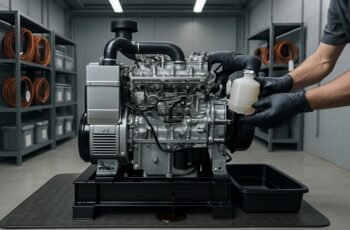
Before putting a petrol generator away, we perform routine maintenance to assure it’s ready for storage and starts reliably when needed. We inspect fuel, change oil, and clean air filters, ensuring no obstructions linger. We run the engine briefly to confirm operation, then drain water or sediment that could cause corrosion. We replace spark plugs if worn and tighten connections to prevent faults. We’ll label and store accessories separately, avoiding clutter. We also check the battery, charging fully and disconnecting if seasonal storage is planned.
| Step | Action | Outcome |
|---|---|---|
| 1 | Inspect fuel system | Prevents leaks and gum buildup |
| 2 | Change oil | Extends engine life |
| 3 | Clean/secure components | Reduces corrosion risk |
We avoid unrelated topics or off topic discussions, staying focused.
Develop a Clear Stowage and Access Plan
We need a clear plan for where and how the generator sits and how you access it quickly. We outline our stowage rules and a secure accessibility plan to minimize spills, tamper risks, and delays. Let’s discuss how these choices affect daily use and safety, and invite your input on any site-specific needs.
Clear Stowage Rules
How can we guarantee safe, immediate access to a petrol generator when it’s needed? We establish Clear Stowage Rules that prioritize visibility, accountability, and safety. Our approach minimizes delay and confusion during emergencies.
- Designated, well-lit storage with unobstructed access and clear pathways.
- Petrole localities clearly labeled, enclosed, and segregated from flammables, with storage labeling and regular checks.
- Controlled inventory, documented movement, and routine inspections to track condition and availability.
We emphasize petrol specific risks in our labeling and placement, ensuring everyone understands hazards and response steps. Stowage must be consistent with manufacturer guidance, fire-safety standards, and local codes. By enforcing these rules, we reduce risk, support rapid deployment, and maintain readiness for any event.
Secure Accessibility Plan
What steps will ensure petrol generator accessibility is both secure and instantaneous when needed? We’re outlining a clear stowage and access plan that minimizes delay without compromising safety. We designate a dedicated, well-ventilated cabinet or area with restricted access, posting entry rules and emergency contact details. We implement a single, labeled retrieval path and keep the fuel canister and tools separate from ignition sources, reducing cross-contamination risk. Regular checks confirm fuel levels, battery charge, and starting procedure readiness. We use sealed containers, grounded shelving, and a spill tray to manage accidents swiftly. Training highlights fuel handling best practices, safe refueling, and ignition source avoidance during operation. This plan balances rapid access with rigorous safeguards, ensuring preparedness and compliance.
Create an Emergency Readiness Checklist for Storage
To prepare for emergencies, we’ve got a practical storage checklist that covers every critical step from securing location to labeling, ventilation, and accessibility. We present a concise frame you can follow:
- Verify fuel compatibility and proper container use to prevent leaks and misfueling.
- Implement corrosion prevention by keeping containers sealed, off concrete, and away from moisture; apply vapor barriers where needed.
- Establish a labeling system and accessible routes so responders can locate and handle the generator swiftly.
We’ll maintain clear protocols, prioritize safe gaps for ventilation, and review accessibility monthly. This checklist supports readiness without overcomplication, ensuring you act decisively during an incident while protecting equipment and personnel.
Inspect and Reassess Storage Safety After Use
We’ve covered securing and labeling the storage space, so now we inspect and reassess after use to guarantee ongoing safety. After each session, inspect the area for leaks, spills, or lingering fumes, and address them immediately. Document any changes to containers, seals, and ventilation, noting conditions that could raise risk tomorrow. Check the generator and fuel cans for corrosion, cracks, or wobbly lids, tightening or replacing as needed. Reassess risks by evaluating ventilation, ignition sources, and accessibility; ensure extinguishers are charged and reachable. Verify that ambient temperature limits weren’t exceeded during storage and that separation from incompatible materials remains intact. Schedule a quick recheck after extended storage periods, adapting your plan if usage patterns change. Maintaining vigilance protects people, property, and equipment.
Frequently Asked Questions
How Long Can Petrol Remain Safely Stored?
Petrol longevity depends on storage, but we estimate about 1–3 months in proper conditions. We emphasize Storage safety: use approved containers, keep in a cool, ventilated place, add stabilizer, and rotate stock to minimize degradation.
Can I Mix Gasoline Brands in One Container?
We should avoid mixing gasoline brands in one container; the mixing brands debate invites instability. Follow container labeling requirements and use a single, properly labeled container to maintain safety, performance, and compliance for our generator fuel.
What Signs Indicate Fuel Degradation or Contamination?
Fuel degradation shows as dark, syrupy odor, varnish-like deposits, and reduced engine performance; contamination signs include sediment, water separation, and foaming. If observed, storage container replacement is advised to protect safe operation. We’ll guide you.
How Often Should Storage Containers Be Replaced?
We recommend replacing storage containers every 3–5 years, depending on material and exposure. We monitor storage lid maintenance and ensure container material suitability to prevent leaks, degradation, or contamination during long-term petrol storage.
Is Displaying a Fuel Compatibility Label Required?
Yes, displaying a fuel compatibility label is required. We’ll ensure container labeling clearly shows fuel type and compatibility, so you know exactly what’s inside and avoid mixing fuels that could compromise generator performance and safety.
Conclusion
We’ve seen how proper fuel choices, containers, and a clear storage plan keep danger at bay. The coincidence is that the same habits protecting your generator also protect your home: clear labeling mirrors routine maintenance, and well-ventilated, fire-safe spaces prevent accidents in everyday life. If we stay disciplined—tested containers, perimeters, and ready extinguishers—we’ll head off leaks and ignition risks before they surprise us, and stay prepared when power’s needed most.