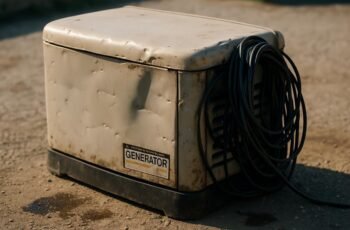
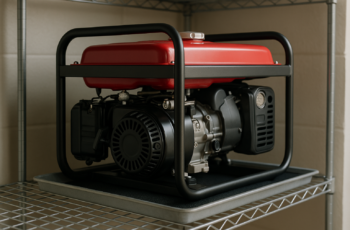
We’ll walk you through what a generator warranty covers, how long portable and standby models last, and the exclusions that can void coverage. We’ll outline the maintenance logs, service requirements, and the filter of proper records that preserve benefits. We’ll compare plan options, costs, and providers, then explain how to file a claim and what to expect from service. Stay with us as we connect the dots that keep your power and value intact.
Key Takeaways
- Understand what a generator warranty covers and common exclusions, including maintenance requirements and authorized service to keep coverage valid.
- Compare portable vs. standby warranties, focusing on duration, major component coverage, and renewal terms beyond price.
- Follow a proactive maintenance plan with a centralized log, including oil, filters, fuel quality, and service records.
- Prepare for claims by gathering policy details, model/serial numbers, failure description, and scheduling diagnostics promptly.
- Maintain documentation to support claims, including installation, registration, service history, and labeled maintenance intervals for quick reference.
What a Generator Warranty Covers and Why It Matters
A generator warranty outlines what parts and repairs are covered, for how long, and under what conditions. We, as readers, want clear boundaries about coverage Nuances and expectations. In this section, we define what “covered” means: essential components, electrical systems, and factory-installed accessories are typically included, while consumables or misuse are often excluded. We explain why generator warranties matter: they provide financial protection against unexpected repairs and give guidance on maintenance requirements to keep coverage valid. We emphasize that coverage nuances vary by model, brand, and policy, so reading the fine print is essential. We also note the importance of documenting installation, registration, and service history to avoid denial. Understanding these elements helps us make informed choices and maximize warranty benefits.
How Long Warranties Last for Portable vs. Standby Generators
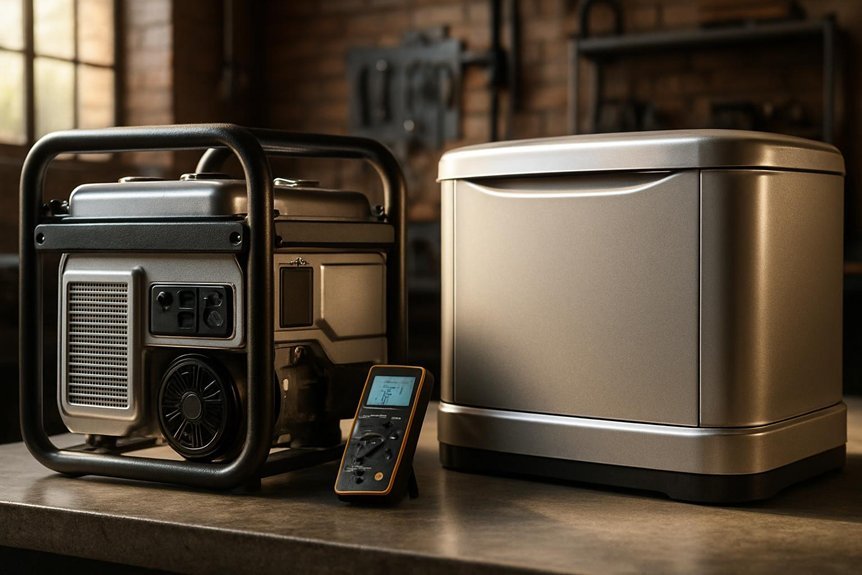
We’ll start by comparing typical warranty lengths for portable generators versus standby models. Portable units often come with shorter coverage, while standby generators usually offer longer terms and sometimes extended options. We’ll outline the key terms you should expect and why the difference matters for protection and peace of mind.
Portable Warranty Duration
How long do portable generators’ warranties last compared to standby models? We compare durability and coverage, so you know what to expect from portable warranties. Our focus is concise, practical guidance you can act on now. Consider these points:
- Coverage length varies by brand, typically shorter for portable units.
- Limited coverage may exclude routine wear, fuel system components, and batteries.
- Registration and service requirements can affect claim eligibility.
Two word ideas emerge: portable warranties. In practice, we see portable models often offer shorter terms but faster service options, while standby warranties emphasize long-term protection and extensive parts matrices. When choosing, quantify the warranty duration, component scope, and required annual maintenance. This clarity helps you optimize value, minimize downtime, and ensure reliable power when you need it.
Standby Generator Terms
Standby generator warranties typically last longer than those for portable units, reflecting their role in extended home protection and higher upfront cost. We compare standby terms by warranty duration, coverage scope, and required maintenance. Our guidance emphasizes that standby systems often include multi-year periods for major components, with shorter terms for accessories or labor. Warranty coverage typically spans internal generator components, transfer switches, and control panels, yet excludes routine wear parts and improper installation. We encourage readers to review exclusions, limits, and transferability, since these factors influence long-term value. When evaluating options, consider dealer support, service networks, and activation timelines. Clear documentation, including proof of maintenance, strengthens warranty protection. In short, understand standby terms and warranty coverage to make informed, resilient purchase decisions.
Common Exclusions That Void Your Generator Warranty
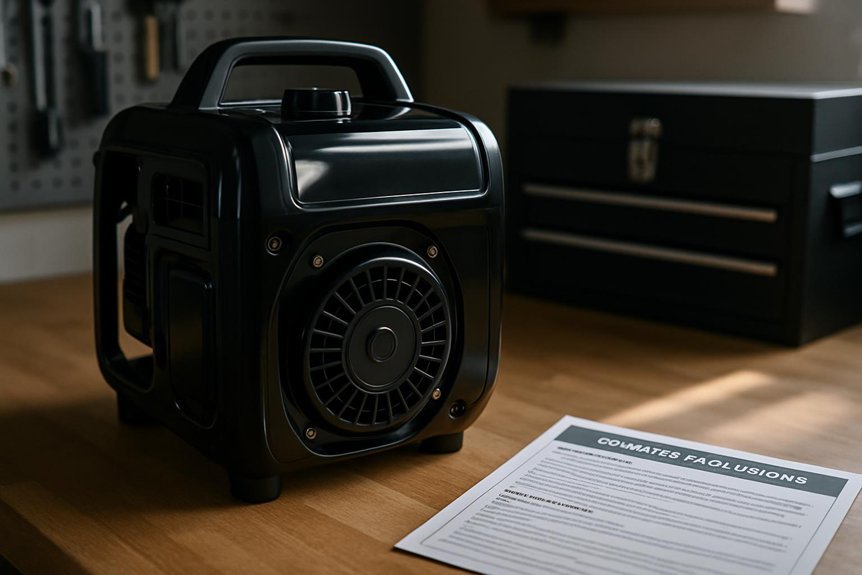
We’re looking at common exclusions that can void your generator warranty, including improper maintenance, unauthorized repairs, and improper fuel handling. When these issues occur, coverage can be denied or limited, so following the manufacturer’s guidelines matters. We’ll outline how each point affects your warranty and what you can do to stay covered.
Improper Maintenance Void
Why does improper maintenance void your generator warranty? We’ll spell out how neglect or incorrect care triggers a warranty void, so you can protect your investment. We stay focused and direct, avoiding fluff.
- We inspect and replace parts as required by the manual to prevent premature wear.
- We follow prescribed intervals for oil, coolant, and filter changes to maintain performance.
- We use the recommended lubricants and fuels to avoid incompatible contaminants.
Improper maintenance leads to accelerated damage, warranty void, and higher out-of-pocket costs. By sticking to the manufacturer’s maintenance schedule and using approved components, we preserve coverage and reliability. If questions arise about what’s required, consult the manual or our guidance to ensure you stay compliant and covered. Our goal is clarity, precision, and proactive protection for your generator.
Unauthorized Repairs Impact
Unauthorized repairs can nullify your warranty, even if the generator otherwise ran fine after the issue was fixed. We explain how unauthorized repairs affect coverage and why manufacturers enforce strict limits. When work is performed by non-authorized technicians or with incompatible parts, warranty enforcement becomes complicated or void. We outline the typical red flags: using third-party components, bypassing safety features, or altering critical systems without verification. Our guidance emphasizes documenting everything, keeping originals, and restoring factory specifications if you ever need to claim. We also clarify what counts as authorized service and how to verify credentials. By understanding these exclusions, you protect your investment and avoid disputes during a claim. Respect warranty terms to ensure reliable support when you need it most.
Improper Fuel Handling
Improper fuel handling is a common exclusion that can void your generator warranty. We’ll highlight how simple missteps can trigger denial and what to do instead, focusing on proper storage, handling, and fueling practices. By following best practices, you limit fuel contamination and protect performance.
- Use fresh fuel and the correct octane, avoiding fuel from older supplies.
- Store fuel in approved containers, sealed and away from heat or ignition sources.
- Add fuel stabilizer for long-term storage and run the engine to distribute treated fuel.
We’ll also inspect lines, filters, and tanks to prevent contamination risks. If you suspect improper fuel handling or fuel contamination, address it promptly with professional service. Proper procedures keep warranties intact and engines running smoothly.
Maintenance Logs and Service Requirements to Preserve Coverage
Maintaining accurate maintenance logs is essential to preserve your generator warranty, because documented service confirms you followed the prescribed intervals and procedures. We’ll outline practical steps you can take today. First, keep a centralized log that records date, hour meter reading, performed tasks, parts used, and technician initials. Include fuel quality checks, oil changes, filter replacements, and cooling system inspections as part of service requirements. Use consistent terminology and avoid vague notes; specify exact specifications and torque values when applicable. Store receipts, warranty cards, and service invoices with the log for easy verification. Regular reviews help you spot missed intervals before a claim arises. Share the log with service providers to align expectations and ensure future coverage remains intact. This approach sustains clarity, accountability, and confidence in your warranty.
Choosing the Right Warranty: Plans, Prices, and Providers
Are you choosing the right warranty plan by weighing what’s covered, for how long, and at what price? We’ll help you compare options clearly and efficiently, focusing on value rather than surprises.
- Evaluate coverage scope, duration, and renewal terms to avoid gaps in protection.
- Consider adjustable pricing options that fit your budget while preserving essential services.
- Check for third party coverage compatibility to maximize protection without duplicating benefits.
We’ll guide you through providers with transparent tiering, clear exclusions, and straightforward claim windows. Prioritize plans that align with your generator’s risk profile and maintenance needs, not just the lowest price. By weighing plans against your priorities, you’ll choose confidently, balancing cost, coverage, and service quality. Remember to verify renewal terms and any pricing changes over time.
How to File a Claim and What to Expect During Service
To file a claim quickly and with minimal back-and-forth, start by gathering key details: your policy number, the generator’s model and serial, the date and time of the issue, and a concise description of what failed. We’ll walk you through the claim process and what to expect during service, so you’re never guessing. Our team reviews coverage limits, confirms warranty transfer if needed, and outlines next steps. Expect scheduling, diagnostics, and repair or replacement as appropriate. Clear communication helps avoid delays and set realistic service expectations. Below is a quick reference table to keep you organized.
| Item | Action | Outcome |
|---|---|---|
| Policy # | Provide | Verification |
| Model/Serial | Record | Identification |
| Date/Time | Note | Issue timing |
Proactive Tips to Maximize Lifespan and Minimize Repairs
Ever wonder how to extend your generator’s life and cut repair needs before they arise? We’re sharing proactive tips to maximize lifespan and minimize downtime, focusing on practical maintenance tips and smart branding strategies that build trust with customers. Start with a routine that fits your usage, then document results for accountability and consistency.
- Schedule regular oil, air, and filter checks, logging dates and readings to spot trends early.
- Run weekly tests at low load, ensuring cooling, electrical, and safety systems stay responsive.
- Maintain a simple branding strategy: clearly label maintenance intervals, service history, and warranty terms for every unit.
Together, these steps sustain performance, reduce surprises, and reinforce reliability in every customer interaction.
Frequently Asked Questions
Do Warranties Cover Accessories Like Cords and Batteries?
We answer: warranties often exclude minor items, but some plans offer Accessory protection and Battery coverage. We’ll clarify: check your policy, but many warranties don’t automatically cover cords or batteries unless stated. Contact us for specifics.
Can Warranties Be Transferred to New Owners?
Yes, warranty transferability exists. We’ll help you transfer coverage when you sell it, requiring proof of ownership. You’ll keep benefits, but check terms, notify us promptly, and note any product-specific transfer steps or deadlines.
Do Generator Warranties Require Factory-Authorized Maintenance Only?
Yes, generator warranties don’t always require factory-authorized maintenance exclusively. We recommend routine generator maintenance and keep records, because transferability of warranties can hinge on documented service by authorized or reputable technicians.
Are Cosmetic Damages Covered by Warranty Claims?
Cosmetic defects aren’t covered by warranty claims, we’ll admit, and cosmetic wear isn’t either; we prioritize functional reliability, we review limitations, and we guide you clearly, concisely, and consistently toward service options for real mechanical issues.
How Do Warranty Periods Differ for Rental or Commercial Use?
Warranty duration differences depend on use; for commercial use, durations are typically shorter and harshly restricted. We’ll explain commercial use implications clearly, then outline how rental terms modify coverage and when extensions might apply for your situation.
Conclusion
We’ve walked through the essentials, and with a clear map in hand, you can protect your generator’s value. Think of the warranty as a trusted steward, gently guiding upkeep, documentation, and timely service. By staying organized and proactive, you avoid rough waters and unnecessary surprises. If you treat maintenance as a routine, you’re painting a smooth horizon—quiet, reliable power when you need it, with fewer costly repairs dimming the scene.