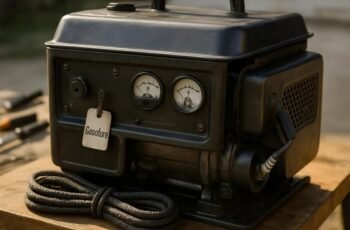
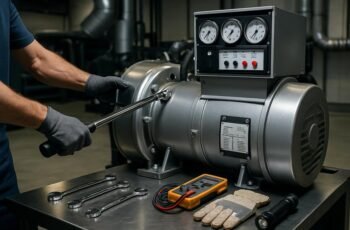
We understand that routine maintenance can cut outage costs by up to 30% over a unit’s life, yet many owners underfund it. We’ll examine how servicing intervals, parts pricing, and labor rates shape total ownership, and how warranties shift out-of-pocket exposure. We’ll tie lifespans to fuel type, load, and proactive care, using data-driven benchmarks to guide replacement timing and budgeting. If we align on metrics and schedules, practical decisions follow—but the next steps aren’t obvious until we map your specifics.
Key Takeaways
- Maintenance categories (routine, replacements, contingency) drive total cost and influence lifespan through intervals, parts prices, and labor rates.
- Regular servicing and manufacturer milestones reduce bore wear, outages, and fuel inefficiency, extending generator life.
- Replacement timing should compare ongoing maintenance costs with new-unit efficiency gains using discounted cash flow for budgeting.
- Spare parts availability, budgeting reserves, and proactive diagnostics mitigate outages and control long-term costs.
- End-of-life indicators (oil consumption, temperature spikes, noise/vibration) guide timely maintenance and replacement decisions.
How to Interpret Generator Servicing Costs
Understanding servicing costs starts with clarity about what’s included and how those costs drive total ownership. We approach this topic with a precise, data-driven lens, outlining components that influence the bill. We categorize costs into routine tasks, mandatory replacements, and contingency spending, then map each to its frequency and impact on uptime. We compare fixed service plans versus pay-as-you-go options, noting how warranties alter out-of-pocket exposure. We quantify generator servicing costs by typical maintenance intervals, parts prices, and labor rates, applying conservative safety margins. We connect these figures to lifespan expectations, showing how regular service correlates with reliability and longevity. We invite you to benchmark your current vendor quotes against these benchmarks to validate accuracy and support informed budgeting for lifespan expectations.
What Affects Generator Lifespan: Fuel Type, Load, and Maintenance
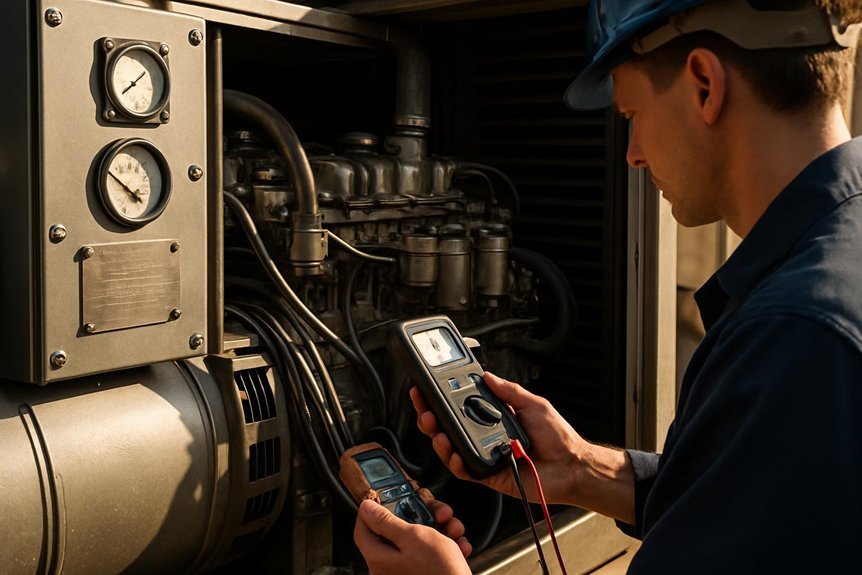
We examine how fuel type, load, and maintenance collectively shape generator lifespan with a data-driven lens. Fuel type influences wear patterns and efficiency, while sustained load levels determine thermal and mechanical stress; maintenance frequency modulates these effects by preventing compounding wear. We’ll outline how each factor interacts with durability and service costs, setting a clear framework for expectations.
Fuel Type Impacts Lifespan
Fuel type is a key determinant of generator lifespan because different fuels burn at varying temperatures and produce distinct wear patterns in engines and components. We examine how fuel choice influences thermal cycling, lubrication demands, and combustion residues, then quantify effects through validated wear models and service data. In our review, fossil fuels generally impose higher particulates and more corrosive byproducts, accelerating injector and cylinder wear, while modern blends and natural gas minimize certain deposits, extending component life under equivalent duty cycles. We assess maintenance intervals, filter efficiencies, and combustion stability to corroborate observed trends. Our findings indicate that consistent, appropriate fuel choice reduces peak stresses and downtime, lowering total life-cycle costs. Emissions data support these conclusions, reinforcing the case for carefully selected fuel types in durability planning.
Load Levels Effect
Load levels directly shape generator wear and life expectancy by altering duty cycle stresses, thermal loading, and lubrication needs. We analyze how higher load levels increase peak currents, elevate mechanical strain, and shorten cooldown periods between cycles, accelerating wear patterns. Lower loads reduce fuel use but can promote carbon buildup and incomplete combustion, which harms efficiency and increases unburned residues. Our data show a defined relationship: sustained high load correlates with faster insulation deterioration and bearing fatigue, while moderate, well-managed loads maintain steadier temperatures and more uniform lubrication intervals. Efficiency drop emerges as a measurable consequence of fluctuating loads, especially when transitions are abrupt or cycles are repetitive. We recommend staged loading, controlled ramping, and monitoring to stabilize wear rates and extend service life. Continuous data logging guides optimization.
Maintenance Frequency Matters
How often you service a generator can dramatically reshape its lifespan, because maintenance frequency directly governs wear mitigation, fault detection, and efficiency recovery. We base recommendations on elapsed hours, operating conditions, and component heat cycles, then translate them into actionable intervals. Regular top-to-bottom inspections catch lubrication gaps, filter restrictions, and corrosion risks before failures occur. Data show that engines with disciplined service at manufacturer-recommended milestones exhibit lower bore wear, fewer unplanned outages, and steadier fuel efficiency. We assess two word discussion ideas—planning cadence and risk-adjusted timing—to tailor schedules, balancing labor costs against long-term durability. By prioritizing maintenance frequency, we reduce cumulative degradation, extend useful life, and preserve performance across varying loads and fuel types, delivering predictable lifecycle costs.
Regular Servicing Schedules by Generator Type
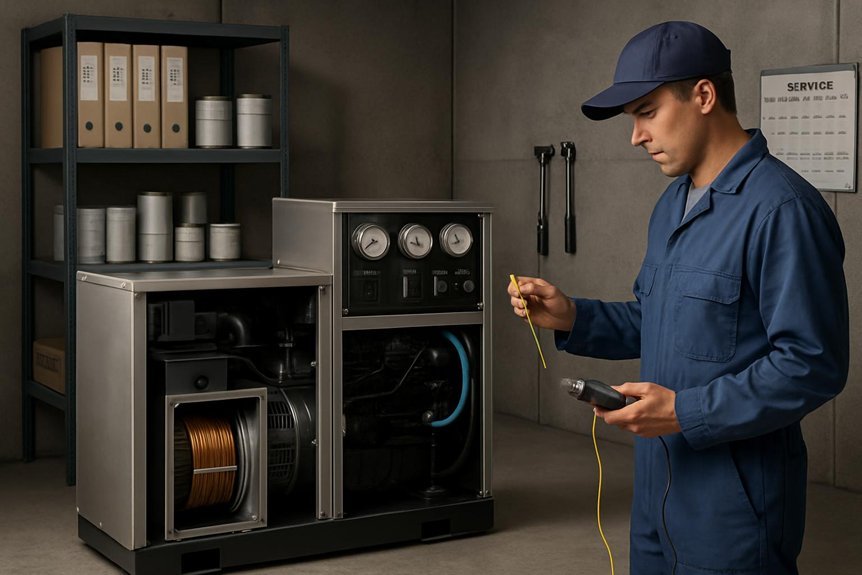
Regular servicing schedules vary by generator type, and understanding these differences helps minimize downtime and extend lifespan. We approach each category with a data-driven lens, aligning maintenance milestones to manufacturer specifications and observed wear patterns. For diesel units, we emphasize filter changes, oil analysis, and cooling system checks at intervals defined by running hours rather than calendar days. Gasoline models prioritize fuel system cleanliness and spark plug replacement on a time-and-hours basis, given carburetor sensitivity. Hybrid and inverter generators rely on software-based diagnostics to trigger routine service. We assess generator installation contexts, ensuring environmental and load considerations are incorporated into schedules. Warranty implications hinge on adherence to prescribed intervals and documented servicing, reinforcing disciplined maintenance rather than ad hoc repairs. Regular adherence sustains reliability and resale value.
Common Maintenance Tasks and Their Cost Ranges
What are the core maintenance tasks across generator types, and what do they typically cost? We’ll outline standard tasks and ranges to help you compare options, focusing on precision and data-driven estimates. Costs vary by size, usage, and location, but patterns emerge that support planning for generator efficiency and noise reduction.
- Oil and filter changes — $70 to $180 per service
- Air filter replacement — $20 to $50
- Spark plug or injector service — $60 to $120
- Coolant and belt inspection — $40 to $100
Routine tests (load checks) and battery health assessments add $50 to $150. Regular maintenance improves reliability, sustains efficiency, and reduces downtime, aligning with noise reduction goals.
Budgeting for Replacement and Total Cost of Ownership
We systematically assess Replacement Timing And Cost, outlining when major components typically reach end-of-life and how that affects upfront budgeting. We then frame the Total Ownership Outlook with clear cost categories, from initial purchase and maintenance reserves to anticipated replacement cycles and residual value. Finally, we define Maintenance And Reserves Levels as inputs to a disciplined financial plan, anchored by data and scenario analysis.
Replacement Timing And Cost
How do we determine when to replace a generator and what it will cost over its lifetime? We approach replacement timing and cost with data-driven checks and consistent metrics, avoiding overstatement. We estimate future performance, failure rates, and maintenance load, then model total cost of ownership through replacement cycles.
1) Assess remaining useful life using load profiles, runtime hours, and reliability data
2) Compare ongoing maintenance costs against a new unit’s efficiency gains
3) Apply a discounted cash flow analysis to future expenses and salvage value
4) Define a replacement trigger tied to cost budgeting thresholds and service risk tolerance
Our method emphasizes transparency, repeatability, and clear budgeting signals to guide decisions. We avoid speculation, focusing on measurable indicators that drive predictable outcomes.
Total Ownership Outlook
We’ll translate our replacement timing and cost insights into a practical total ownership outlook that guides budgeting for replacement and long-term cost control. We approach total ownership by aggregating upfront startup costs, ongoing operating expenses, and end-of-life replacement timing. Our method uses defensible assumptions: equipment life, maintenance intervals, and variable fuel economy as a function of load profile. By mapping annual cash flows, we derive a net present cost for different replacement horizons, enabling apples-to-apples comparisons. We quantify startup costs and their impact on payback risk, then calibrate maintenance spend to preserve reliability while limiting total cost drift. This view emphasizes disciplined forecasting, sensitivity analysis, and documented decision rules to support budgeting, financing, and lifecycle planning without overpromising future performance.
Maintenance And Reserves Levels
Maintenance and reserves levels are the hinge of reliable replacement budgeting: they define how much we set aside for routine upkeep and future capex to avoid cost surges. We approach this with data-driven targets that reflect failure rates, lead times, and maintenance budgeting benchmarks, incorporating spare parts availability as a critical constraint. Our framework emphasizes transparency, traceability, and proactive Planning.
- Align annual reserves with historical failure patterns and vendor lead times.
- Separate maintenance budgeting from capex forecasts to prevent cross-subsidization.
- Schedule regular reviews of spare parts inventories against usage and criticality.
- Build contingency buffers for unanticipated outages and price volatility.
This disciplined approach reduces hidden costs, extends life, and protects Total Cost of Ownership.
Indicators That Your Generator Is Nearing End of Life
Are you noticing more frequent outages, rising repair costs, or unusual engine noises? We observe clear signals that our generator is near end of life and a replacement need becomes likely. We track performance metrics: runtime degradation, escalating maintenance intervals, and reduced load responsiveness. Corrosion, overheating, and excessive oil consumption correlate with accelerated wear. Diagnostic data show increased fault codes and longer recovery times after faults. Given patterns, we recommend documenting timelines, costs, and failure modes to inform replacement decisions.
| Indicator | Threshold | Action |
|---|---|---|
| Runtime efficiency | <90% baseline | Review capacity, plan replacement |
| Fault frequency | daily to weekly | Schedule inspection, budget replacement |
| Oil consumption | >1 qt/40 hours | Assess seals, prepare replacement |
| Temperature spikes | >10% above average | Perform load test, consider unit swap |
| Noise/vibration | new irregulars | Engage technician, anticipate replacement |
How to Maximize Lifespan With Proactive Care
Proactive care extends lifespan by combining routine monitoring with disciplined maintenance, ensuring we address wear before it escalates into costly failures. We approach longevity with data-driven checks, documented results, and disciplined schedules that minimize downtime. By aligning tasks with measurable thresholds, we reduce unexpected outages and optimize performance.
1) Establish a proactive budgeting plan that allocates funds for scheduled services and parts, easing cash flow shocks.
2) Implement regular fuel system diagnostics to sustain fuel efficiency and prevent deposits that raise wear.
3) Schedule pre-winter and pre-summer inspections to catch seasonal stress, corrosion, and lubrication needs.
4) Track performance metrics over time to verify improvements and refine maintenance intervals for maximum lifespan.
Frequently Asked Questions
Can Warranty Terms Affect Long-Term Service Costs?
Warranty terms can shape long-term service costs, yes. We evaluate warranty logistics, coverage scope, and claim processes, then compare with our service pricing to project total spent. We’ll optimize reliability while minimizing out-of-pocket repairs.
Do Warranties Cover Both Parts and Labor?
We answer: warranty coverage typically includes parts and labor, but terms vary. We outline that some plans exclude wear items, require authorized service, and cap labor rates; this affects service costs and overall cost certainty for customers.
How Does Generator Size Impact Maintenance Frequency?
We’ve found that larger generators generally demand less frequent maintenance per kilowatt but require more comprehensive inspections; generator sizing influences maintenance frequency through load factors, cooling, and filtration cycles, so we tailor schedules accordingly for optimal reliability.
Are There Hidden Costs After Extended Warranties Expire?
Hidden costs often emerge after extended warranties expire, we’d caution you to review warranty terms carefully and plan for inevitable maintenance, parts, and labor. We’ll quantify risks, track data, and compare replacement versus repair costs.
What Are Early Signs of Battery Degradation?
We’ll start by outlining early signs of battery degradation: reduced runtime, longer recharge times, higher internal resistance, and noticeable voltage sag. We systematically monitor cycle counts, temperature profiles, and capacity fade to quantify battery degradation accurately.
Conclusion
We’ve walked through the numbers, noting that proper servicing nudges reliability while extending life. Like a well-tuned engine purring through miles, our data shows regular maintenance lowers outages and stabilizes fuel use, delaying costly replacements. When cost and performance converge, a decision about replacement becomes a disciplined forecast, not a guess. By tracking milestones, warranties, and salvage value, we chart a clear road from current uptime to total ownership clarity.