We’re building a practical generator maintenance schedule that aligns type, usage, and duty cycle with fuel, ignition, and control interactions. We’ll define routine tasks, logs, and alarm protocols, and map monthly and seasonal checks to reliability objectives. By detailing inspections, tests, and record-keeping, we maintain traceable history and rapid fault-tracking. With environment and load variations in mind, we’ll tailor the plan to your system. There’s a critical point we must address next to ensure consistency.
Key Takeaways
- A generator maintenance schedule outlines routine tasks, cadence, and acceptance criteria for engine, alternator, and controller interactions.
- It covers fuel stability, storage sampling, filter inspection, and proper blending limits to ensure reliability.
- Regular tasks include monthly battery checks, belt inspection, load-tested startups, oil level checks, and seasonal fuel stabilization.
- Inspections, tests, and alarm protocols define triggers, pass/fail criteria, and documentation for traceability.
- A planning and reliability framework links asset criticality to intervals, spares, tools, and maintenance records for continuous improvement.
What a Generator Maintenance Schedule Covers
A generator maintenance schedule outlines every routine task required to keep the system reliable, safe, and ready to operate. We describe core activities we perform, who’s responsible, and the cadence we follow. Our approach centers on clear checklists, defined acceptance criteria, and objective pass/fail triggers. We examine generator design components for wear, alignment, and impedance, ensuring interactions among engine, alternator, and controller remain within specification. We verify fuel stability by sampling storage fuel, inspecting filters, and confirming proper blending and contaminant limits. We test starting, charging, and shutdown sequences, logging anomalies and corrective actions. We schedule preventive tasks, calibration, and lubrication intervals to minimize unplanned outages. Our documentation supports audits, performance tracing, and continuous improvement, keeping the system ready, compliant, and efficient.
Assess Your Generator Type and Usage Needs
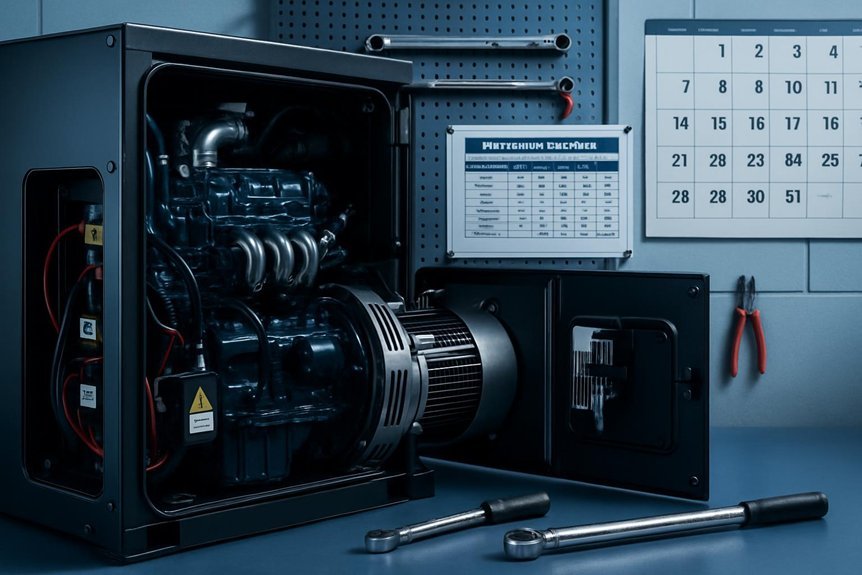
We start by matching the generator type and usage profile to performance needs established in the maintenance plan, ensuring our checks align with the actual system. We assess capacity, runtime requirements, and duty cycle to select the appropriate unit and configuration. We compare fixed, portable, and standby designs for load handling, start-up surges, and cooling needs, documenting expected operating parameters. We evaluate parallel capability, fuel type, and regulatory considerations to optimize reliability. We prioritize generator efficiency by aligning fuel delivery, ignition timing, and electrical output with load profiles, and we identify potential bottlenecks early. We address fuel stabilization strategies, storage conditions, and filtration to minimize degradation. This disciplined assessment informs maintenance tasks, calibration, and monitoring thresholds, guiding proactive interventions and preventing performance drift or unexpected downtime.
Monthly and Seasonal Maintenance Tasks You Can Do
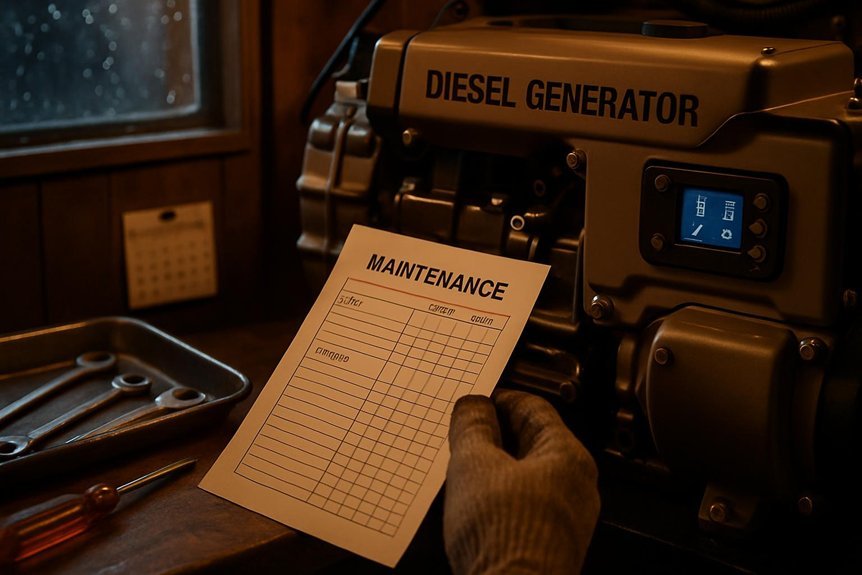
Monthly and seasonal maintenance tasks are practical checklists we perform to prevent outages and extend the generator’s life. We’ll outline clear actions you can take now, then schedule them for reliability. For monthly tasks, verify battery charge, inspect belts, and test startup under load to confirm voltage stability. Check fuel quality, inspect oil levels, and replace filters as specified by manufacturer guidance. For seasonal storage, drain contaminants, stabilize fuel if needed, and top off cooling fluids. Lubricants and seals require inspection for signs of degradation, while vent and exhaust paths must be clear. Maintain a concise monthly budget for parts and consumables, and document task completion with dates and observations. Following these steps minimizes idle time and preserves performance during peak demand cycles.
Routine Inspections, Tests, and When to Alarm
We outline our routine inspection triggers, ensuring we detect issues early and minimize downtime. We’ll specify test intervals and limits so functionality is verifiable and consistent across units. We’ll also lay out alarm activation guidelines to prompt timely responses and protect equipment.
Routine Inspection Triggers
Routine inspections are triggered by a defined set of conditions that indicate potential degradation or imminent failure, and they are executed before alarms are needed. We establish clear thresholds and observable cues, then verify consistency across systems. Our approach is proactive: when readings deviate from baseline, or when environmental inputs exceed expected ranges, we initiate a targeted inspection sequence. We prioritize critical subsystems—fuel, cooling, lubrication, electrical, and exhaust—to confirm integrity and detect precursors to faults. We account for weather patterns and wind effects, recognizing that external loading and temperature fluctuations can reveal hidden concerns. Documentation captures the trigger rationale, inspection scope, and findings, ensuring traceability and reproducibility. By maintaining disciplined triggers, we reduce false alarms and strengthen reliability without delaying necessary interventions.
Test Intervals And Limits
To set reliable expectations for ongoing integrity, we define exact test intervals and acceptance limits that govern routine inspections, tests, and alarm triggers. Our approach is precise: we schedule generator testing and battery backup checks to guarantee readiness, with clear pass/fail criteria and documented results. We limit scope to routine inspections, performance verifications, and timer-based tests, avoiding activation guidelines here. We track variables such as load tolerance, lubrication status, and electrical coupling, and we adjust intervals based on risk and manufacturer guidance. This promotes consistent reliability and fast issue detection. Below is our cadence table.
| Interval | Target Criterion |
|---|---|
| Monthly | Visual, electrical checks |
| Quarterly | Functional run, load test |
Alarm Activation Guidelines
Alarm activation hinges on objective criteria and timely triggers. We, as maintainers, outline clear routines for when alarms should sound during inspections, tests, and normal operation. We baseline alarm thresholds for critical parameters, ensuring thresholds reflect safe operating margins and real-world conditions. Routine inspections verify sensor integrity, wiring continuity, and display annunciators, while functional tests confirm that alarms activate within specified response times. We document any deviations and adjust thresholds only after verification. Battery health directly impacts alarm reliability; we assess charge status, voltage levels, and aging indicators to prevent nuisance or missed alarms. When measurements breach limits, we initiate immediate alerts and isolate nonessential loads as needed. Regular reviews of thresholds and battery health keep the system responsive and predictable under all load scenarios.
Planning, Tools, and Record-Keeping for Reliability
How can we guarantee reliability through deliberate planning, the right tools, and disciplined record-keeping? We answer with a structured approach that keeps maintenance predictable and verifiable. We define a master plan that links asset criticality to intervals, due dates, and spare parts, then translate it into actionable tasks. Our planning tools include checklists, Gantt-style timelines, and failure-mode analyses to identify gaps before they arise. We select tools that fit our environment, from digital work orders to calibrated test equipment, ensuring consistency across shifts. Record keeping is the backbone: incident logs, calibration certificates, and service histories form a traceable reliability trail. Together, these practices enable timely interventions, data-driven decisions, and sustained generator readiness.
Adapting the Schedule for Environment and Load Variations
We adjust our maintenance plan to account for environmental load variability, ensuring readiness across changing conditions. We’ll set adaptive maintenance windows and weather-driven scheduling adjustments to optimize reliability without unnecessary downtime. This discussion centers on environmental variability, responsive windows, and how weather patterns influence inspection and service intervals.
Environmental Load Variability
Environmental load variability demands a schedule that adapts to changing conditions and usage patterns. We examine how environmental load fluctuations influence generator performance, maintenance timing, and spare-part planning. By quantifying variability effects, we establish thresholds that trigger schedule adjustments, ensuring reliability without unnecessary downtime. We monitor ambient temperature, humidity, dust, and altitude impacts on cooling efficiency, bearing stress, and fuel quality. Our approach ties weather-driven demand shifts to maintenance windows, aligning inspections with high-load periods and low-demand intervals. We document variance in output efficiency and start-stop cycles to predict wear rates, then update torque checks, filtration, and lubrication cycles accordingly. Clear communication of these factors helps operators, technicians, and managers anticipate service needs based on documented environmental load, variability effects, and data-driven thresholds.
Adaptive Maintenance Windows
As environmental load variability shapes when and how we operate, we set maintenance windows that adjust to real-time conditions and usage patterns. We implement adaptive maintenance windows by monitoring load profiles, temperature, and utilization metrics, then aligning service actions with actionable thresholds. Our approach prioritizes equipment health, minimizes disruption, and preserves reliability through dynamic scheduling that responds to actual conditions rather than fixed calendars. We assess component wear, anticipate failure modes, and trigger maintenance only when risk is elevated, balancing downtime against expected lifecycle costs. This method reduces unnecessary interventions and concentrates resources where they yield the greatest reliability gains. By documenting triggers, outcomes, and adjustments, we sustain a transparent, data-driven maintenance cadence aligned with operational demand.
Weather-Driven Scheduling Adjustments
How do weather and load trends shape our maintenance cadence, and can we translate those signals into proactive scheduling? We respond with a weather driven lens, aligning checks to anticipated stress and downtime. By correlating ambient temperature, humidity, and peak demand, we define windows that preserve reliability while minimizing unnecessary sprint maintenance. Our approach uses data-driven thresholds to trigger scheduling adjustments, ensuring parts availability and crew readiness match conditions. We prioritize predictive tasks and document variance to refine future cycles. This yields tighter control over risk, improved uptime, and clearer communication with stakeholders.
- Monitor ambient conditions and load forecasts to flag early maintenance needs
- Align spares and crews to projected temperature and demand shifts
- Schedule preventive tasks during favorable weather windows
- Review outcomes to iterate on thresholds and timing
Frequently Asked Questions
How Often Should You Replace Fuel and Oil Filters?
We replace fuel filter and oil filter at defined replacement intervals, respecting maintenance cadence; we recommend inspecting conditions monthly and replacing when contaminated or degraded, ensuring optimal performance and reliability in our generator system.
What Are Cost Indicators of Impending Generator Failure?
We watch for cost indicators signaling impending failure: rising fuel costs, unexplained power dips, worn bearings, and sensor alerts. We, like caretakers, fix the root causes promptly to prevent cascading breakdowns and costly, avoidable outages.
Can You Run Maintenance Tasks Remotely or Automatically?
We can perform some maintenance tasks remotely via remote automation, and we enable predictive monitoring to trigger automatic alerts and actions. We’ll monitor signals, schedule checks, and execute preventive steps when thresholds are breached, ensuring reliability and uptime.
Which Certifications or Codes Apply to Maintenance Work?
We do, ironically, love pretending we’re flawless, but maintenance certifications and safety codes guide us. We apply strict standards, comply with applicable codes, and verify credentials, ensuring our team meets maintenance certifications and safety codes for every task.
How Do You Handle Maintenance for Tandem or Parallel Systems?
We sync tandem systems by verifying tandem synchronization and coordinating tests, then monitor controls for proper parallel load sharing, perform regular torque checks, and implement preemptive fault isolation to keep the parallel generation stable and reliable.
Conclusion
We’ve laid out a practical framework you can trust to keep your generator ready, aligned with usage, and backed by traceable records. By tackling monthly checks, seasonal tasks, and clear alarm protocols, you’ll spot issues before they escalate. Our approach emphasizes proactive planning, consistent inspections, and documentation that supports reliability under load. Stay disciplined, follow the cadence, and you’ll be one step ahead—no surprises, just steady performance, like clockwork, right when you need it. Stay sharp.