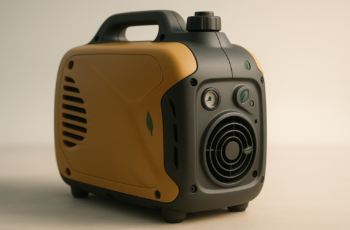
It’s often assumed that any portable generator can suffice during a blackout, but this oversimplification can lead to insufficient power supply or equipment damage. To guarantee reliable operation, we need to carefully assess your home’s essential energy demands and match them with appropriate generator specifications. Understanding these technical nuances is vital for selecting a unit that balances performance, safety, and cost. Let’s explore the key factors that determine the right generator for your household needs.
Key Takeaways
- Determine your essential appliances’ total wattage, including surge requirements, to select a generator with adequate capacity.
- Choose inverter generators for stable power and quieter operation suitable for sensitive electronics.
- Opt for models with sufficient runtime and fuel efficiency to cover expected blackout durations.
- Prioritize portability features like weight, handles, and size for easy transportation and storage.
- Ensure regular maintenance and proper storage to guarantee long-term reliability and readiness.
How to Determine Your Home’s Power Needs During a Blackout

To accurately determine your home’s power needs during a blackout, it’s essential to identify the critical appliances and systems that must remain operational. We begin by listing essential devices such as refrigeration units, heating or cooling systems, medical equipment, and communication devices. Next, we record the wattage ratings of each device, typically found on labels or user manuals. Sum these wattages to establish the total continuous power requirement. Additionally, account for surge wattage, which occurs when appliances start up—especially motors and compressors. This initial surge can be two to three times the running wattage. By calculating both the continuous and surge loads, we can determine the minimum generator capacity needed to reliably power your critical systems during an outage.
Key Features to Look for in a Portable Generator
When selecting a portable generator, prioritizing key features guarantees reliable performance and safety during power outages. Critical features include:
- Wattage Capacity: Guarantee the generator provides sufficient continuous and surge wattage to support essential appliances without overload.
- Run Time: Look for models with extended operation on a single fuel tank to minimize refueling interruptions during outages.
- Inverter Technology: Opt for inverter generators for cleaner, stable power suitable for sensitive electronics.
- Portability Features: Consider weight, size, and handle design to facilitate easy transportation and placement around your property.
These features collectively guarantee dependable, efficient, and safe operation when powering your home through blackouts.
Comparing Different Types of Portable Generators for Home Use
Different types of portable generators are designed to meet varying home power needs, each offering distinct advantages and limitations. Inverter generators produce clean, stable power with higher efficiency and quieter operation, making them suitable for sensitive electronics. Conventional open-frame generators deliver higher wattage outputs and are generally more cost-effective, but tend to be louder and less fuel-efficient. Dual-fuel models provide flexibility by operating on gasoline or propane, allowing for extended runtime and fuel source options. Solar generators utilize renewable energy, offering silent, emission-free power, but typically have lower wattage capacities and longer recharge times. Understanding these distinctions helps us select the most appropriate generator based on your specific power requirements, environmental considerations, and budget constraints.
How to Choose the Right Wattage and Runtime for Your Home
To select the appropriate generator, we must accurately assess the total wattage of essential appliances and systems in your home. Runtime duration depends on your typical power usage patterns and the generator’s fuel capacity, requiring careful consideration of your backup needs. Ensuring these parameters align will optimize performance and reliability during power outages.
Assess Power Needs
How do you determine the appropriate wattage and runtime for your home’s portable generator? First, list all essential appliances and their starting and running wattages. Second, sum their wattages to find the total continuous load. Third, add a safety margin of 10-20% to account for startup surges. Fourth, verify the generator’s rated wattage exceeds this total for reliable operation. For runtime, calculate the daily power consumption of your critical devices and match it with the generator’s fuel capacity and consumption rate. This guarantees your generator can sustain essential loads throughout the outage duration. Precise assessment prevents overloads and ensures sufficient runtime, optimizing generator selection for your specific power requirements.
Consider Runtime Duration
Choosing the right wattage and runtime for your home’s portable generator requires careful calculation to guarantee continuous power during outages. First, determine the total wattage of essential appliances and systems you need to support simultaneously. Then, select a generator with a continuous wattage rating that exceeds this total to prevent overloads. Runtime duration depends on fuel capacity and the generator’s fuel consumption rate; larger tanks provide longer operation but may increase size and weight. To assure reliability, consider your typical outage length and choose a generator with a runtime that surpasses that period. Precise assessment of your power requirements combined with understanding fuel efficiency will help you select a generator that maintains essential functions without interruption.
Safety Tips for Operating Your Portable Generator
Operating a portable generator safely is essential to prevent accidents and guarantee reliable power supply. Proper operation minimizes risks such as carbon monoxide poisoning, electrical hazards, and fire.
To guarantee safety, we advise:
- Always operate the generator outdoors in a well-ventilated area, away from windows, doors, and vents.
- Use heavy-duty extension cords rated for outdoor use, avoiding overloads to prevent electrical fires.
- Never refuel the generator while it is running or still hot; turn it off and wait until it cools.
- Install carbon monoxide detectors inside your home to monitor for potentially lethal fumes.
Adhering to these guidelines reduces hazards and ensures efficient, safe operation during power outages.
Budget Considerations and Cost-Effective Options
Budget considerations play a crucial role in selecting the right portable generator, as initial purchase price often correlates with features, durability, and power output. Lower-cost models typically have limited wattage capacity, fewer outlets, and reduced runtime, which may restrict their effectiveness during a blackout. Conversely, higher-priced units generally offer increased wattage, enhanced fuel efficiency, and more robust construction, guaranteeing longer operational life. To optimize cost-efficiency, evaluate your power requirements carefully and select models with appropriate surge and rated wattage. Look for generators with essential safety features and reliable brand reputations to prevent future expenses. Additionally, consider the long-term value by factoring in fuel consumption and maintenance costs. Balancing upfront investment with operational efficiency ensures a financially sound choice tailored to your home’s emergency power needs.
How to Maintain and Store Your Generator for Long-Term Reliability
Regular maintenance and proper storage are essential to guarantee your generator remains reliable over the long term. Proper upkeep minimizes wear and prevents component failure.
Routine maintenance and correct storage ensure your generator stays dependable and lasts longer.
- Regular Oil Changes: Replace engine oil according to manufacturer specifications to prevent corrosion and ensure maximum lubrication.
- Fuel Stabilization: Use fuel stabilizer if storing fuel for extended periods, and run the generator periodically to circulate stabilized fuel.
- Battery Maintenance: Check and charge the battery regularly, ensuring terminals are clean and connections secure.
- Storage Environment: Store in a dry, cool location, preferably elevated to prevent moisture accumulation, and protect from dust and pests.
Consistent adherence to these steps maintains operational integrity and extends your generator’s lifespan.
Frequently Asked Questions
How Loud Are Most Portable Generators During Operation?
Most portable generators operate between 50 to 75 decibels, comparable to a vacuum cleaner or normal conversation. We recommend considering quieter models if noise levels are a concern, especially for residential or nighttime use.
Are Portable Generators Safe to Use Indoors?
Using portable generators indoors is like inviting a cautious but powerful guest; it’s unsafe due to carbon monoxide risks. We recommend always operating them outdoors in well-ventilated areas, away from windows and vents for safety.
Can Portable Generators Run on Alternative Fuels?
Yes, some portable generators can run on alternative fuels like propane, natural gas, or dual-fuel systems, offering flexibility and cleaner emissions. Always verify fuel compatibility, proper venting, and manufacturer recommendations before operation for safety and efficiency.
What Are Common Signs of a Generator Malfunction?
Like a warning signal, common signs of generator malfunction include unusual noises, persistent difficulty starting, frequent power outages, excessive vibration, and overheating. Regular inspections and maintenance help detect issues early, ensuring reliable operation during blackouts.
How Long Do Portable Generators Typically Last?
Typically, portable generators last between 1,000 to 3,000 hours of operation, depending on maintenance and quality. Regular oil changes, proper fuel storage, and adhering to manufacturer guidelines substantially extend their lifespan, ensuring reliable performance during outages.
Conclusion
In conclusion, selecting the right portable generator is like choosing a reliable engine for your home’s safety. By understanding your power needs, prioritizing key features, and maintaining your unit properly, you guarantee a steady, quiet flow of electricity during blackouts. Think of it as your home’s silent guardian—ready to spring into action when darkness falls, ensuring your essential appliances stay powered and your peace of mind remains intact, no matter what challenges lie ahead.