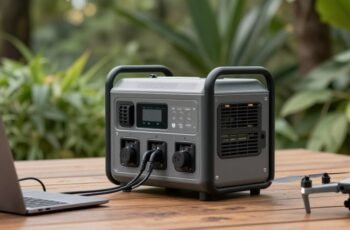
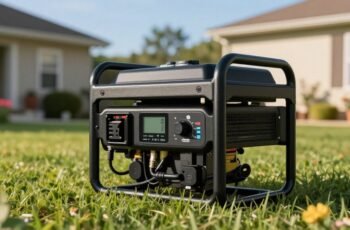
Did you know that nearly 70% of outdoor event failures are linked to insufficient or unreliable power sources? Ensuring continuous, safe, and efficient electricity is vital for success, yet selecting the right portable generator involves more than just capacity. We need to analyze factors like power needs, fuel options, noise, and durability to make an informed choice. Understanding these elements can greatly impact your event’s smooth operation and overall experience.
Key Takeaways
- Determine total power needs by listing all devices and adding a safety margin, including startup wattages.
- Choose generators with appropriate power output, low noise levels, and sufficient runtime for event duration.
- Consider fuel type options—gasoline, propane, or solar—based on environmental impact, capacity, and operational convenience.
- Prioritize portability features like wheels and handles for easy setup and ensure durability against outdoor conditions.
- Follow safety guidelines, maintain regular servicing, and select top models suited for event size and budget.
Understanding the Importance of Portable Generators for Outdoor Events
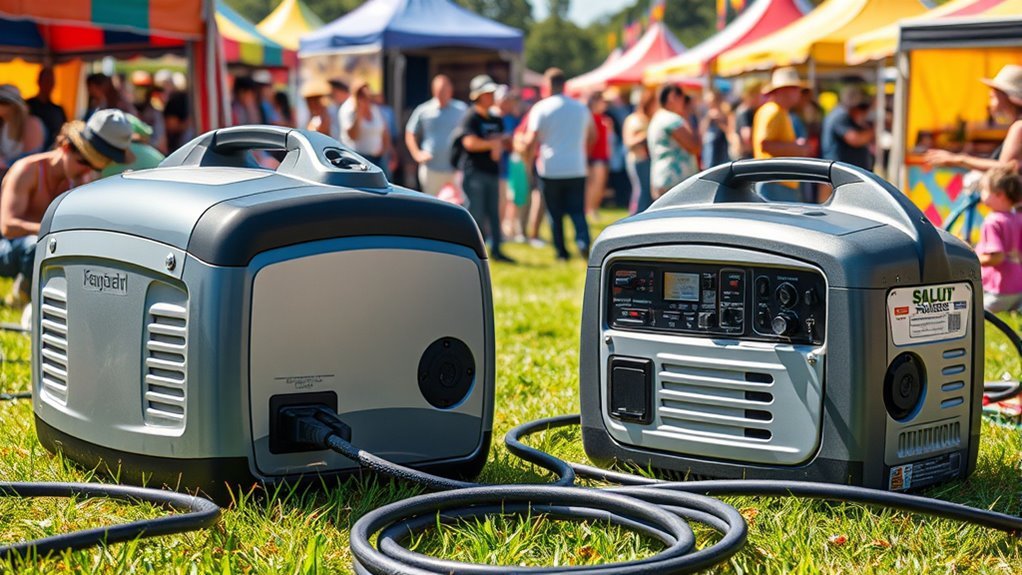
Outdoor events often rely on portable generators as essential power sources, especially when access to the grid is limited or unavailable. These units provide a reliable, independent power supply critical for powering lighting, sound systems, and other essential equipment. Their importance lies in their ability to deliver consistent voltage and wattage, preventing equipment failure or damage. When selecting a generator, understanding power requirements and load management becomes imperative to avoid overloads and guarantee operational stability. Additionally, portability and fuel efficiency influence operational costs and logistical planning. By analyzing power demands and environmental conditions, we can determine the most suitable generator type, ensuring uninterrupted performance. Proper understanding of these factors highlights the indispensable role of portable generators in maintaining smooth, successful outdoor event operations.
Key Features to Look for in a Portable Generator for Events
When selecting a portable generator for events, focusing on key features guarantees reliable performance and operational efficiency. Essential attributes include power output, noise level, runtime, portability, and durability. Power output must match the event’s load requirements, ensuring stable energy supply. Noise levels impact attendee experience, especially in quiet environments. Runtime determines operational longevity, particularly for extended events. Portability features, like wheels and handles, facilitate transportation and setup. Durability ensures resilience against weather and rough handling. The table below highlights these critical features:
| Feature | Importance |
|---|---|
| Power Output | Meets event load demands for stability |
| Noise Level | Preserves attendee comfort and compliance |
| Runtime | Ensures continuous operation during the event |
| Portability | Simplifies transport and setup |
| Durability | Extends lifespan and withstands outdoor conditions |
How to Determine the Right Power Capacity for Your Event?
To determine the appropriate power capacity, we start by calculating the total power requirements of all devices and equipment expected at the event. We must also consider the starting wattage for appliances with motors or compressors, which can substantially exceed their running wattage. Additionally, planning for future expansion ensures the generator can accommodate potential increases in load without compromising performance.
Calculate Total Power Needs
Determining the appropriate power capacity for your event requires a thorough assessment of all electrical loads involved. We start by listing every device and equipment, noting their startup (surge) and running wattages. It’s vital to distinguish between continuous loads and short-term surges, summing the highest startup wattages for each device. Next, we aggregate these figures to establish the total wattage requirement. To guarantee reliable operation, we include a safety margin—typically 20-25%—to account for unforeseen power demands. By analyzing the cumulative wattage, we identify the minimum generator capacity needed. This methodical approach prevents undersizing, which risks equipment failure, and oversizing, which leads to unnecessary costs. Precise calculation ensures the selected generator efficiently meets all event power requirements.
Consider Starting Wattage
Understanding the starting wattage of each device is vital for accurately sizing your generator, as equipment often demands considerably more power during startup than during steady operation. This surge, known as the inrush or starting wattage, can be two to three times higher than the running wattage. Failing to account for this can lead to generator overloads or insufficient power supply. To determine the appropriate capacity, we analyze each device’s startup requirements, typically listed on labels or in manuals. We then sum these values alongside running wattages to establish a reliable power capacity margin. This approach guarantees the generator can handle initial surges without tripping or damage, providing consistent performance during the event. Properly considering starting wattage is essential for choosing a generator that meets operational demands without unnecessary oversizing.
Account for Future Expansion
Anticipating future expansion is critical when selecting the appropriate power capacity for your outdoor event, as unforeseen growth can strain your generator’s limits and compromise operations. To determine the right size, evaluate potential increases in equipment or attendee numbers and incorporate a safety margin—typically 20-30%. This guarantees your system remains reliable under expanded load.
Key considerations include:
- Projected growth in electrical load over time
- Additional equipment or technology that may be added
- Peak power demands during the event
- Long-term operational flexibility and scalability
Comparing Fuel Types: Gasoline, Propane, and Solar Options
What are the key differences among gasoline, propane, and solar-powered generators when it comes to outdoor event use? Gasoline generators deliver high power output and quick refueling, making them ideal for demanding applications; however, they emit higher noise levels and produce exhaust fumes, which can impact event ambiance. Propane generators offer cleaner emissions, quieter operation, and longer shelf life, but generally have lower power capacities and may require specialized fuel tanks or connections. Solar generators rely on renewable energy, providing silent, emission-free operation with minimal maintenance, but they depend heavily on sunlight and have limited power output, which restricts their use to smaller events or supplementary power needs. Each fuel type presents trade-offs in power, environmental impact, and operational convenience, essential for informed selection based on event scale and setting.
Noise Levels and Portability: Finding a Generator That Won’t Disrupt Your Event
When selecting a portable generator for outdoor events, noise levels and ease of transportation become critical factors that can influence the overall experience. High noise output can disrupt attendees, while poor portability hampers setup and repositioning. To optimize both, consider models with sound-dampening features and lightweight design.
Key considerations include:
- Decibel ratings: Aim for generators under 60 dB for minimal disruption.
- Weight and size: Choose compact, lightweight units for easier handling.
- Handles and wheels: Look for integrated wheels and ergonomic handles to facilitate transportation.
- Design features: Consider models with foldable handles or compact frames to maximize portability and guarantee minimal noise.
Balancing these factors ensures a quieter, more manageable power source for your outdoor event.
Assessing Run Time and Fuel Efficiency for Extended Events
To guarantee uninterrupted power throughout extended outdoor events, evaluating a generator’s run time and fuel efficiency is essential. Run time indicates how long a generator can operate on a full tank, directly impacting planning and logistics. Longer run times reduce refueling frequency, minimizing disruptions. Fuel efficiency, expressed as gallons per hour or liters per hour, provides insight into operational costs and resource management. Analyzing the generator’s wattage load relative to fuel consumption helps determine real-world performance, assure it meets the event’s power demands without excess fuel use. Additionally, considering fuel tank capacity in relation to expected run time allows for better scheduling of refueling breaks. This technical assessment ensures a reliable power supply while optimizing fuel use and minimizing costs during extended outdoor events.
Safety Tips for Operating Portable Generators Outdoors
Operating portable generators outdoors requires strict adherence to safety protocols to prevent accidents and guarantee reliable power delivery. Proper safety measures minimize risks such as fire, electrical shock, and carbon monoxide poisoning. Always operate generators in well-ventilated areas, keeping exhaust gases away from enclosed spaces. Use grounded outlets and inspect cords regularly for damage, guaranteeing secure connections. Maintain a safe distance from water sources to prevent electrical hazards and avoid overloading the generator beyond its rated capacity. Additionally, employ appropriate personal protective equipment and follow manufacturer guidelines for startup and shutdown procedures.
Operate portable generators outdoors with proper ventilation, grounded outlets, regular inspections, and safe distances to ensure safety.
- Guarantee proper ventilation and exhaust placement
- Use GFCI outlets and grounded cords
- Regularly inspect for damage and wear
- Keep generator away from water and flammable materials
Top Portable Generator Models for Event Planning in 2023
As the demand for reliable, portable power increases in event planning, selecting the right generator model becomes essential for ensuring seamless operations. In 2023, several models stand out based on power output, fuel efficiency, and durability. The Honda EU2200i offers quiet operation with 2200W capacity, ideal for small to medium events. The Generac GP6500 provides higher wattage (6500W), suitable for larger setups. The Yamaha EF4500iSE combines portability with robust power, perfect for mixed-use scenarios. finally, the Champion 100165 offers a balance of power and affordability, optimized for temporary outdoor needs.
| Model | Power (W) | Fuel Efficiency | Suitability |
|---|---|---|---|
| Honda EU2200i | 2200 | High | Small/medium events |
| Generac GP6500 | 6500 | Moderate | Large events |
| Yamaha EF4500iSE | 4500 | Good | Versatile |
| Champion 100165 | 3500-4000 | Moderate | Budget-conscious |
Budgeting for a Portable Generator: Cost vs. Features
When budgeting for a portable generator, balancing cost against features is essential to maximizing value without compromising performance. Selecting the right model requires evaluating power output, fuel efficiency, durability, and advanced controls relative to price. Prioritizing these factors ensures ideal performance within your budget constraints. Key considerations include:
- Power capacity tailored to your event’s equipment needs
- Fuel consumption rates for extended operation
- Build quality and resistance to environmental stress
- Additional features like noise reduction or remote start
A thorough cost-benefit analysis helps identify models that deliver necessary features without unnecessary expenses. Investing in a generator with the right combination of performance and affordability prevents overspending while guaranteeing reliable power. Ultimately, a strategic approach ensures you get the best value for your investment.
Tips for Setting Up and Maintaining Your Generator During the Event
Proper placement and ventilation are critical to prevent overheating and guarantee safe operation throughout the event. Regular maintenance checks help identify potential issues early, maintaining ideal performance. By systematically monitoring these factors, we can minimize downtime and extend the generator’s lifespan.
Proper Placement and Ventilation
Ensuring correct placement and adequate ventilation of your portable generator is critical for safe and efficient operation during outdoor events. Proper positioning minimizes exposure to exhaust fumes, prevents overheating, and reduces noise disturbance. To optimize safety and performance, consider the following:
- Place the generator on a stable, flat surface to prevent tipping or movement.
- Maintain a minimum distance of 10-20 feet from tents, structures, and high-traffic areas.
- Position the exhaust outlet away from people, open windows, or ventilation intakes.
- Ensure unobstructed airflow around the generator to facilitate heat dissipation and proper ventilation.
Adhering to these guidelines enhances operational safety, prolongs equipment lifespan, and ensures compliance with safety standards. Correct placement and ventilation are fundamental to effective and secure outdoor generator use.
Routine Maintenance Checks
Regular maintenance checks during outdoor events are essential to keep your portable generator operating reliably and safely. Continuous monitoring of critical components—such as oil levels, coolant, and fuel supply—ensures peak performance and prevents unexpected failures. We recommend visually inspecting the air filter for debris, as clogged filters can impair cooling and reduce efficiency. Periodic checks of electrical connections and grounding are crucial to mitigate the risk of short circuits or electrical faults. Additionally, listen for abnormal noises and monitor exhaust emissions for signs of engine strain. Conducting these checks systematically allows early detection of potential issues, reducing downtime and safety hazards. Ultimately, disciplined maintenance during an event sustains generator functionality, minimizes hazards, and extends operational lifespan, ensuring seamless power supply throughout the event duration.
Frequently Asked Questions
How Long Do Portable Generators Typically Last With Continuous Use?
Portable generators typically last between 8 to 12 hours with continuous use, depending on load, maintenance, and quality. Regular servicing and proper fuel management can extend their lifespan, ensuring reliable performance during outdoor events.
Are There Specific Permits Required for Outdoor Generator Use?
Think of permits as the keys to access outdoor event success; we often need local authorization, especially for large gatherings or noise restrictions, ensuring compliance with regulations and avoiding penalties, which safeguards our event’s smooth operation.
Can Portable Generators Be Safely Used Indoors?
We advise against using portable generators indoors due to risk of carbon monoxide poisoning. Proper ventilation, outdoor placement, and adherence to manufacturer safety instructions are essential. Always prioritize safety and consult the generator’s guidelines before use.
What Maintenance Is Needed After Outdoor Event Use?
After outdoor events, we inspect and clean the generator’s air filters, oil levels, and spark plugs. For instance, neglecting filter cleaning caused a breakdown in one case, emphasizing the importance of thorough maintenance to guarantee reliability and longevity.
How Do Weather Conditions Affect Generator Performance?
Weather conditions considerably impact generator performance; extreme cold can hinder starting, while high humidity and rain increase risk of electrical issues and corrosion. We recommend protective enclosures and proper maintenance to guarantee reliable operation in diverse weather environments.
Conclusion
Choosing the right portable generator is like assembling a finely tuned machine—every component must work seamlessly to guarantee reliable power. By understanding your needs, evaluating fuel options, and prioritizing safety and features, we can optimize performance and minimize disruptions. Proper setup and maintenance are essential for longevity and efficiency. With careful planning, your outdoor event will run smoothly, much like a well-oiled engine, delivering consistent power when it matters most.