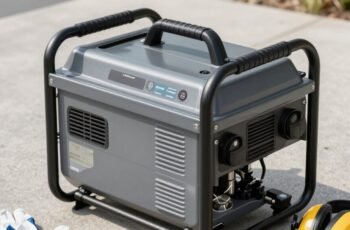
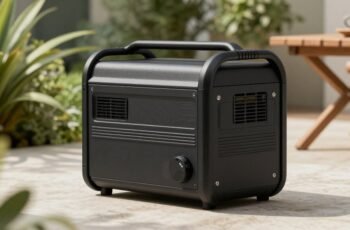
Imagine standing beside a portable generator, its exterior gleaming, ready for operation, yet beneath the surface, vital maintenance tasks await. Before making a purchase, it’s essential to understand what’s involved in keeping it reliable over time. From accessibility of components to maintenance schedules, each factor influences both longevity and ease of service. Ensuring these considerations are met can save you time and trouble later—so let’s explore what makes a generator truly manageable.
Key Takeaways
- Choose models with accessible components for easy maintenance and routine checks.
- Ensure the generator has clear labels, diagnostic indicators, and straightforward layout.
- Verify maintenance intervals and availability of replacement parts like filters and spark plugs.
- Opt for units with durable, corrosion-resistant materials for longevity and easier upkeep.
- Consider models with comprehensive user manuals and logs to facilitate proper maintenance scheduling.
What Maintenance Tasks Are Essential for Portable Generators?

Regular maintenance is critical to guarantee the reliable operation and longevity of portable generators. Key tasks include inspecting and replacing air filters to maximize airflow and combustion efficiency. Regularly checking oil levels and changing oil according to manufacturer specifications prevents engine wear and overheating. Spark plug inspection and replacement are essential for stable ignition and combustion performance. Fuel systems require cleaning and draining to prevent gum deposits and stale fuel buildup, which can cause starting issues. Additionally, inspecting cooling systems, such as radiators or vents, ensures proper heat dissipation. Tightening electrical connections and testing circuit breakers maintain safe operation. Performing these tasks systematically reduces the risk of breakdowns, enhances efficiency, and extends the operational lifespan of the generator.
How Often Should You Service Your Generator?
Most portable generators benefit from scheduled servicing based on usage and operational hours. Typically, manufacturers recommend inspecting and servicing the unit every 50 to 100 hours of operation or annually, whichever occurs first. Regular maintenance intervals depend on factors such as load, environment, and frequency of use. For instance, generators used continuously or in harsh conditions require more frequent checks. Critical tasks include oil changes, air filter inspections, and fuel system assessments. It’s essential to adhere to the manufacturer’s specific guidelines, as neglecting scheduled maintenance can lead to reduced efficiency, increased emissions, or system failure. Keeping a detailed log of usage and servicing intervals guarantees timely inspections, prolongs generator lifespan, and ensures reliable performance during emergencies or power outages.
Replacing Parts: What Components Need Regular Attention?
As part of ongoing maintenance, replacing worn or damaged components is vital to guarantee ideal generator performance and longevity. Key parts requiring regular attention include spark plugs, air filters, oil filters, and fuel filters. Spark plugs should be inspected and replaced based on manufacturer recommendations to ensure efficient ignition. Air filters must be cleaned or replaced regularly to prevent airflow restrictions that can impair engine performance. Oil filters require periodic change to maintain proper lubrication and prevent engine wear. Fuel filters should be checked for debris or clogs to guarantee consistent fuel flow, avoiding power interruptions. Additionally, corrosion-prone components like battery terminals and electrical connections should be cleaned or replaced to maintain peak electrical function. Routine replacement of these components minimizes breakdown risk and extends the generator’s service life.
Choosing a Model That’s Easy to Maintain
Choosing a model that’s easy to maintain requires careful consideration of design features and accessibility. Look for units with straightforward component layouts, minimizing the need for disassembly during routine checks. Features such as removable panels and accessible oil fill points reduce maintenance complexity and downtime. Prioritize models with clearly labeled parts and diagnostic indicators that simplify troubleshooting. Consider maintenance intervals specified by the manufacturer; models with longer intervals reduce frequent intervention. Additionally, select generators with durable construction and corrosion-resistant materials to minimize wear and corrosion, which complicate upkeep. Compact, lightweight designs also facilitate easier handling and servicing. Ultimately, a well-designed model streamlines routine tasks, ensures reliable operation, and reduces the risk of overlooked issues, making upkeep more manageable and cost-effective.
Tips for Staying on Top of Generator Maintenance During Use
To guarantee your generator remains reliable during operation, it’s essential to incorporate routine maintenance checks into your workflow. Regularly inspect fluid levels—oil, coolant, and fuel—to prevent overheating and engine wear. Monitor the oil’s color and viscosity; change it according to the manufacturer’s schedule. Keep air filters clean and replace them if they show signs of clogging or debris accumulation. Check for any fuel leaks or signs of corrosion, especially after extended use. Run the generator periodically even during idle periods to ensure all components remain functional. Maintain a log of inspections and maintenance tasks performed, enabling early detection of potential issues. Precise adherence to these steps minimizes downtime and prolongs the generator’s operational lifespan during active use.
Frequently Asked Questions
How Long Do Portable Generators Typically Last With Proper Maintenance?
Portable generators typically last between 10 to 15 years with proper maintenance, including regular oil changes, air filter replacements, and inspections, ensuring peak performance and longevity. Consistent upkeep is essential for maximizing their service life.
What Are Common Signs Indicating My Generator Needs Repairs?
We observe signs like difficulty starting, unusual noises, inconsistent power output, excessive exhaust smoke, and frequent shutdowns, indicating our generator requires repairs. Regularly inspecting these indicators helps maintain ideal performance and prevents costly breakdowns.
Are There Specific Storage Requirements for Maintenance During Off-Season?
Keep your generator in a dry, clean, and well-ventilated space during off-season storage. Drain fuel, disconnect batteries, and cover it properly to prevent rust and corrosion—an ounce of prevention is worth a pound of cure.
How Does Climate Affect Maintenance Needs for Portable Generators?
Climate markedly influences maintenance needs; in humid areas, we prioritize corrosion prevention and moisture control, while in cold regions, we focus on winterization, antifreeze use, and ensuring proper engine oil viscosity for ideal generator performance.
Can Regular Maintenance Improve a Generator’s Fuel Efficiency?
Yes, regular maintenance enhances a generator’s fuel efficiency by ensuring ideal engine performance, cleaning fuel systems, replacing filters, and checking spark plugs, which collectively reduce fuel consumption and prevent efficiency losses caused by neglect or wear.
Conclusion
In the end, staying on top of your portable generator’s maintenance is key to reliable performance. We believe that “an ounce of prevention is worth a pound of cure,” especially when it comes to power equipment. By choosing a model with accessible components and adhering to a strict maintenance schedule, you’ll guarantee longevity and efficiency. Proper care today prevents costly repairs tomorrow—so invest in maintenance now to keep your generator ready when you need it most.